Sarcopenia and Scoliosis: An Underdiagnosed Interaction in the Aging Population
Abstract
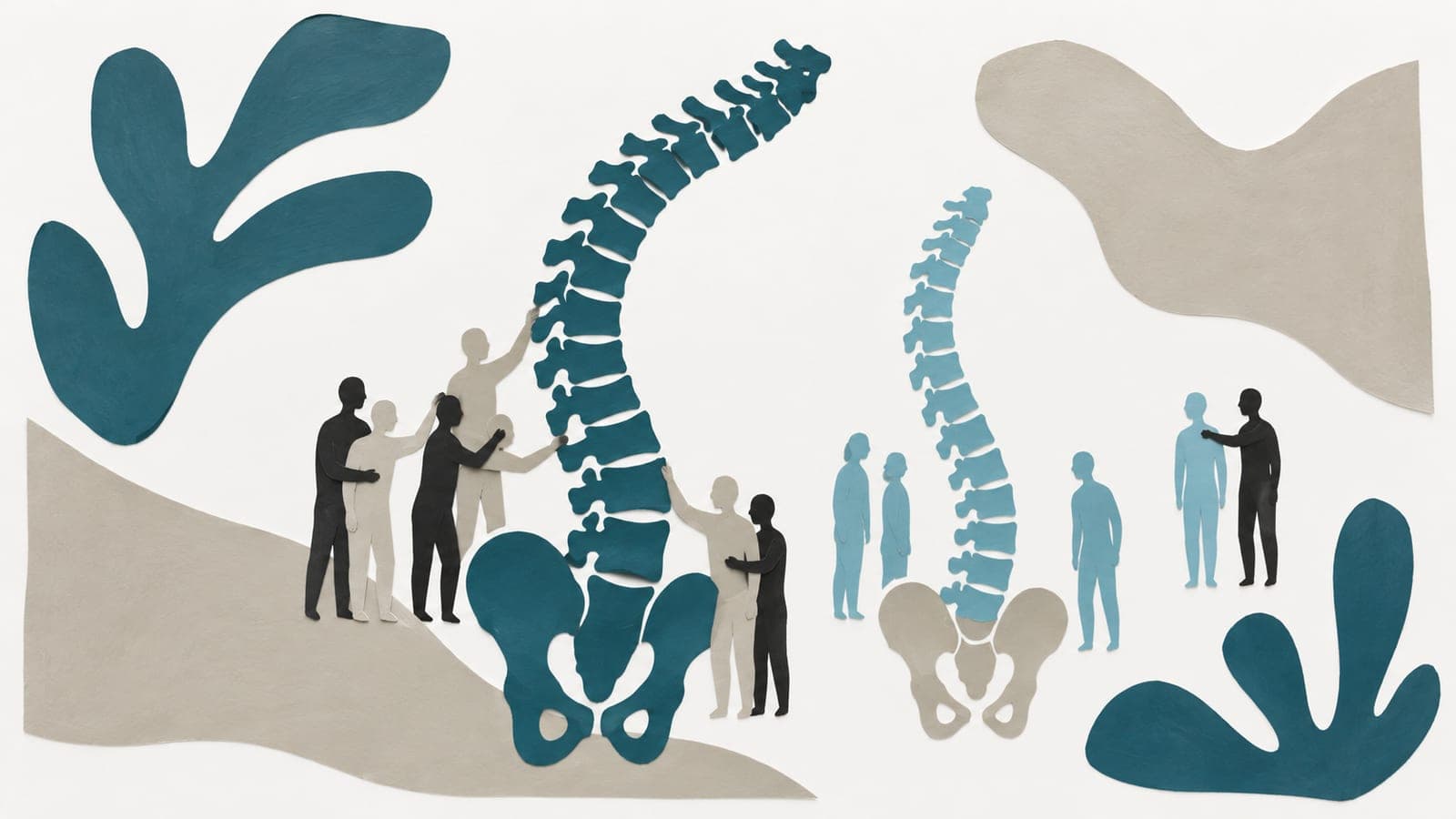
Sarcopenia, characterized by progressive loss of skeletal muscle mass, strength, and function, is a major contributor to disability, falls, and reduced quality of life in older adults. Degenerative scoliosis is also increasingly prevalent with aging and is associated with spinal instability, postural imbalance, and chronic pain. Despite their frequent coexistence, the interaction between sarcopenia and scoliosis remains poorly explored. Thus, this study aimed to highlight the bidirectional relationship between sarcopenia and scoliosis in older adults and to discuss its clinical and rehabilitative implications. A narrative synthesis of current literature was conducted, focusing on age-related changes in muscle composition, spinal alignment, trunk muscle function, and postural control. Emphasis was placed on studies examining muscle degeneration, spinal deformity progression, balance impairment, and functional outcomes. Emerging evidence suggests that older patients with degenerative lumbar scoliosis tend to have higher sarcopenia prevalence and lower skeletal muscle mass (appendicular/trunk) than controls or other spinal conditions. Sarcopenia may exacerbate spinal deformity by reducing trunk muscle strength and endurance, thereby compromising spinal stability and alignment. Conversely, scoliosis-related pain, asymmetry, and altered biomechanics may accelerate physical inactivity and muscle wasting, contributing to sarcopenia progression. The coexistence of both conditions appears to increase the risk of falls, mobility limitations, and functional dependence. Sarcopenia and scoliosis may form a vicious cycle that amplifies musculoskeletal decline in older adults. Integrated assessment strategies and targeted physiotherapy interventions addressing muscle strength, postural control, and spinal alignment are essential. Future research should focus on longitudinal designs and intervention studies to clarify causality and optimize rehabilitation strategies.
The paper
University of Patras; University of Thessaly
Studies in Health Technology and Informatics, 15 Jun 2026, Open access