Renal tubular epithelial-derived Angptl4 promotes renal fibrosis by inducing tubular cell senescence
Abstract
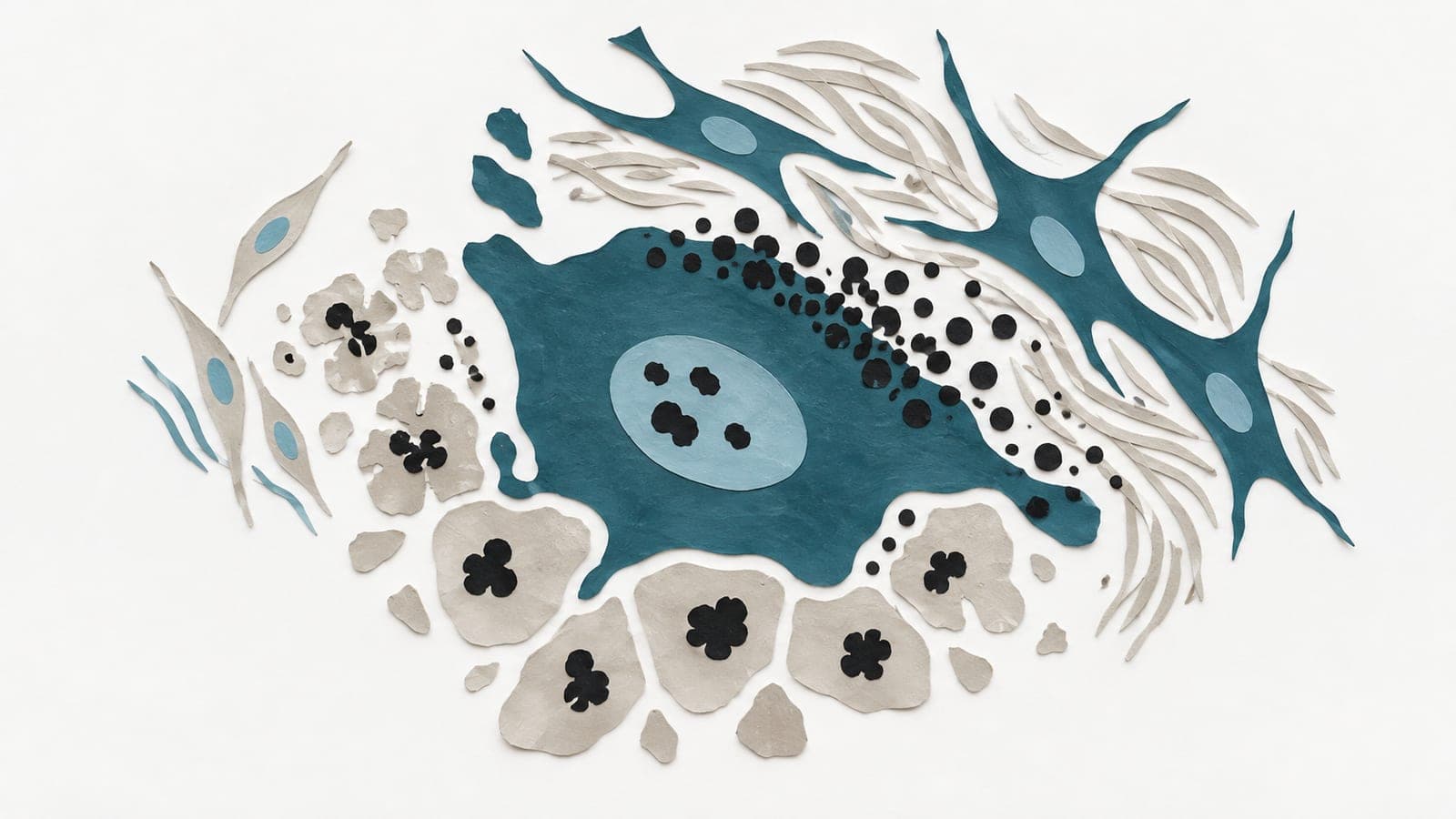
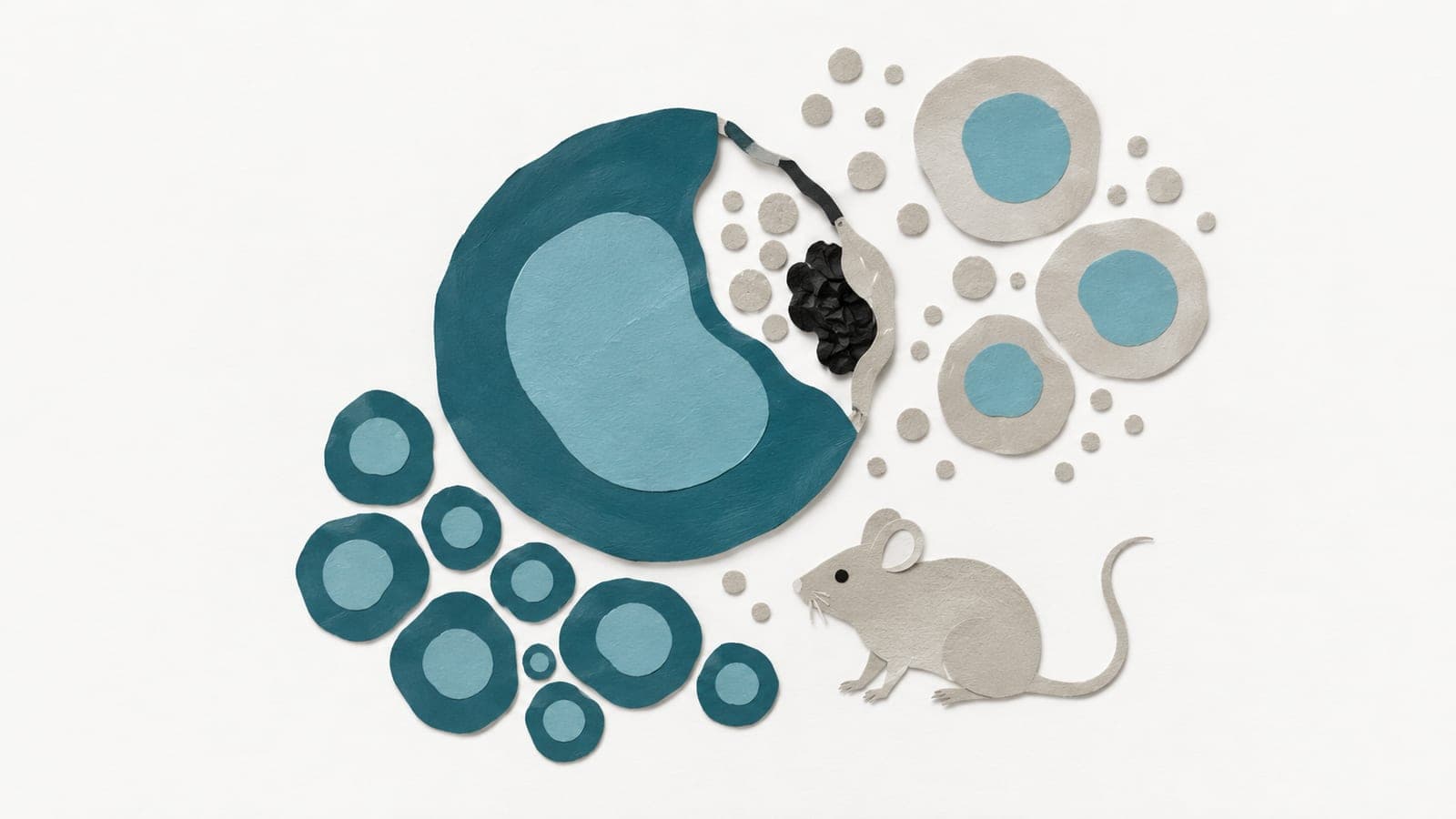
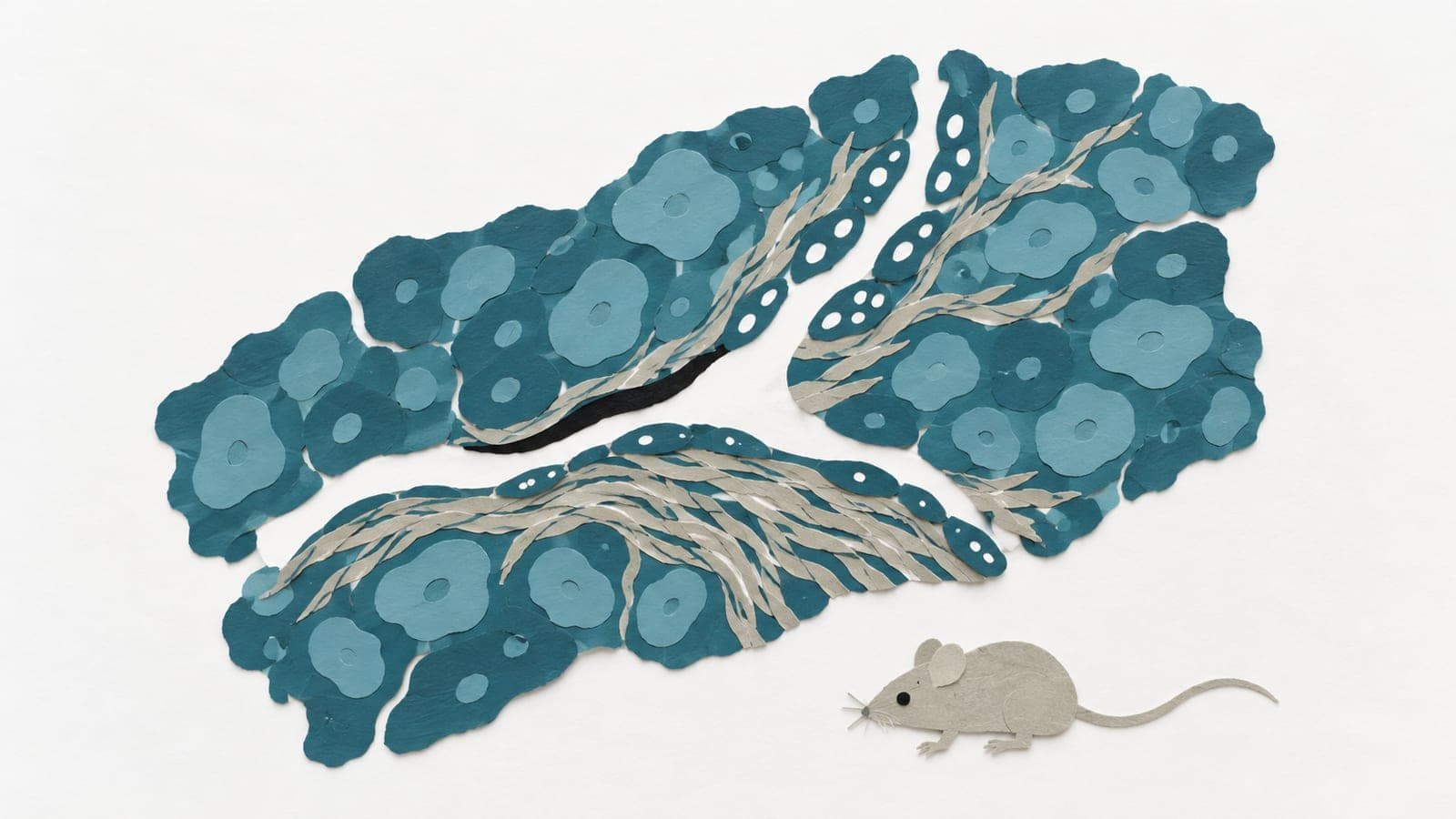
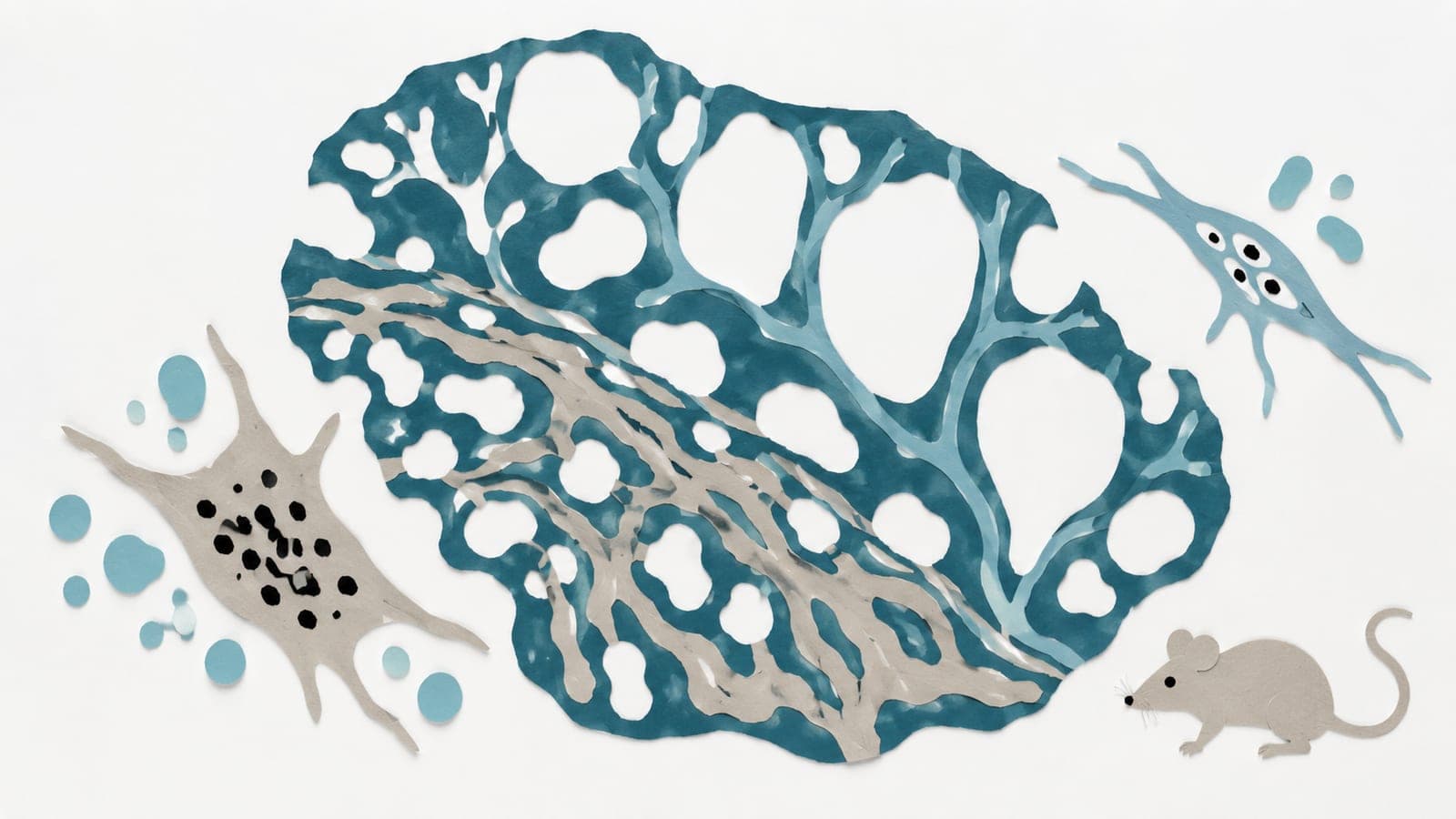
Chronic kidney disease (CKD) is a global public health issue affecting over 10% of the adult population. Irrespective of disease aetiology, kidney fibrosis is a common pathological progression of CKD, characterized by excessive extracellular matrix deposition within the kidney parenchyma. However, the pathogenesis of renal fibrosis remains poorly understood, and treatment options are limited. Here, we identify upregulated expression of Angptl4 in renal tubular epithelial cells (RTECs) of CKD patients, as well as in mice with renal fibrosis and aging mice. Genetic knockout of Angptl4 attenuates renal fibrosis and RTEC senescence, whereas overexpression of Angptl4 in RTECs exacerbates both renal fibrosis and RTEC senescence. Mechanistically, Angptl4 derived from RTECs binds to integrin β1 (Itgb1), thereby activating focal adhesion kinase (Ptk2/FAK) and promoting RTEC senescence. Additionally, fibroblasts are activated by the senescence-associated secretory phenotype from Angptl4 overexpressed RTECs to secrete extracellular matrix protein, causing renal fibrosis. Together, our study delineates the roles of RTEC-derived Angptl4 in renal fibrosis, proposing a novel therapeutic strategy for intervening in CKD and renal fibrosis.
The paper
Yangzhou University
Biochemical and Biophysical Research Communications, 11 Jun 2026