TMEM230 and mitochondrial regulation in Alzheimer's disease
Abstract
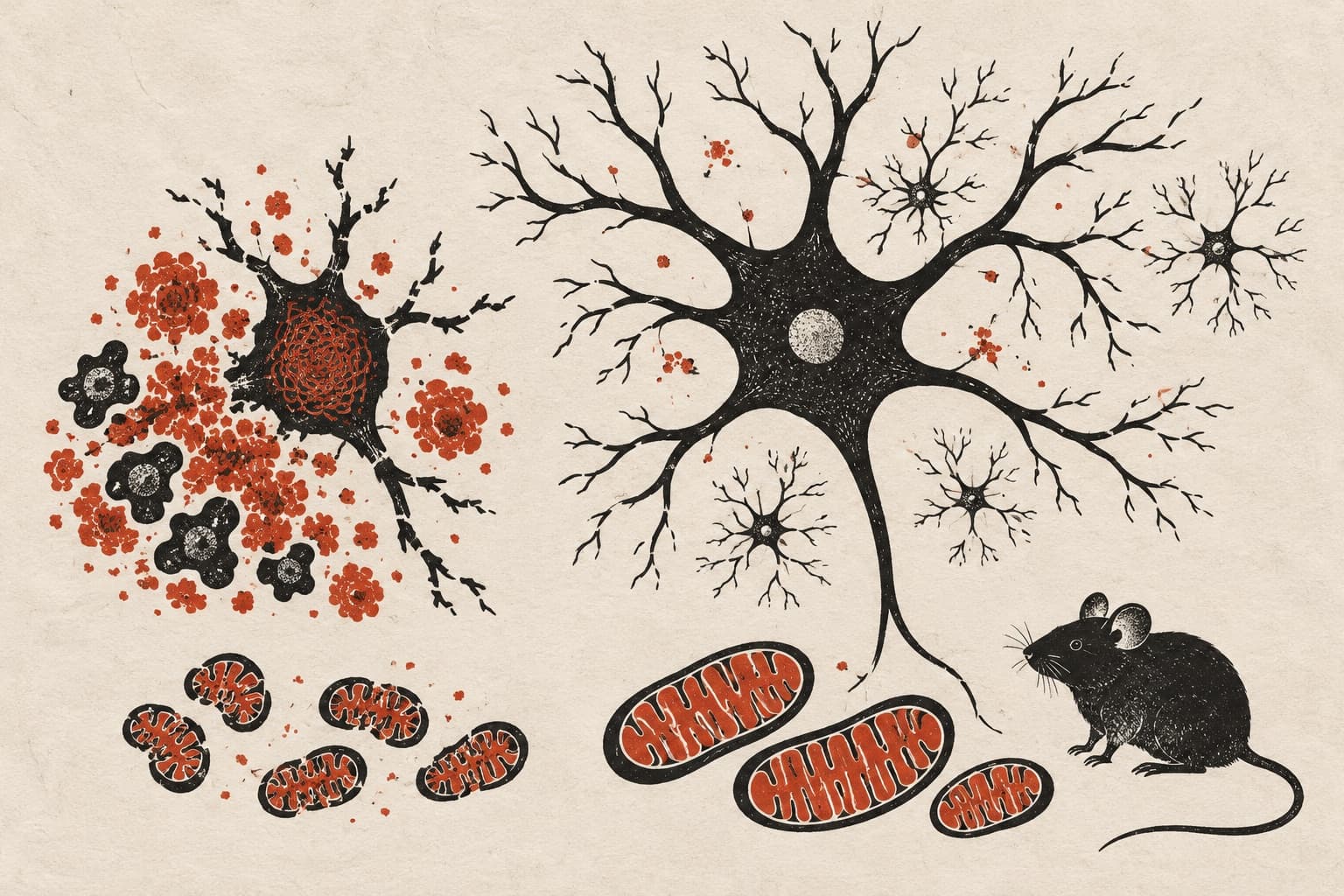
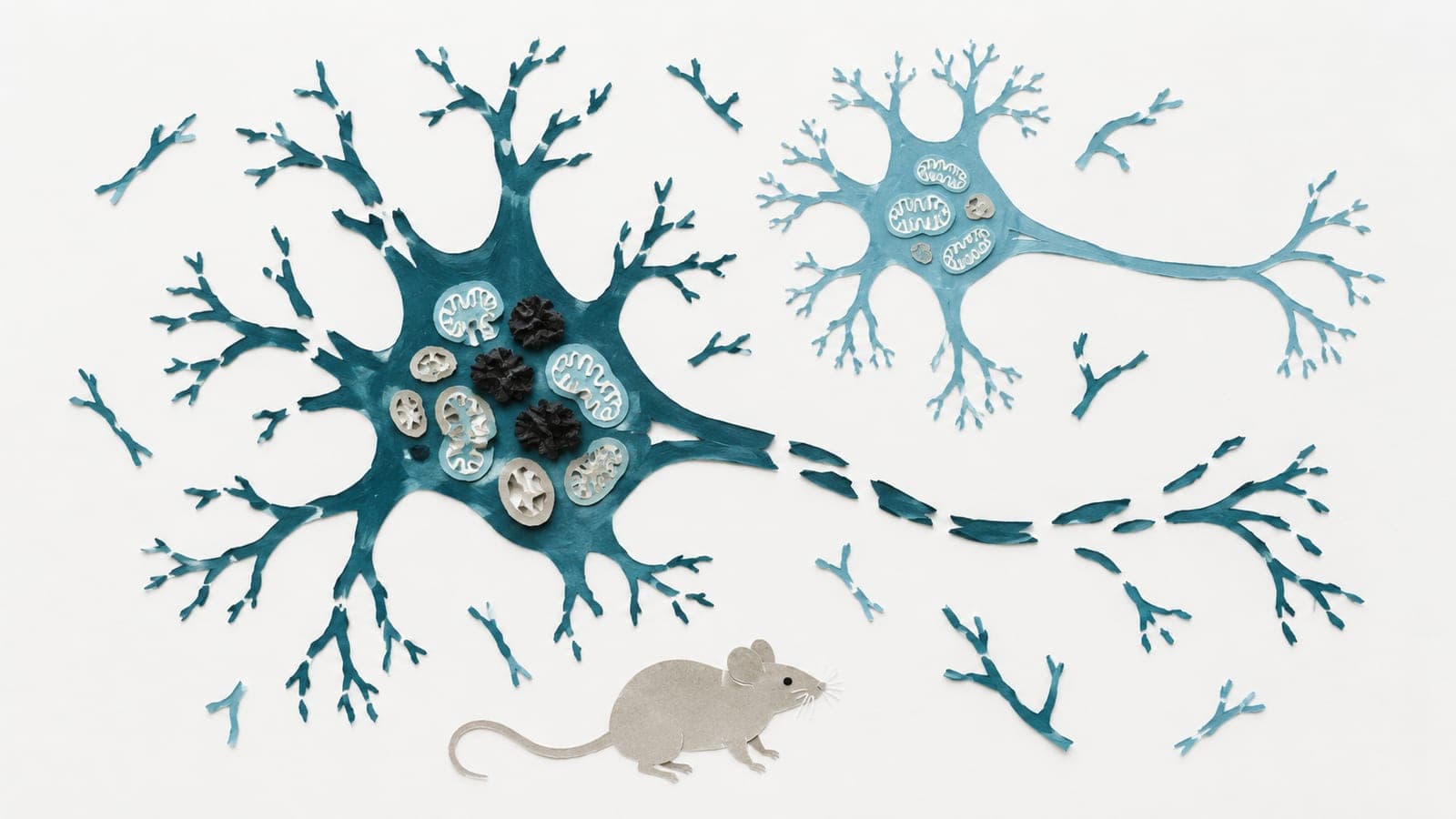
Aging is associated with an attrition of cell subcellular components of the endomembrane system due to long-term exposure to environmental stresses or physical/chemical insults. Tissue morphology physiology and function are strongly dependent on the linked dynamic activities of the endomembrane of organelles of the endomembrane system (ES). This is especially true for nervous tissue and the brain where ES components must interact over long (neurite) distances for proper synapse functions. As the endoplasmic reticulum (ER) is the primary organelle responsible for generating plasma membrane and subcellular membrane components, dysregulation of the ER has a significant role in nervous tissue physiology and diseases in which membrane function is critical, such as in age associated Alzheimer's Disease (AD). Understanding why the ER fails to respond effectively to stress may provide a promising platform for developing antiaging treatments. In this review we characterizegene pathways induced by the transmembrane (TMEM) protein, TMEM230 in the ER in Alzheimer's disease (AD). TMEM230 upregulates oxidative phosphorylation and mitochondria pathways associated cell metabolism. High levels of expression of TMEM230 associated with AD, due chronic inflammation drives hyperoxidation leading to aberrant structural changes in the tethering of the mitochondria and ER membrane and consequently, intra-organelle calcium balance. Sustained elevated levels of expression of TMEM230 leads to catastrophic oxidative stress and irreversible mitochondria damage as seen in some AD patients. Our studies support that Parkinson's Disease and Huntington's Disease may be similarly driven by chronic high levels TMEM230 which results in decoupling of ER-mitochondrial regulation.
The paper
Institute of Biomedical Technologies
International Review of Neurobiology, 15 Apr 2026