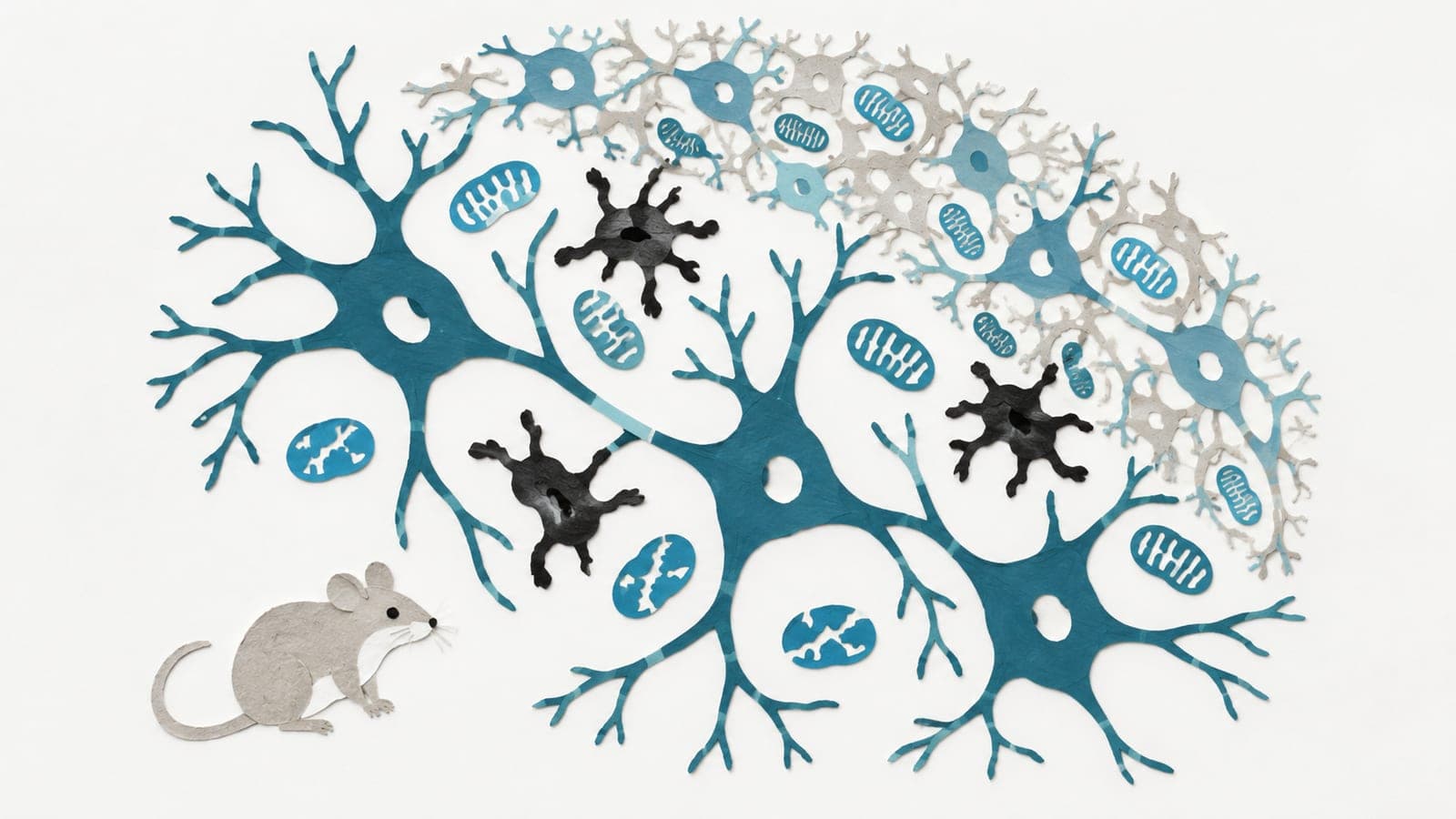
Mechanisms by Which Exercise Delays Brain Aging Through Regulation of the Mitochondrial Quality Control System
Abstract
Brain aging is a complex biological process characterised by progressive neuronal and synaptic decline, in which disruption of mitochondrial quality control plays a central role. This system encompasses multiple synergistic components, including mitochondrial biogenesis, dynamic equilibrium, autophagic clearance, and energy metabolism. Aging induces dysfunction across these processes, precipitating mitochondrial fragmentation, functional decline, and energy crises, ultimately driving cognitive deterioration. Exercise is a promising non-pharmacological intervention for preserving brain health during aging, and its benefits may be mediated, at least in part, through modulation of mitochondrial quality control. Specifically, exercise has been shown to activate key signaling pathways such as AMPK/SIRT1/PGC-1α, thereby promoting mitochondrial biogenesis and metabolic adaptation. It may also regulate mitochondrial dynamics and mitophagy via pathways including cAMP/PKA/Drp1 and AMPK/mTOR. In addition, emerging evidence indicates that exercise may influence brain mitochondrial function through activity-dependent regulation of mitochondrial gene expression and systemic signaling factors. Furthermore, this review discusses potential differences between exercise modalities and highlights future directions for personalised intervention strategies, providing a theoretical basis for the application of exercise in delaying brain aging and preventing neurodegenerative diseases.