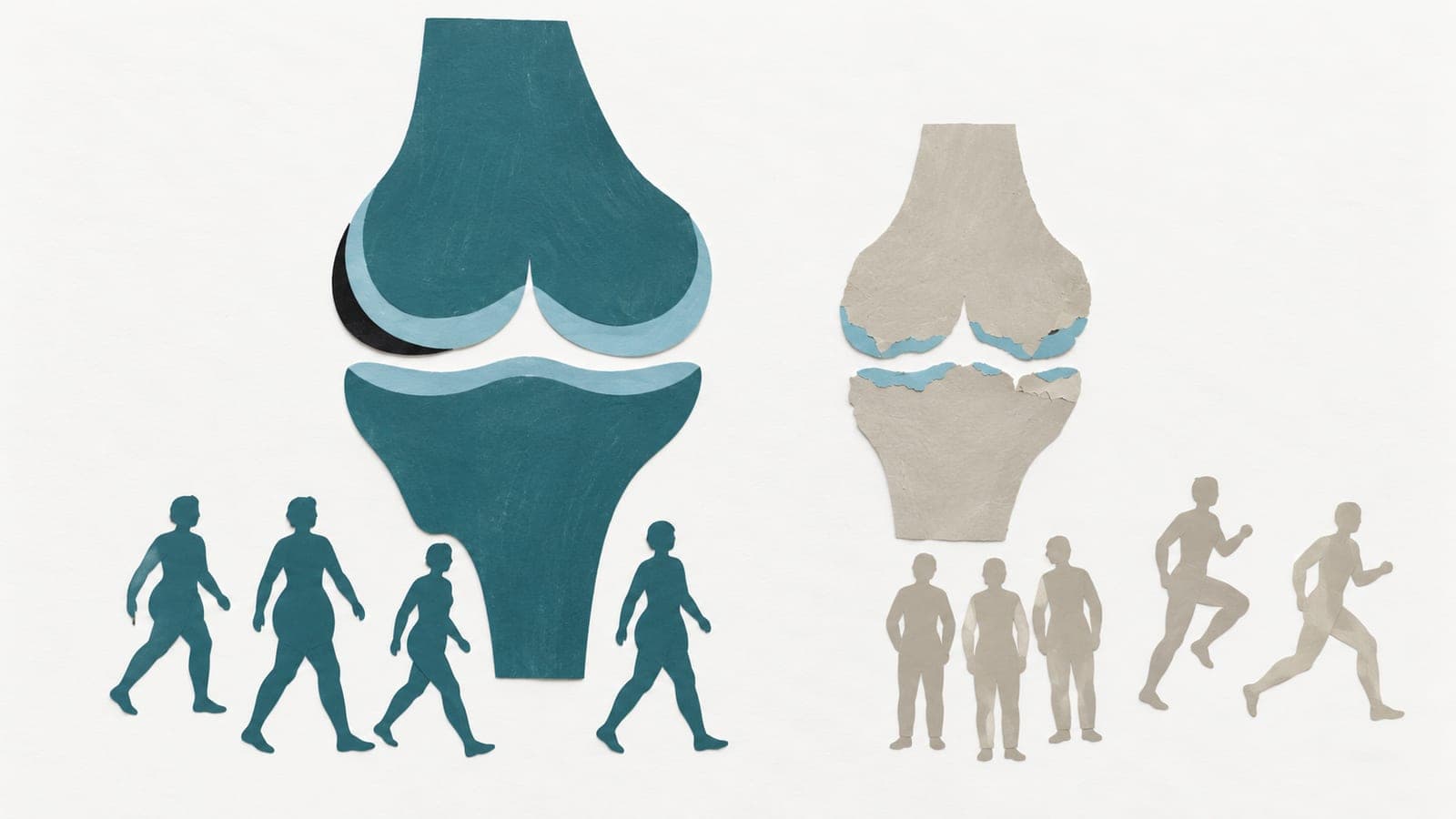
The impact of physical activity and psychosocial factors on osteoarthritis risk
Abstract
BACKGROUND: Osteoarthritis (OA) is a prevalent degenerative joint disease significantly impacting quality of life. Understanding the factors influencing OA risk is crucial for public health interventions. OBJECTIVE: This study aims to explore the relationships between physical activity levels, body mass index (BMI), and psychosocial factors regarding OA risk using data from the 2023 Behavioral Risk Factor Surveillance System (BRFSS). METHODS: A cross-sectional analysis was conducted with 19,311 participants, including 3500 individuals diagnosed with OA. Logistic regression models were employed to determine the associations between physical activity, BMI, and psychosocial factors with OA risk. RESULTS: Participants who engaged in moderate to vigorous physical activity had 30% lower odds of developing OA compared to those with low activity levels (adjusted odds ratio [AOR]: 0.70, 95% confidence interval [CI]: 0.62-0.80). Additionally, a one-unit increase in BMI was associated with a 15% increase in the odds of OA (AOR: 1.15, 95% CI: 1.10-1.20). Furthermore, high perceived social support correlated with a 20% reduction in OA symptoms (β: -0.20, p < 0.01). CONCLUSION: The findings highlight the importance of physical activity and healthy BMI in reducing OA risk. Public health initiatives should integrate exercise promotion, weight management, and psychosocial support to mitigate the impact of osteoarthritis on individuals.
The paper
Fujian Medical University
Experimental Gerontology, 10 Jun 2026, Open access