Inhibiting glycan degradation prevents HIV-induced inflammaging and cognitive impairment
Abstract
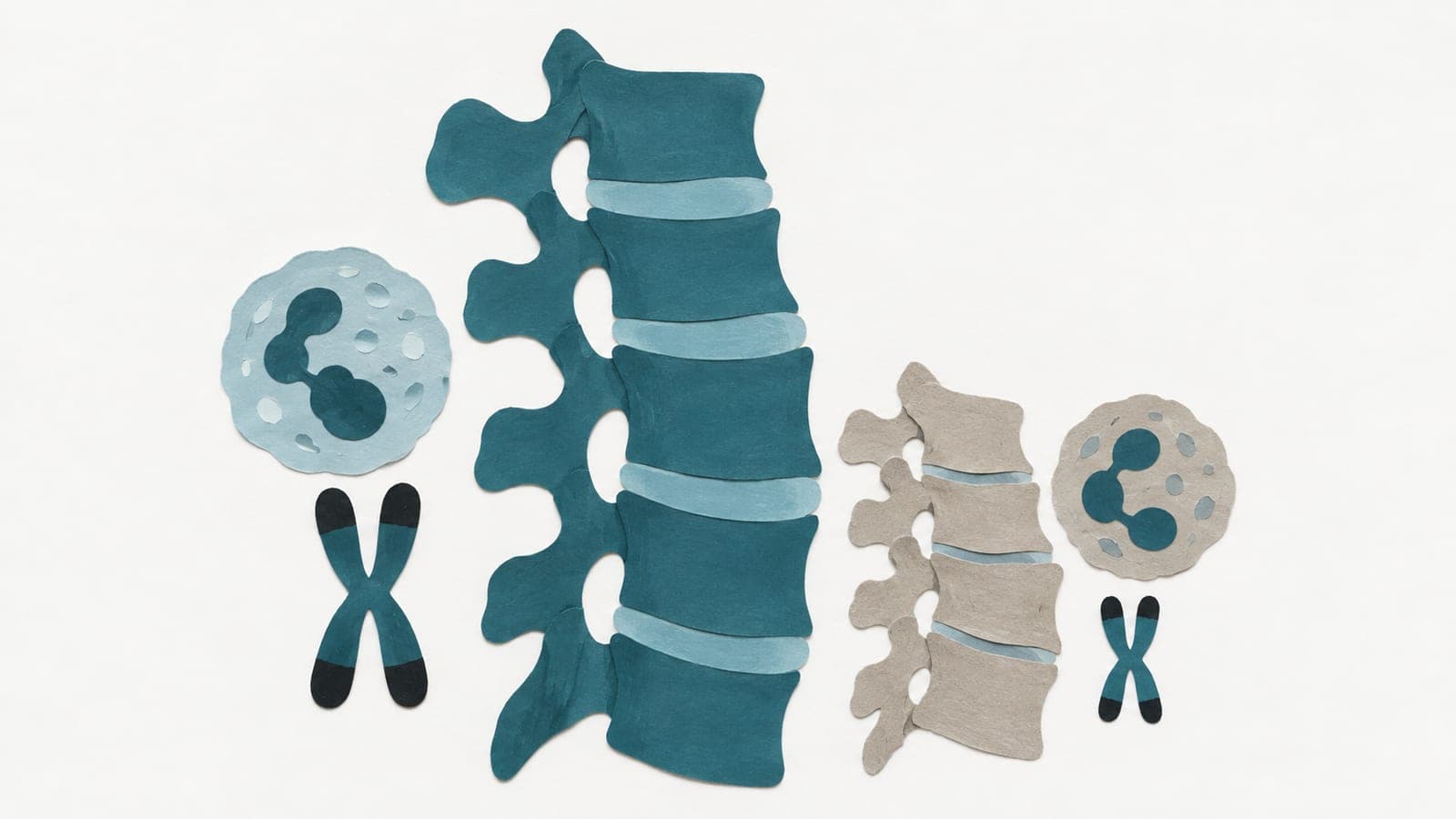
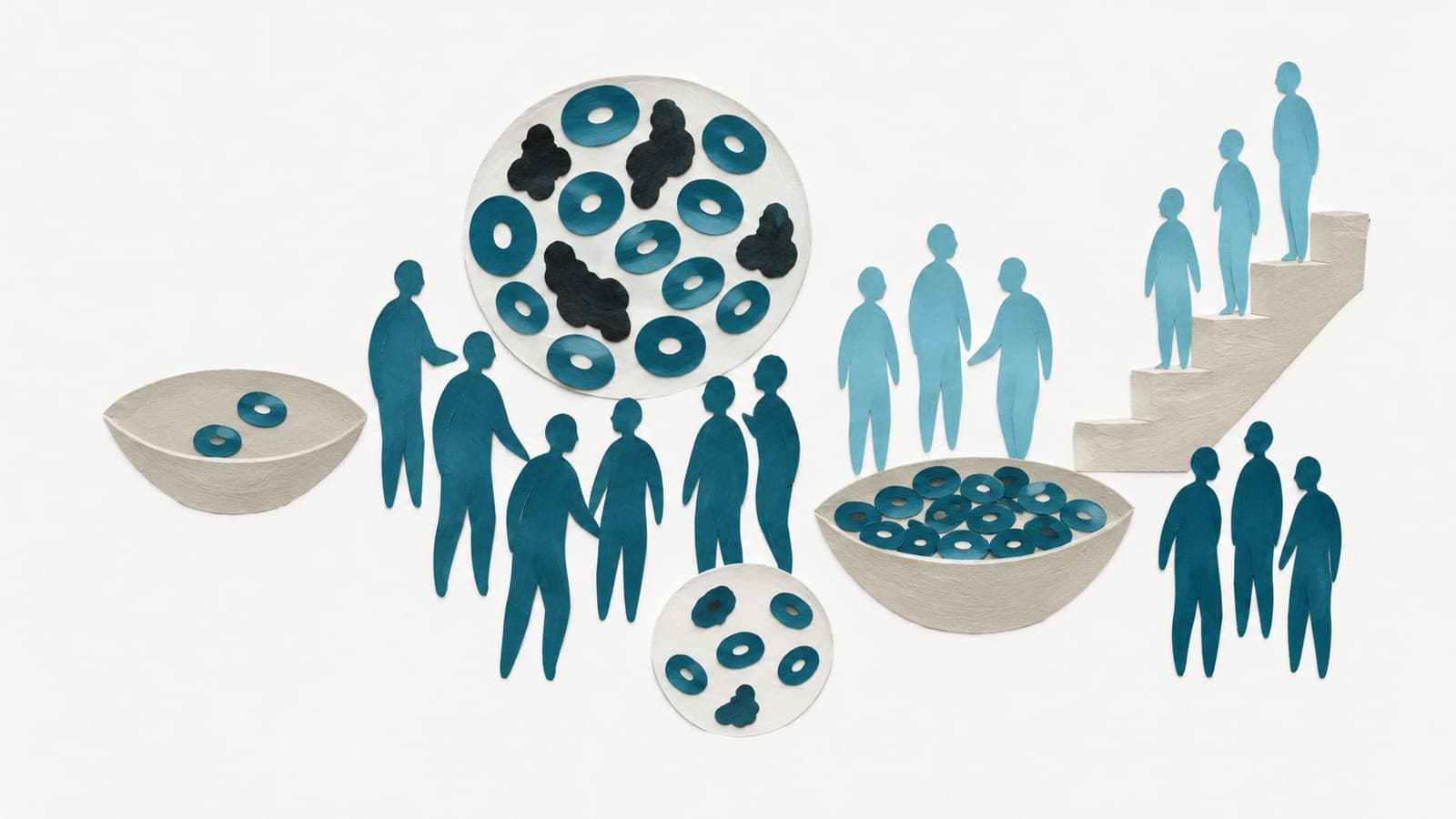
BACKGROUND: Cognitive impairment is a frequent outcome of chronic viral infections linked to premature aging, including HIV. The mechanisms underlying this decline remain poorly understood. Here, we identify pro-inflammatory glycan degradation, characterized by loss of sialic acid and galactose, both hallmarks of premature aging, as a key contributor to HIV-associated cognitive impairment (HIV-CI). METHODS: We analyzed two cohorts of people with HIV, with and without HIV-CI, and tested causality through intervention studies in two complemetary mouse models of virally mediated inflammation and cognitive deceline. FINDINGS: Degradative glycomic changes were enriched in people with HIV with cognitive impairment, particularly females, and correlated with worse cognitive performance. In both a humanized mouse model of HIV and EcoHIV model, a complementary model that enables cognitive testing, pharmacological inhibition of glycan degradation with sialidase inhibitors prevented virally induced inflammation, immune activation, accelerated aging, and memory deficits. CONCLUSIONS: These findings implicate glycan degradation as a contributor to inflammation and cognitive impairment in HIV and highlight glycan preservation as a promising strategy to mitigate inflammation, premature aging, and cognitive decline during viral infections. FUNDING: This study was funded by the National Institutes of Health (NIH).
The paper
Northwestern University
Med, 5 Jun 2026, Open access