Transient perinuclear actin rings prevent cell aging and apoptosis via nuclear mechanical protection
Abstract
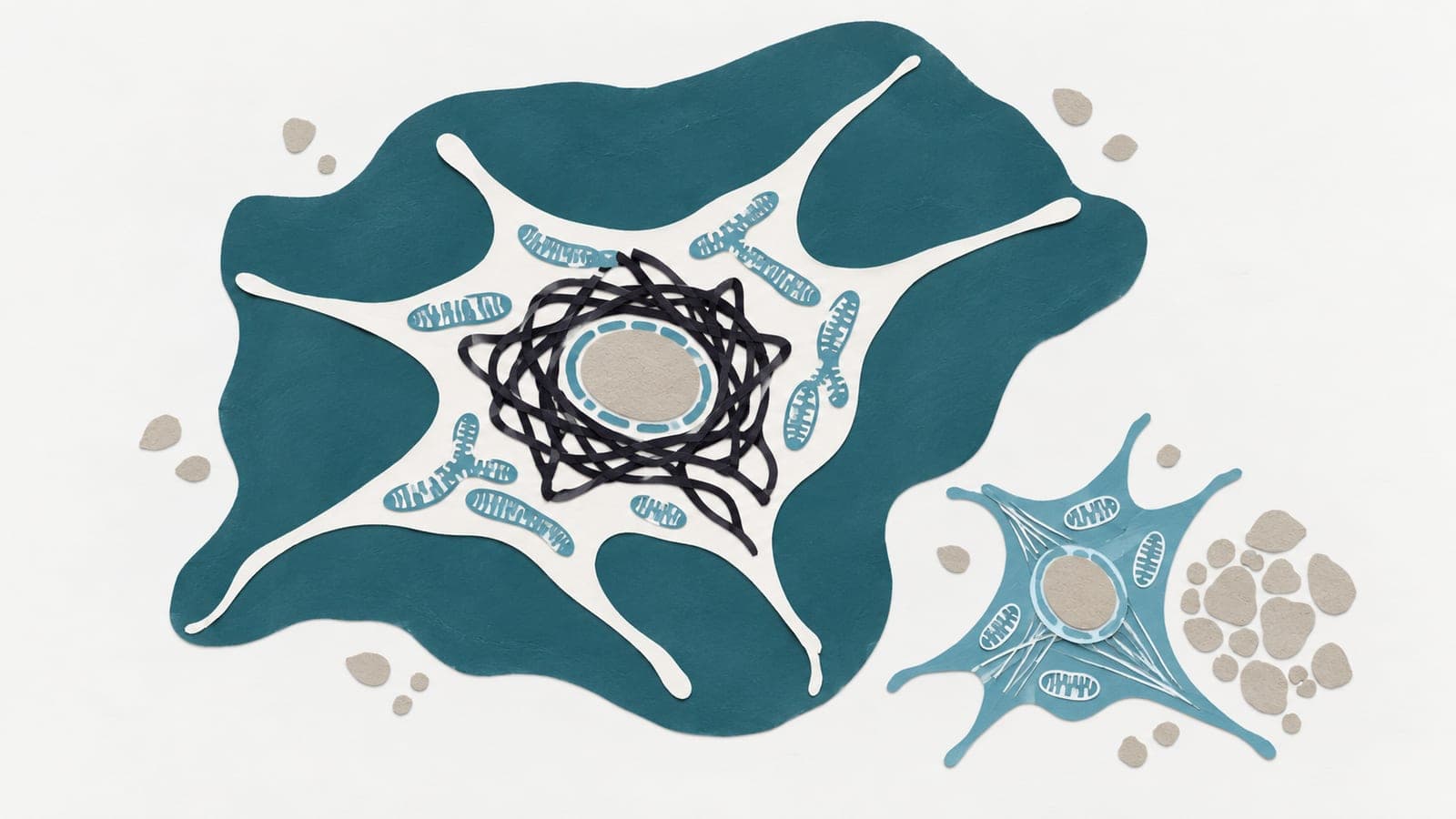
Epithelial tissues in vivo are often subjected to the challenge of mechanical forces and osmotic shock. However, how epithelial cells prevent DNA damage and reduce aging and apoptosis in the presence of these intense external stimuli remains unclear. Here, we found a reversible perinuclear actin ring can be assembled after rapid and significant hypotonic shock or mechanical forces. Combining experiments and simulations, we demonstrate it is merely a transient response of actin network that is regulated by Ca²⁺-mediated actin disassembly and Arp2/3-dependent actin polymerization. The mechanical confinement from this structure can result in transient nuclear stiffening and Lamin A/C enrichment at nuclear envelope, reduce the excessive increase of nuclear envelope tension, avoid DNA damage, and ultimately prevent aging and apoptosis. Thus, our findings revealed a new mechanobiological mechanism that the perinuclear actin ring can protect cells against abrupt external stimuli, and it could be a potential target for aging therapy.
The paper
University of Science and Technology of China
Biophysical Journal, 3 Jun 2026