Intracellular mitochondrial-subcellular communication: A regulator of myocardial energy metabolic homeostasis in heart failure
Abstract
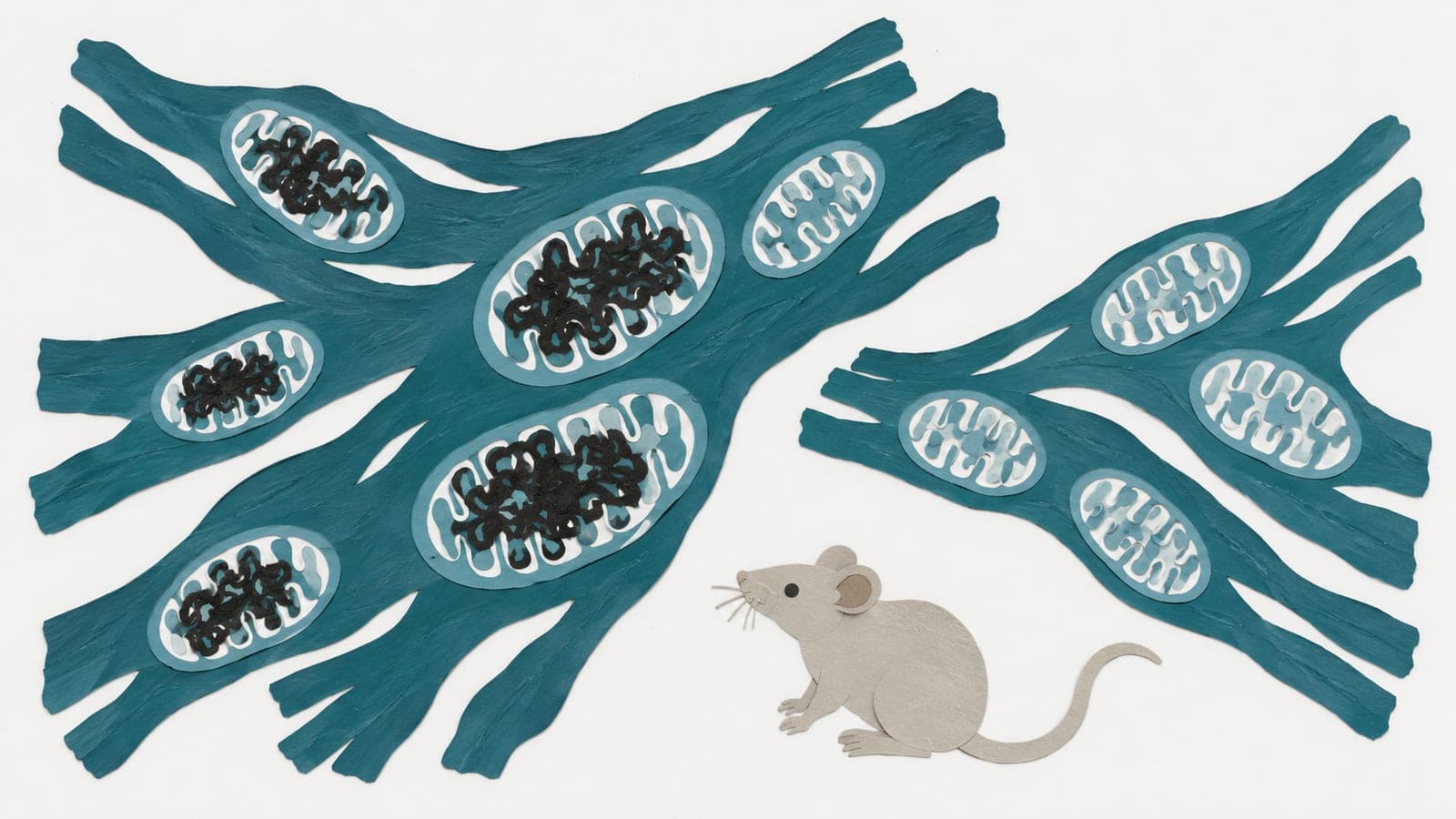
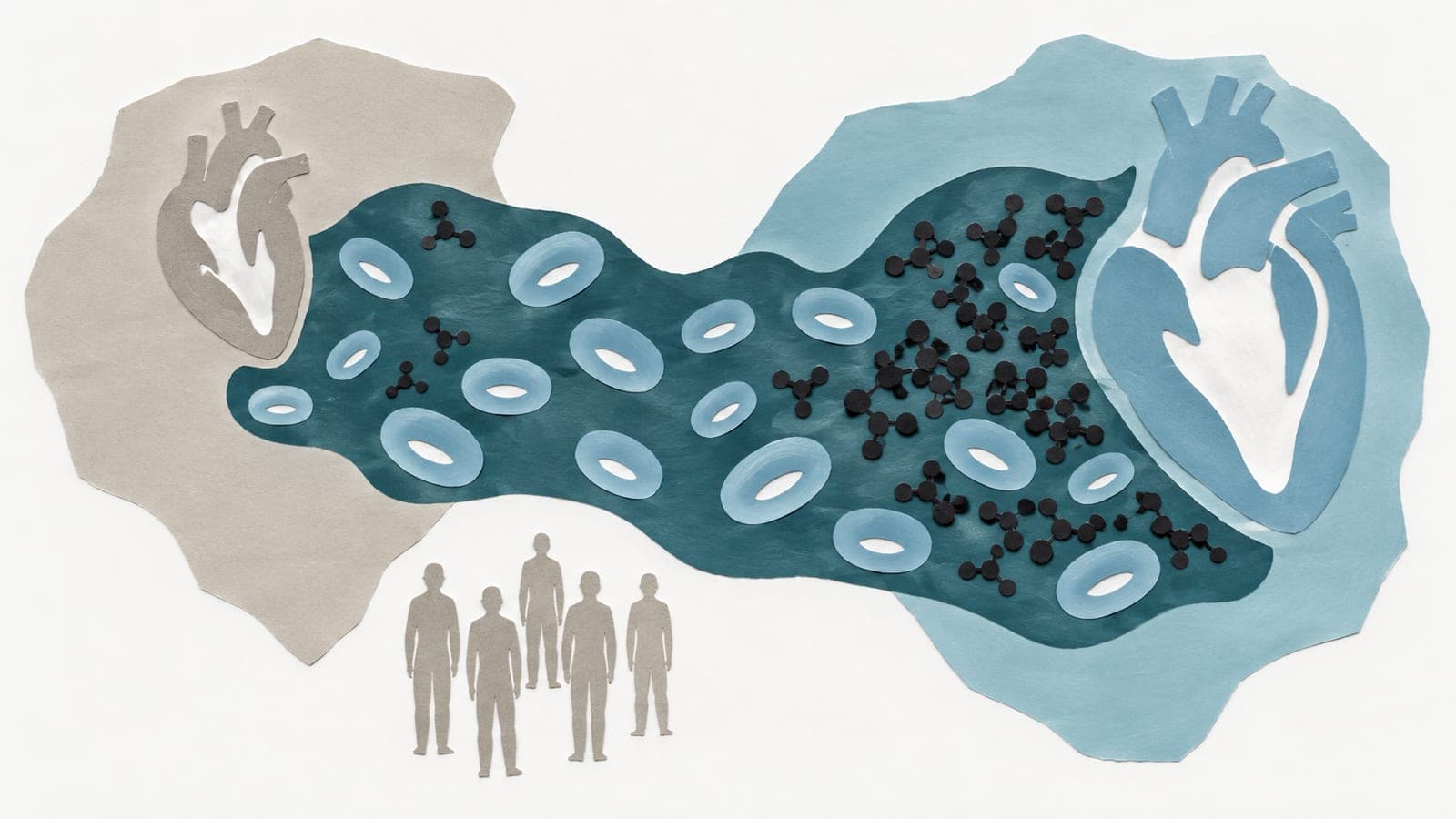
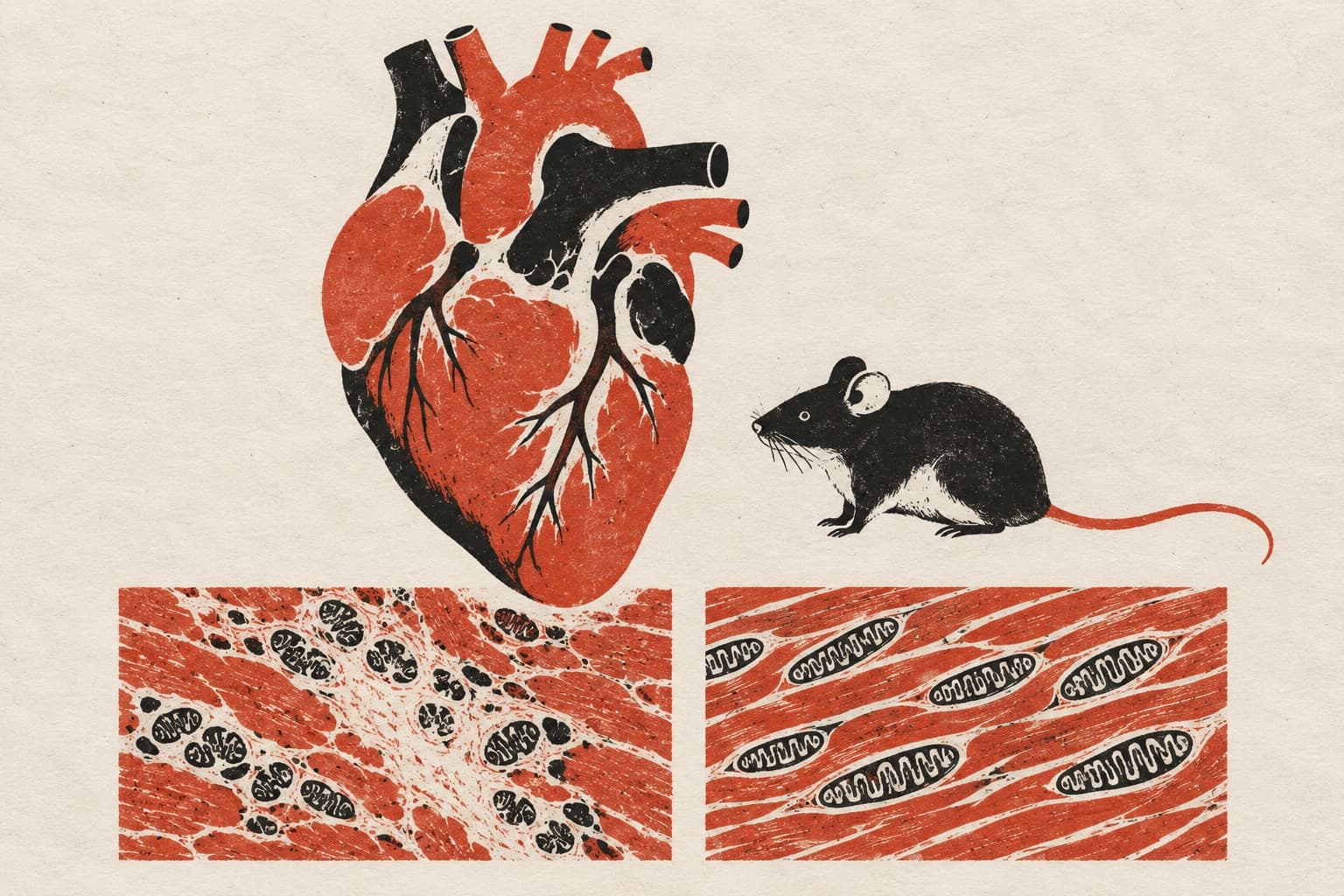
Heart failure (HF) is characterized by a severe disruption of myocardial energy metabolism, with mitochondrial dysfunction standing as a central pathological feature. However, the upstream regulatory mechanisms that drive metabolic remodeling, particularly across distinct HF phenotypes, remain inadequately defined. Mounting evidence reveals that, beyond their metabolic role, mitochondria act as central signaling hubs. This review proposes that dysfunctional mitochondrial-organelle crosstalk is a critical upstream initiator of the metabolic dyshomeostasis observed in HF. We analyze how such inter-organelle crosstalk regulates cardiac metabolism in health and deteriorates with aging and disease. A key focus is elucidating the phenotype-specific metabolic reprogramming in HF with reduced and preserved ejection fraction, tracing their differential traits to distinct alterations in inter-organelle signaling. We further dissect this self-perpetuating vicious cycle: communication defects trigger metabolic dysfunction, which in turn erodes inter-organelle communication, thereby accelerating disease progression. We evaluate technologies and propose that restoring the mitochondrial-subcellular interface offers a novel therapeutic strategy to correct the core metabolic disturbance in HF.
The paper
Tianjin University of Traditional Chinese Medicine
Ageing Research Reviews, 1 Jun 2026