Exercise program improves grip strength in care homes
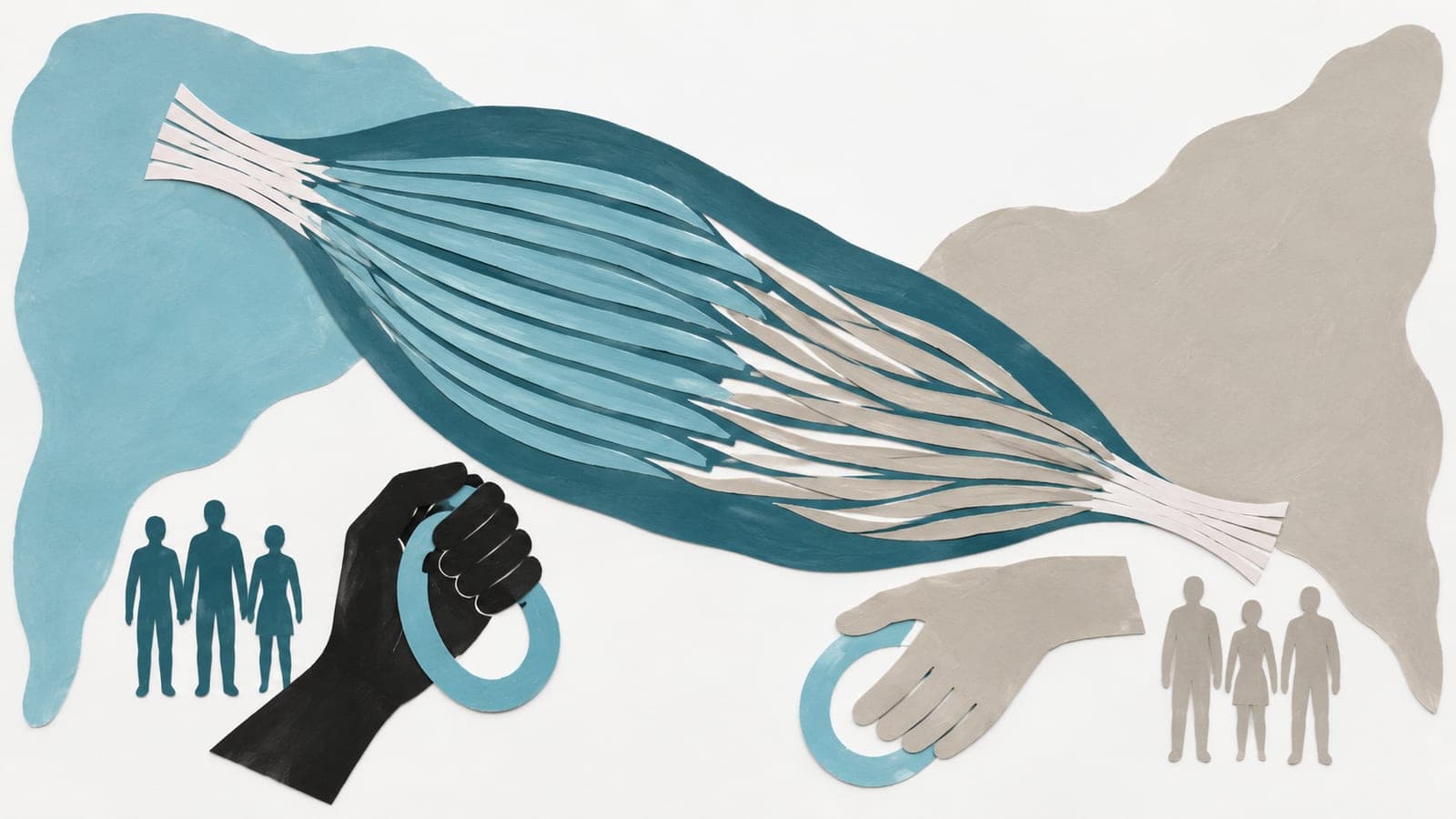
Handgrip strength rose by an estimated 2.49 kilograms over controls at 12 weeks and 2.14 kilograms at 18 weeks after a six-week exercise program.
Registered CTRI-2022-10-046680
Limit: Baseline differences in age, education, and activity levels between groups may confound results
Edited by Boris Djordjevic · AgingResearch.News
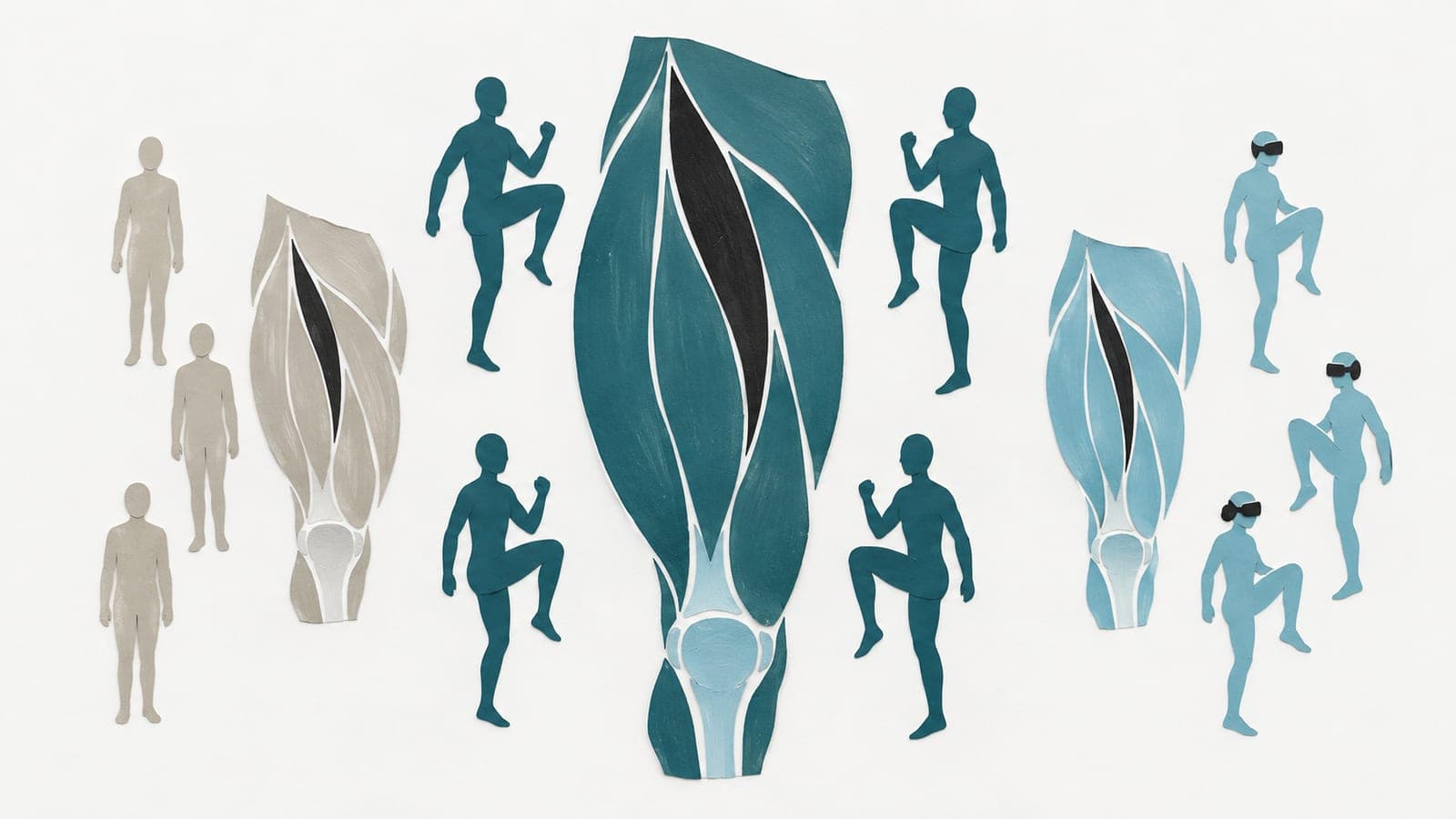
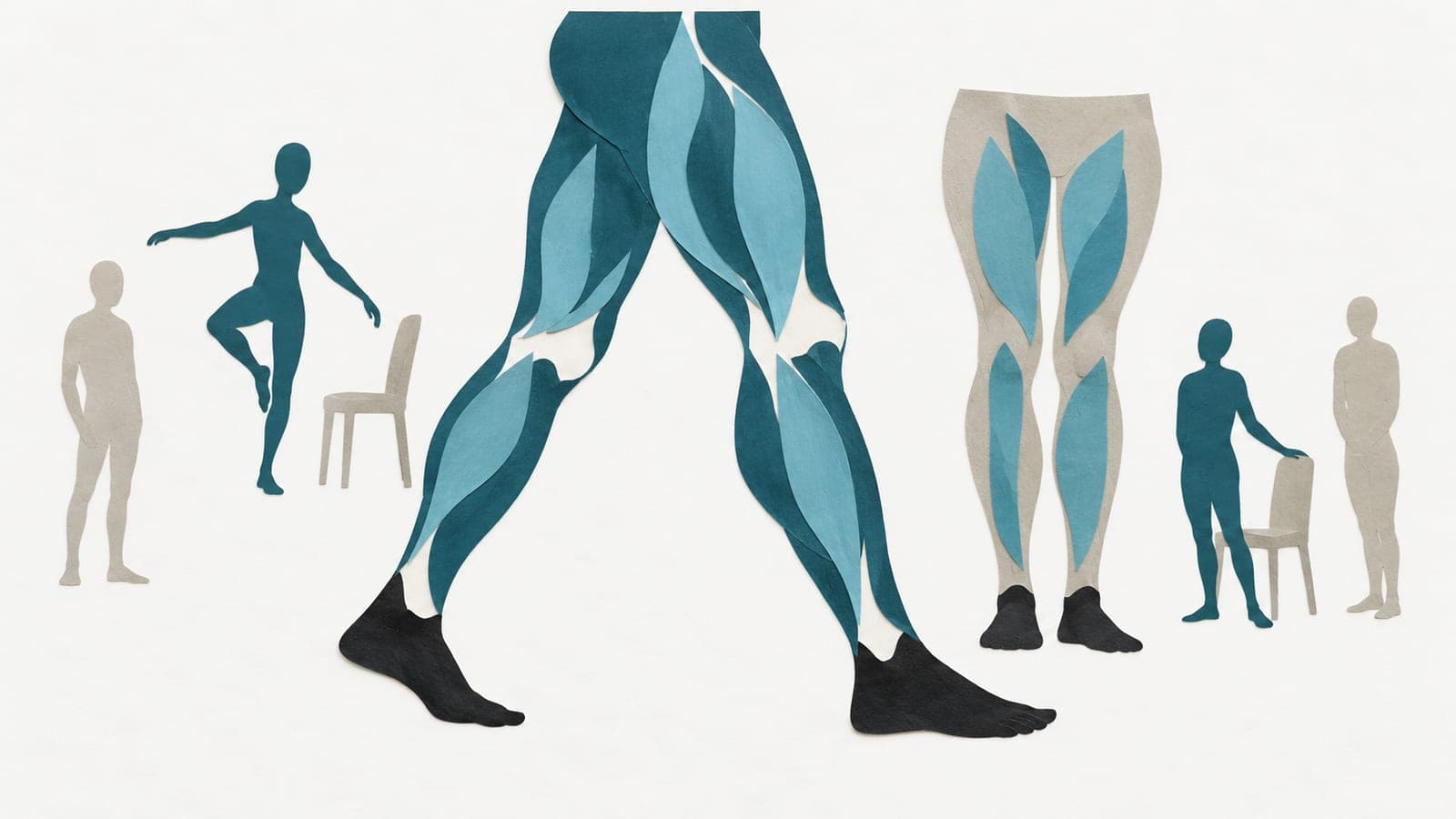
The cluster-randomized trial enrolled 78 adults aged 60 and older with sarcopenia, an age-related loss of muscle mass and function, in seven long-term care facilities in India. Thirty-nine received ReStart-S: supervised resistance, aerobic, balance and stretching exercises twice weekly for six weeks, with sessions lasting 60 to 90 minutes. Another 39 continued usual activities.
Handgrip strength, the primary outcome, did not differ significantly between groups at six weeks. The exercise group showed greater gains than controls at 12 weeks, with an estimated difference of 2.49 kilograms, and at 18 weeks, with 2.14 kilograms. Physical performance and quality-of-life scores improved compared with controls at all follow-ups. A muscle mass index increased and levels of a substance measured in blood fell compared with controls at 18 weeks. One participant reported knee pain during the intervention.
Why it matters
Sarcopenia is common among older residents in long-term care, yet existing guidelines often overlook this population. The findings support a role for ReStart-S in sarcopenia care in these settings.
Caveats
Neither participants nor the physiotherapist delivering the exercise could be blinded, and the control group was older on average than the exercise group. The study excluded residents who were confined to bed, relied on a wheelchair or had pacemakers, so the findings may not apply to them.
From the paper
- Participants
A total of seventy-eight (n = 78) sarcopenic older adults were found eligible.
- Duration
The frequency was twice per week for a total duration of six weeks.
- Primary outcome
At 12 weeks, the IG showed a significantly greater increase in HGS compared to the CG (estimate = 2.49; 95% CI, 1.16 to 3.82, p <.001), and this effect persisted at 18 weeks (estimate = 2.14; 95% CI, 0.79 to 3.48), p =.002).
- Short Physical Performance Battery
At six weeks, the change in SPPB from baseline was significant for the IG compared to the CG, with an estimate of 2.40 (95% CI, 1.70 to 3.14, p <.001).
- SarQoL
The greatest change from baseline between IG and CG, with an estimate of 7.25 (95% CI, 5.80 to 8.73, p <.001), was found at 6 weeks.
- Skeletal muscle index
However, at 18 weeks, the IG had significantly greater SMI compared to the CG (estimate = 0.200; 95% CI, 0.05 to 0.35, p =.011).
- C-terminal agrin fragment
Further, the interaction was found significant at week 18 (estimate = −61.77; 95% CI, −91.5 to −32.01, p <.001), meaning that at week 18, CAF levels in the IG had dropped much more compared to the CG.
Quoted word for word from the full text on PubMed Central.
- Reablement strategies targeting sarcopenia
- Handgrip strength
- Sarcopenia
- Barthel index
- C-terminal agrin fragment
- Humans
The paper
Manipal Academy of Higher Education
The Journals of Gerontology, Series A, May 31, 2026, Open access