Mitochondria-lysosome coupling contributes to lysosome acidification and aging
Abstract
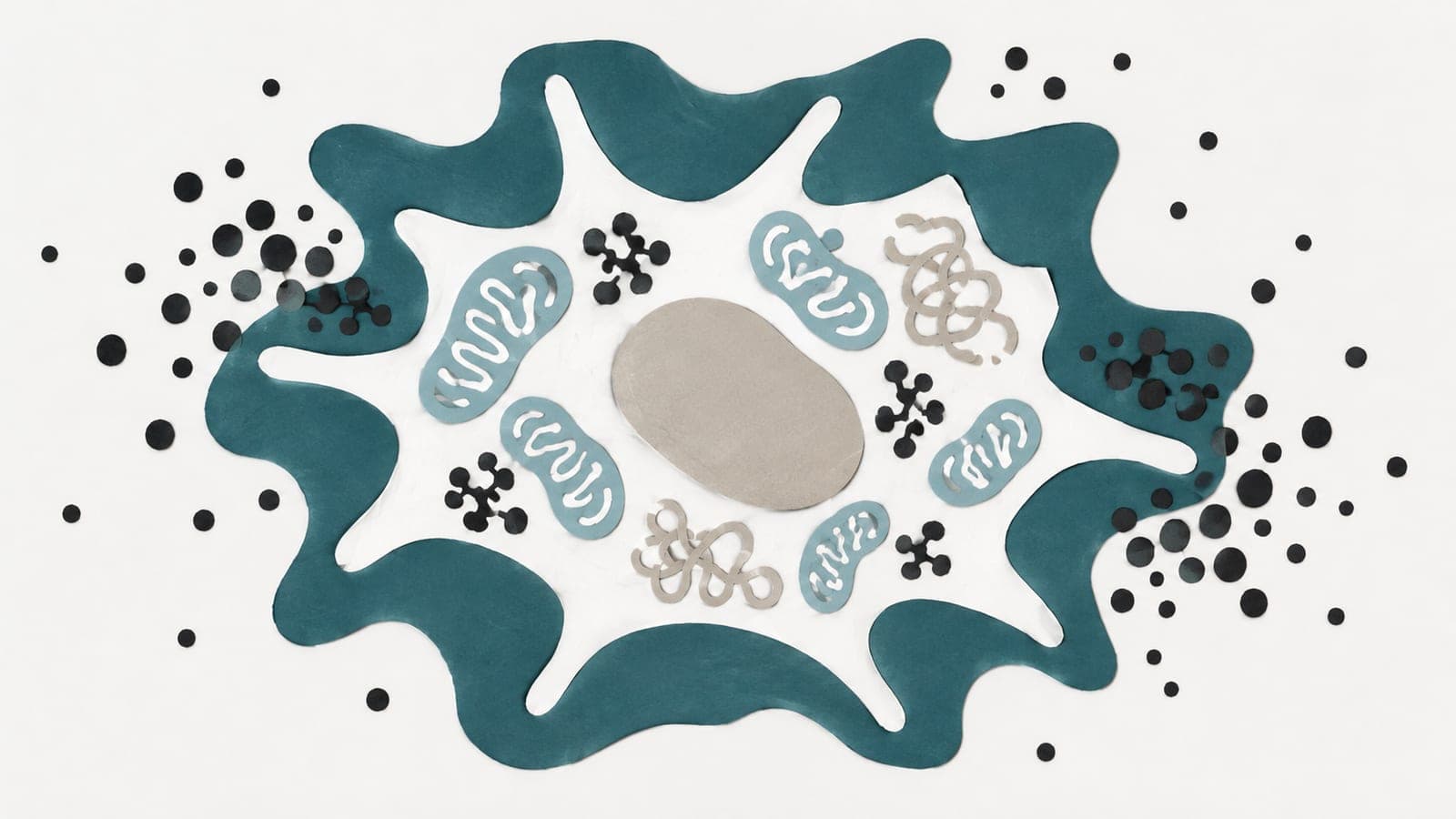
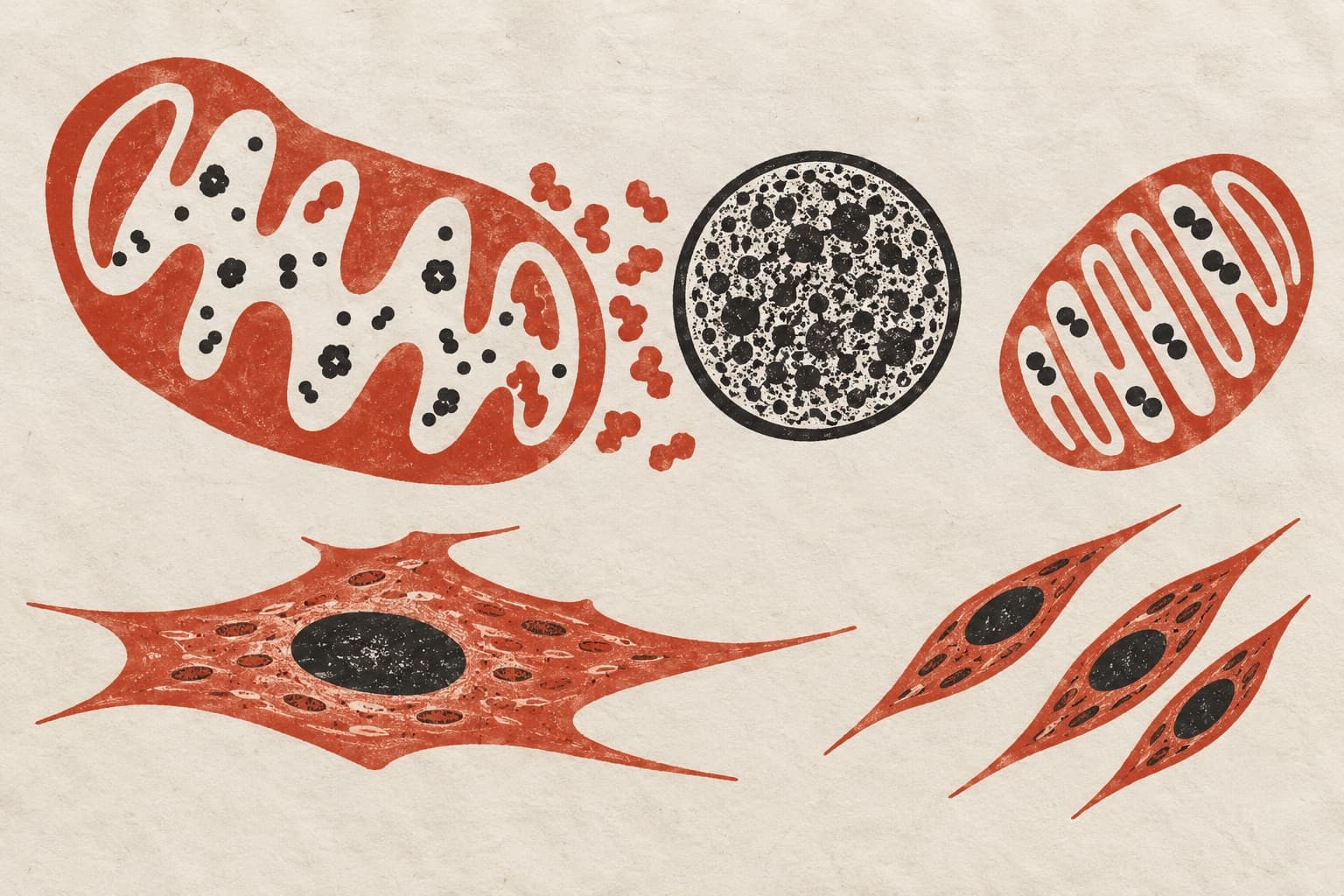
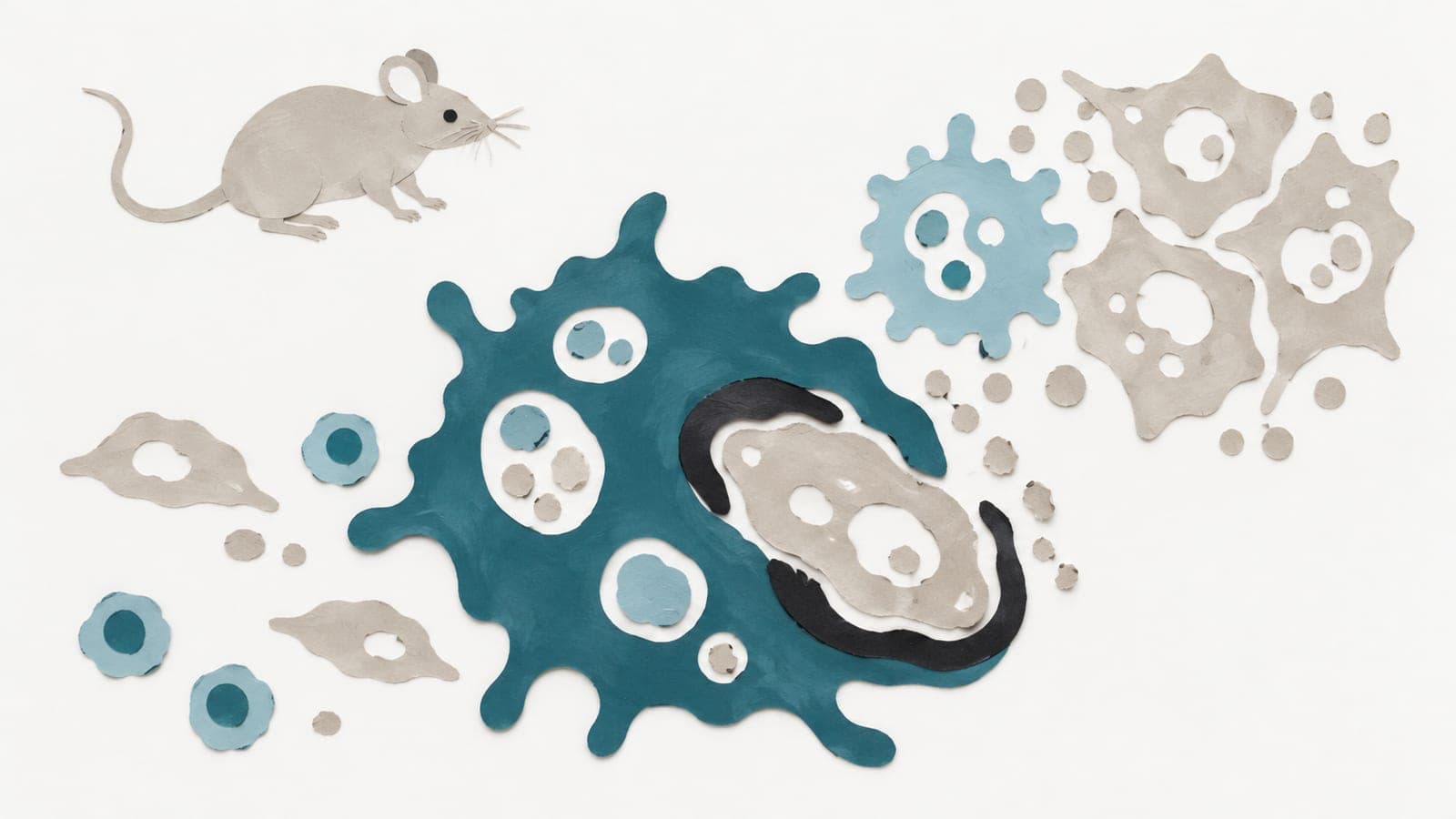
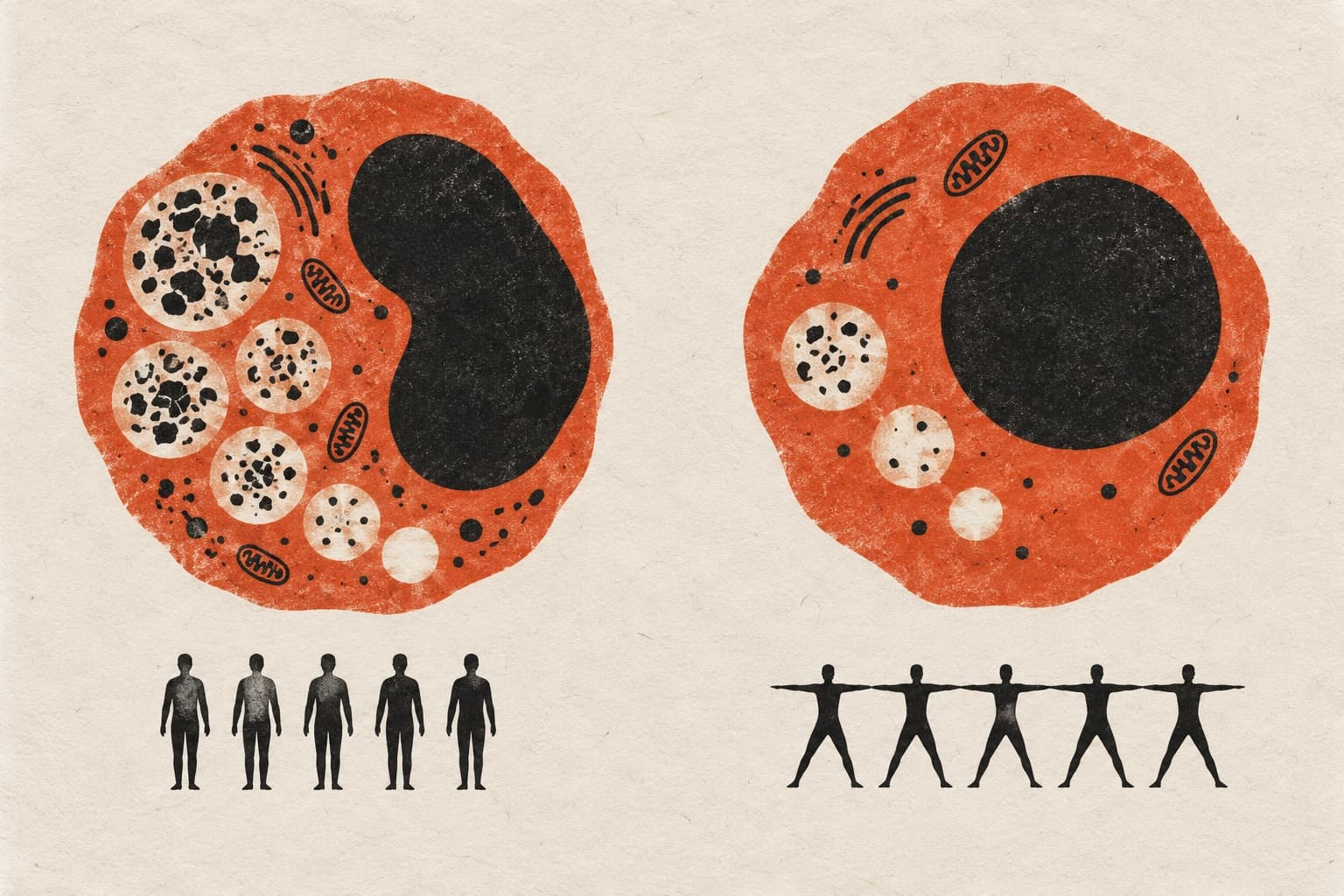
Nearly all cellular processes are pH dependent. The acidic pH inside the lysosome (vacuole in yeast) is essential for cellular content degradation, signaling, and autophagy. Defects in lysosome/vacuole acidification are a conserved hallmark of aging and age-related diseases. Traditionally, the lysosome/vacuole is thought to import free protons (H⁺) from the surrounding neutral cytosol. Here, we uncovered a conserved lysosome/vacuole acidification mechanism from yeast to human involving lysosomal/vacuolar uptake of H⁺ pumped out by mitochondrial electron transport chain through mitochondria-lysosomes/vacuoles membrane contacts. Aging/senescence-associated disruption of mitochondria-lysosome/vacuole contacts causes lysosomal/vacuolar de-acidification, which can be reversed by either expressing an engineered linker to connect these two organelles or through an asymmetry-dependent rejuvenation process in daughter cells. Preserving lysosomal acidification in senescent human cells prevents the induction of major senescence-associated secretory phenotype factors and restores autophagic flux. These findings reshape our current understanding of the mechanisms underlying lysosomal/vacuolar (de-)acidification in both young and aged/senescent cells.
The paper
Buck Institute for Research on Aging
Molecular Cell, 29 May 2026, Open access