Dual Effects of Nicotinamide on Aging-Related Arrhythmia: Protective at Low Dose, Proarrhythmic at Higher Doses
Abstract
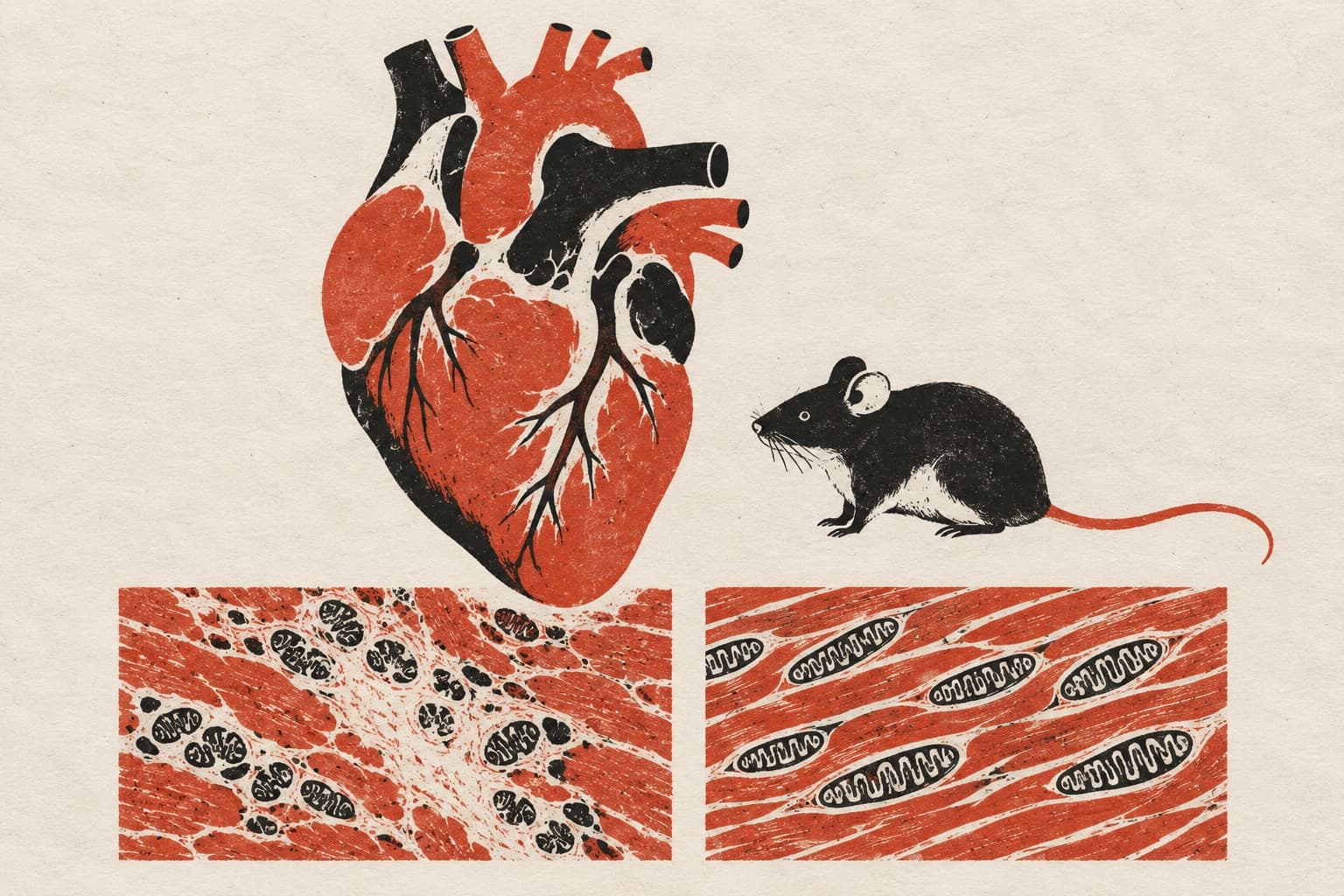
BACKGROUND: Cardiac arrhythmia and dysfunction increase with age and are closely associated with declining nicotinamide adenine dinucleotide levels. Nicotinamide, a critical nicotinamide adenine dinucleotide precursor, has shown protective effects in experimental models of aging-related cardiac diseases. However, its dose-dependent cardiac-specific adverse effects and underlying mechanisms warrant investigation. METHODS: The effects of nicotinamide (10-100 mmol/L) on the contractility and calcium transient of HL-1 cardiomyocytes, lifespan, and cardiac function of Drosophila, as well as arrhythmia susceptibility of ex vivo Langendorff mouse hearts were assessed. SERCA2a (sarcoplasmic/endoplasmic reticulum Ca²⁺-ATPase 2a) acetylation was analyzed by immunoprecipitation followed by Western blotting. RESULTS: Acute perfusion with 10 mmol/L nicotinamide had limited influence on aging-related atrial fibrillation susceptibility in ex vivo mouse and Drosophila hearts. Short-term dietary nicotinamide (10 mmol/L) in late life protected against aging-induced arrhythmia and contractile dysfunction exclusively in male Drosophila. In contrast, lifelong exposure or doses >20 mmol/L caused dose-dependent adverse cardiac effects, including impaired contractility and calcium transient amplitude and kinetics in HL-1 cardiomyocyte and shortened lifespan in Drosophila, with impaired excitability and increased arrhythmia in both models. In ex vivo mouse hearts, 100 mmol/L nicotinamide induced ventricular arrhythmia and cardiac arrest. CONCLUSIONS: Nicotinamide exhibits dual effects on aging-related arrhythmia and cardiac dysfunction, with its efficacy highly dependent on dose, duration, and biological context. Although a moderate dose in late life may be protective, chronic or excessive intake induces arrhythmia and impairs cardiac function across species, likely through disrupted cardiac excitability and dysregulated calcium handling. These findings underscore the importance of cautious and context-specific application of nicotinamide in clinical settings.
The paper
Wageningen University & Research
Journal of the American Heart Association, 25 May 2026, Open access