Type 2A fibers exhibit higher mitochondrial content than type 1 fibers in mouse skeletal muscles across physiological conditions
Abstract
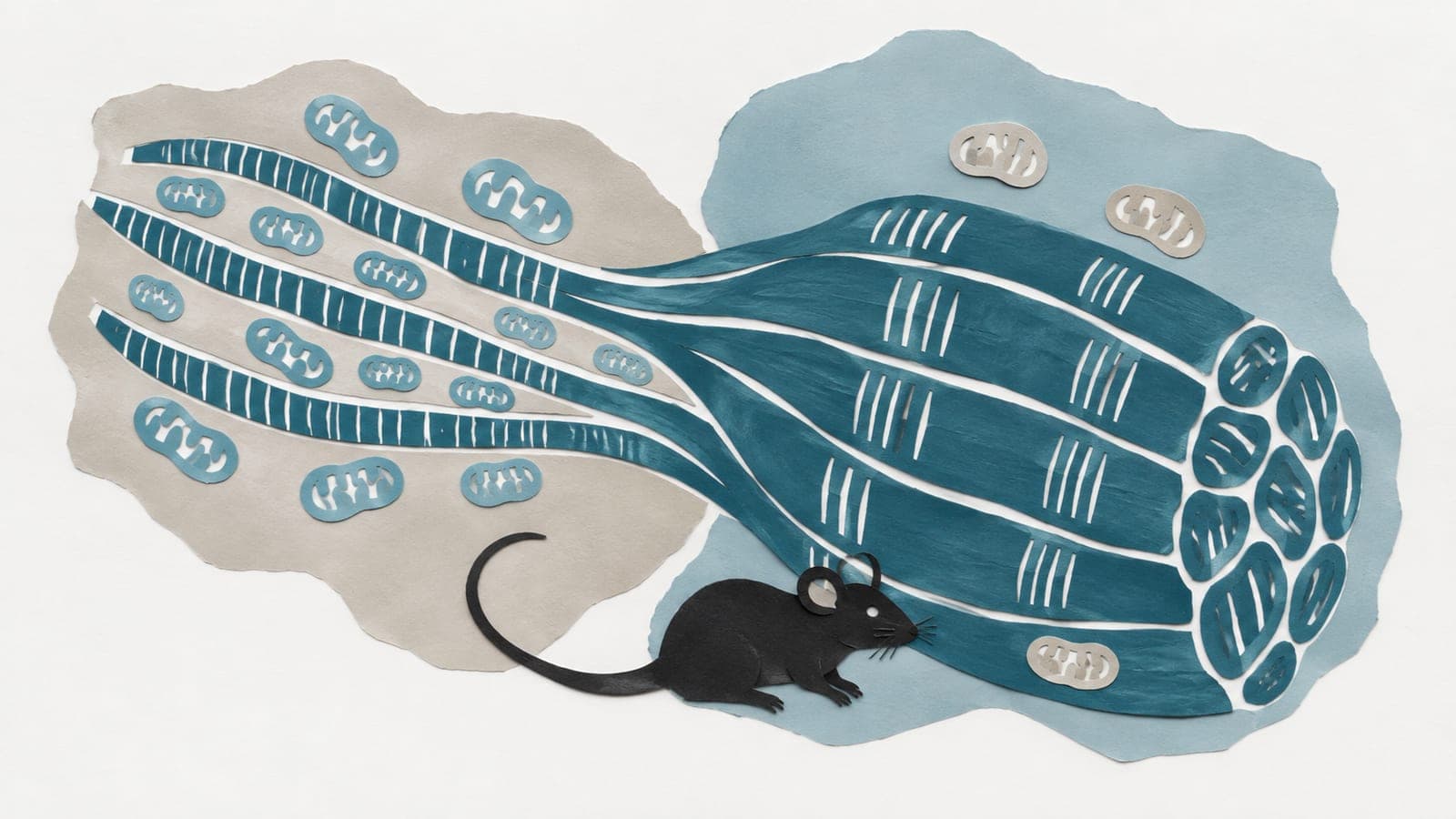
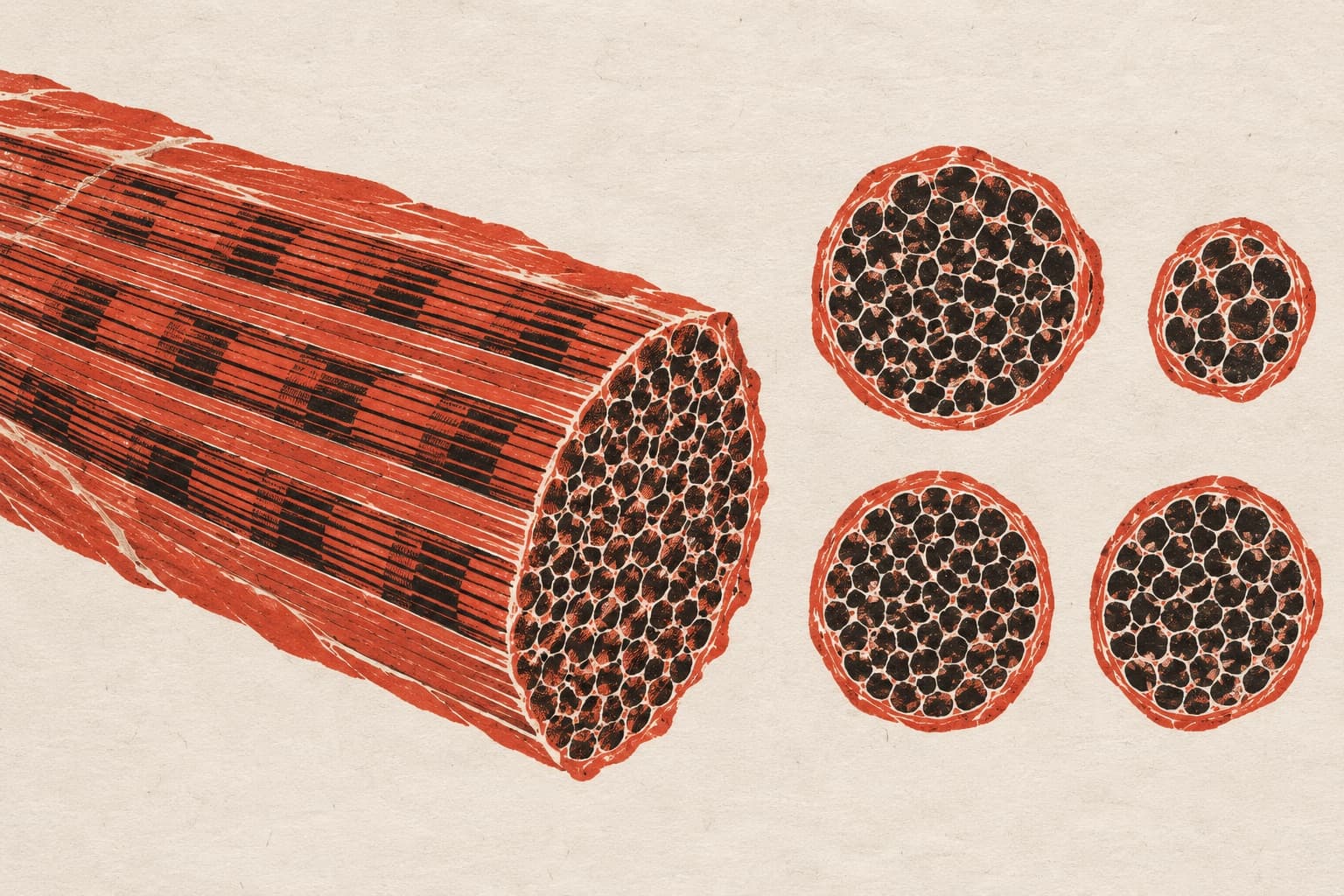
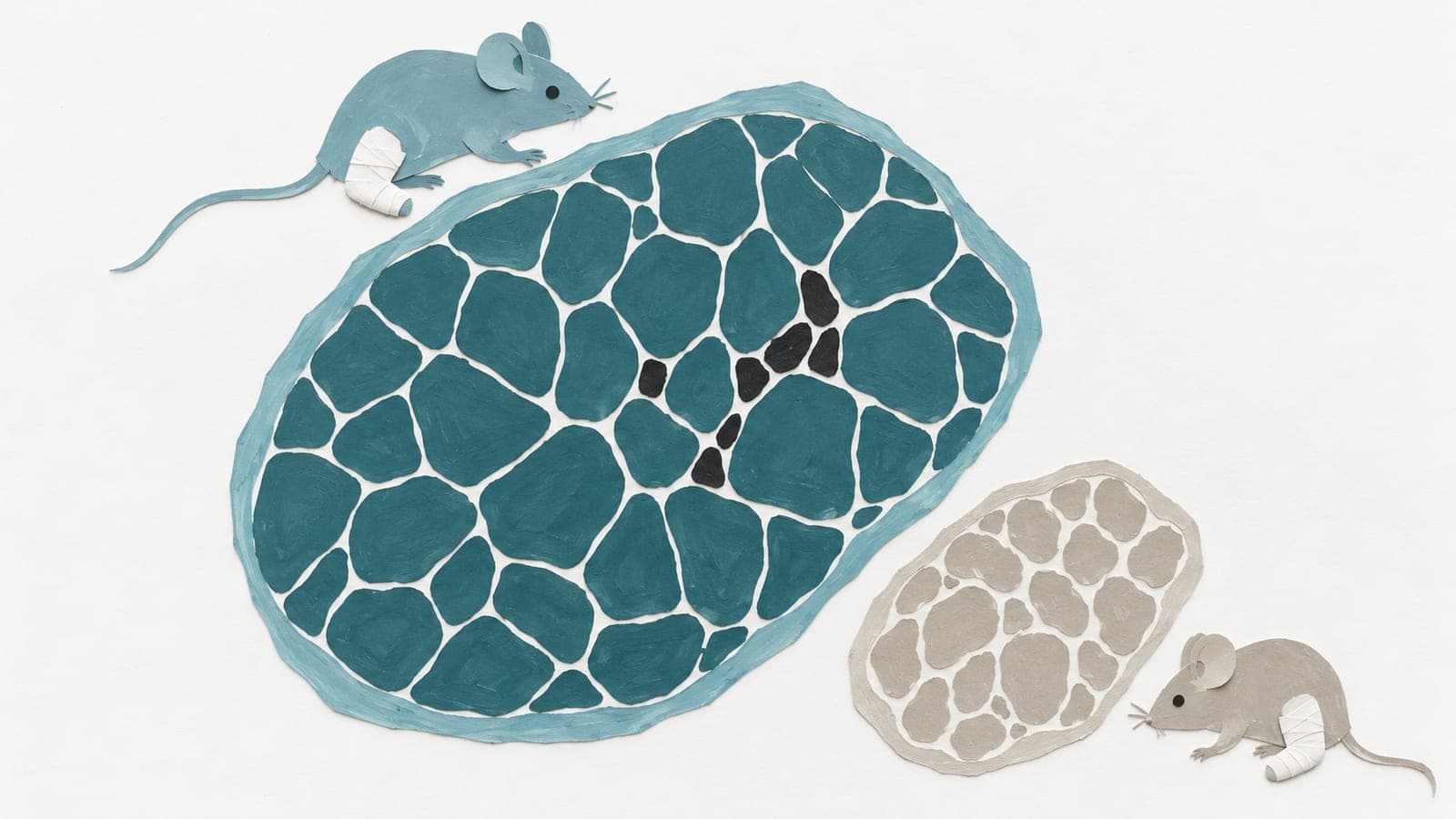
Skeletal muscle is composed of a heterogeneous mixture of oxidative slow-twitch type 1 fibers and glycolytic fast-twitch type 2 fibers (2A, 2XD, and 2B), defined by their myosin heavy chain isoform. Among the defining characteristics of muscle fiber types, a high mitochondrial content is classically associated with type 1 fibers in human skeletal muscles. In addition, mitochondrial adaptations occur according to the energy demands of each fiber type. In contrast, type 1 fibers exhibit lower mitochondrial enzyme activities than type 2A fibers in rodent limb muscles, and fiber type-specific adaptation of mitochondrial content in rodent models remains unclear. In this study, we comprehensively examined mitochondrial content at the single-myofiber level across multiple muscle regions in mice and investigated fiber type-dependent changes of mitochondrial content under various physiological conditions. We demonstrate that type 2A fibers possess higher mitochondrial content than type 1 fibers across different skeletal muscle regions in mice. Importantly, this relationship was maintained under different physiological conditions, including aging and exercise. In addition, our study identified type 2XD fibers as a metabolically plastic population that responds dynamically to physiological stimuli. These findings suggest that mitochondrial content in each skeletal muscle isotype is both species-specific and context-dependent.
The paper
Tokyo Medical University
Biochemical and Biophysical Research Communications, 8 May 2026