Effects of Diet Strategy and Nutrients on the Progression and Prevention of Diabetic Cardiomyopathy: A Narrative Review
Abstract
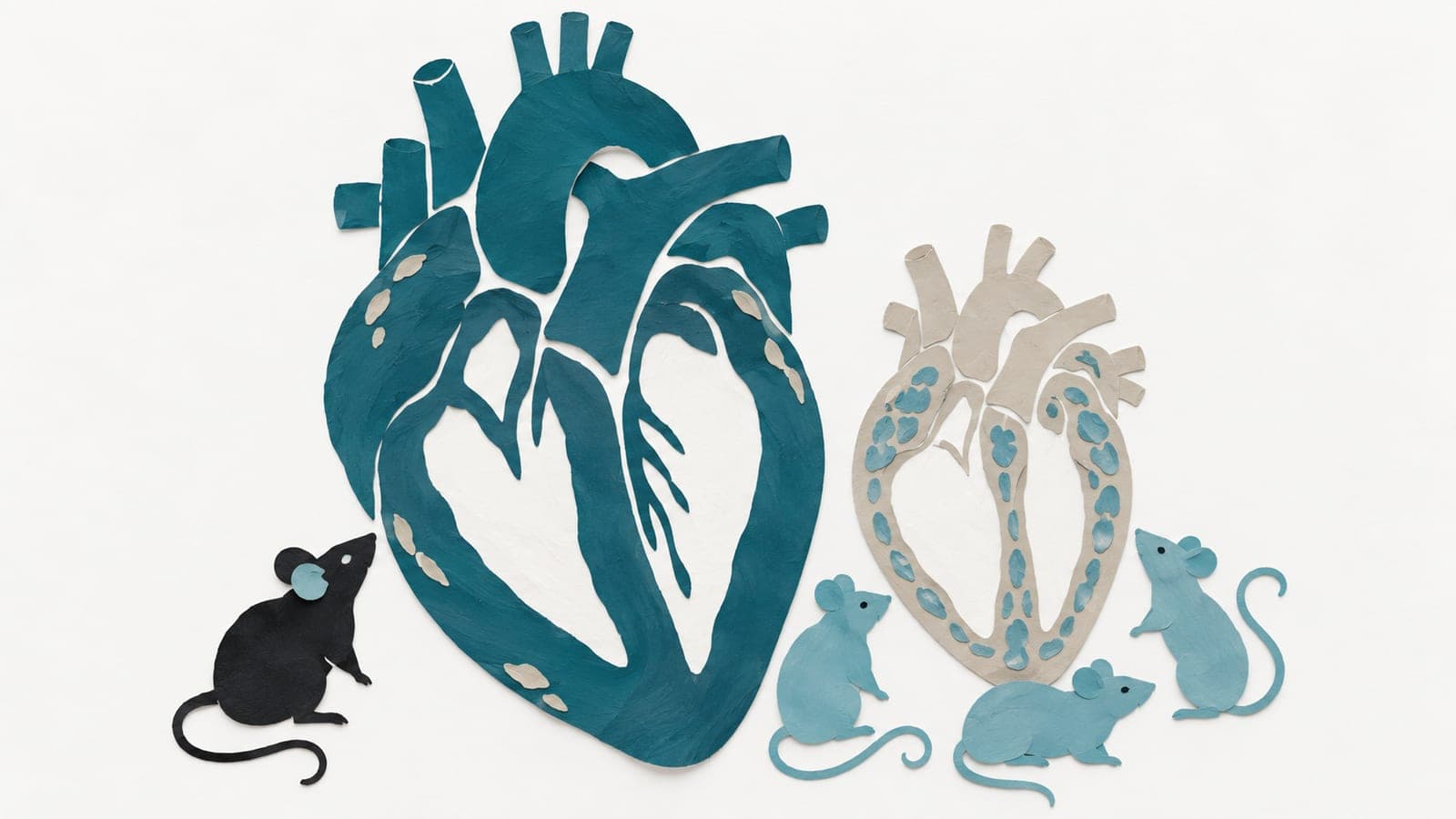
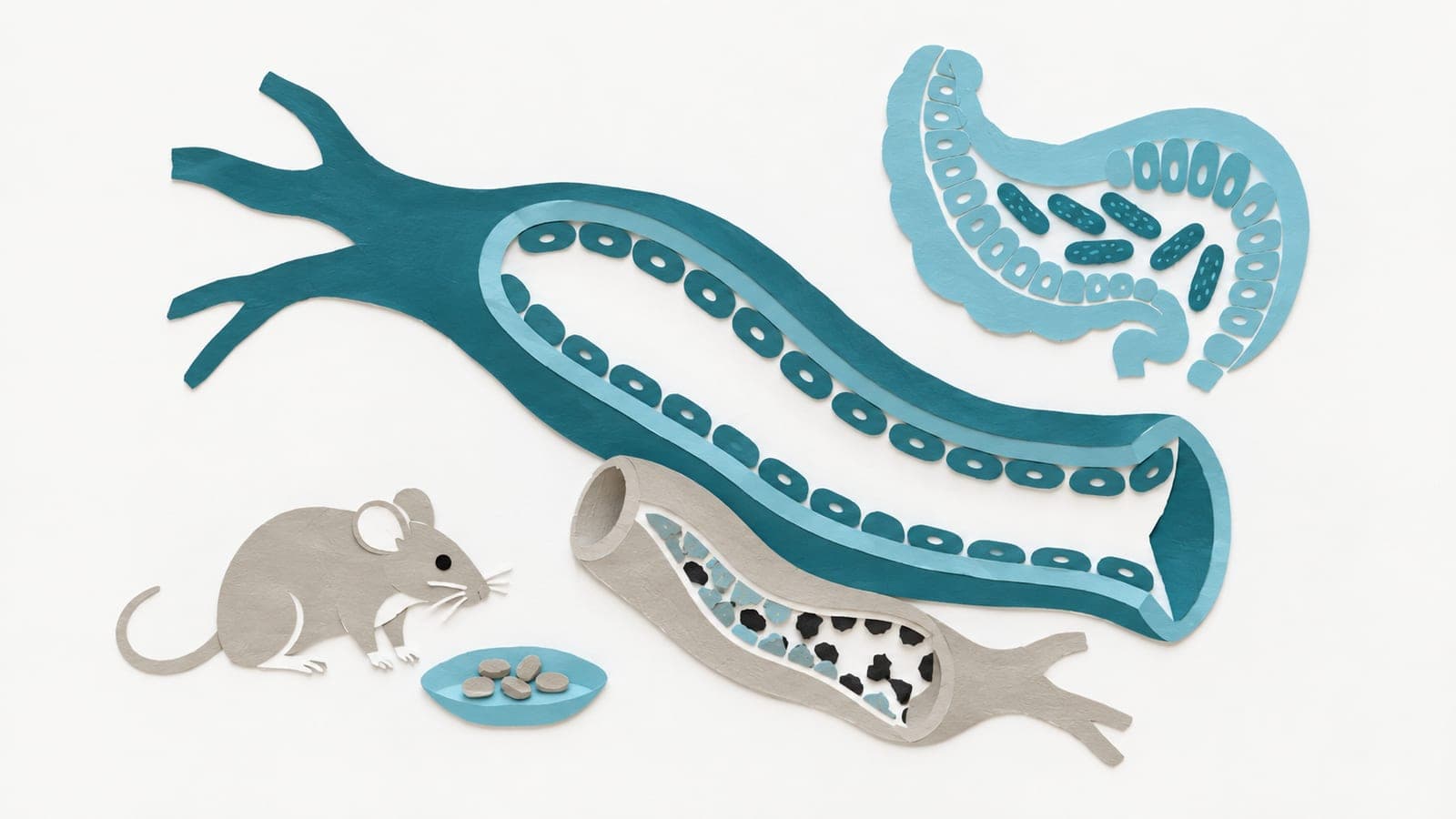
Diabetic cardiomyopathy (DCM) has emerged significantly as a prevalent clinical burden since the 19th century. Currently, despite scarce evidence, dietary strategies are emerging as adjunctive measures to treat DCM. Among these dietary strategies, nutrients such as vitamin D, ω-3 PUFAs, zinc, selenium, resveratrol, anthocyanins, and curcumin have been repeatedly associated with attenuating cardiac oxidative stress, inflammation, and fibrosis in rodent models. However, these results remain scarce and inconsistent in humans. On the contrary, caloric restriction frequently improves cardiac energetics and reduces inflammatory markers in both animals and small patient cohorts. Another form of dietary strategy is the ketogenic diet, which evokes divergent, time-dependent effects. For instance, short-term feeding enhances myocardial ketone utilization and calcium handling, whereas prolonged exposure has been linked to lipotoxicity, impaired Treg response, and interstitial fibrosis in diabetic mice. As such, these nuances suggest that despite encouraging findings, challenges, including limited clinical trials, individual differences in dietary responses, and patient adherence, require further investigation. Therefore, in this narrative review, we synthesize preclinical and clinical findings on how dietary strategies, including nutrients, bioactive compounds, and caloric restriction, modulate myocardial structure and function in diabetes. Emphasis is placed on distinguishing robust mechanistic insights from preliminary translational findings and on identifying priorities for future human research.
The paper
Macau University of Science and Technology
Food Science & Nutrition, 24 Apr 2026, Open access