The Lung-Brain Axis in Cognitive Impairment and Dementia: Mechanisms and Therapeutic Prospects
Abstract
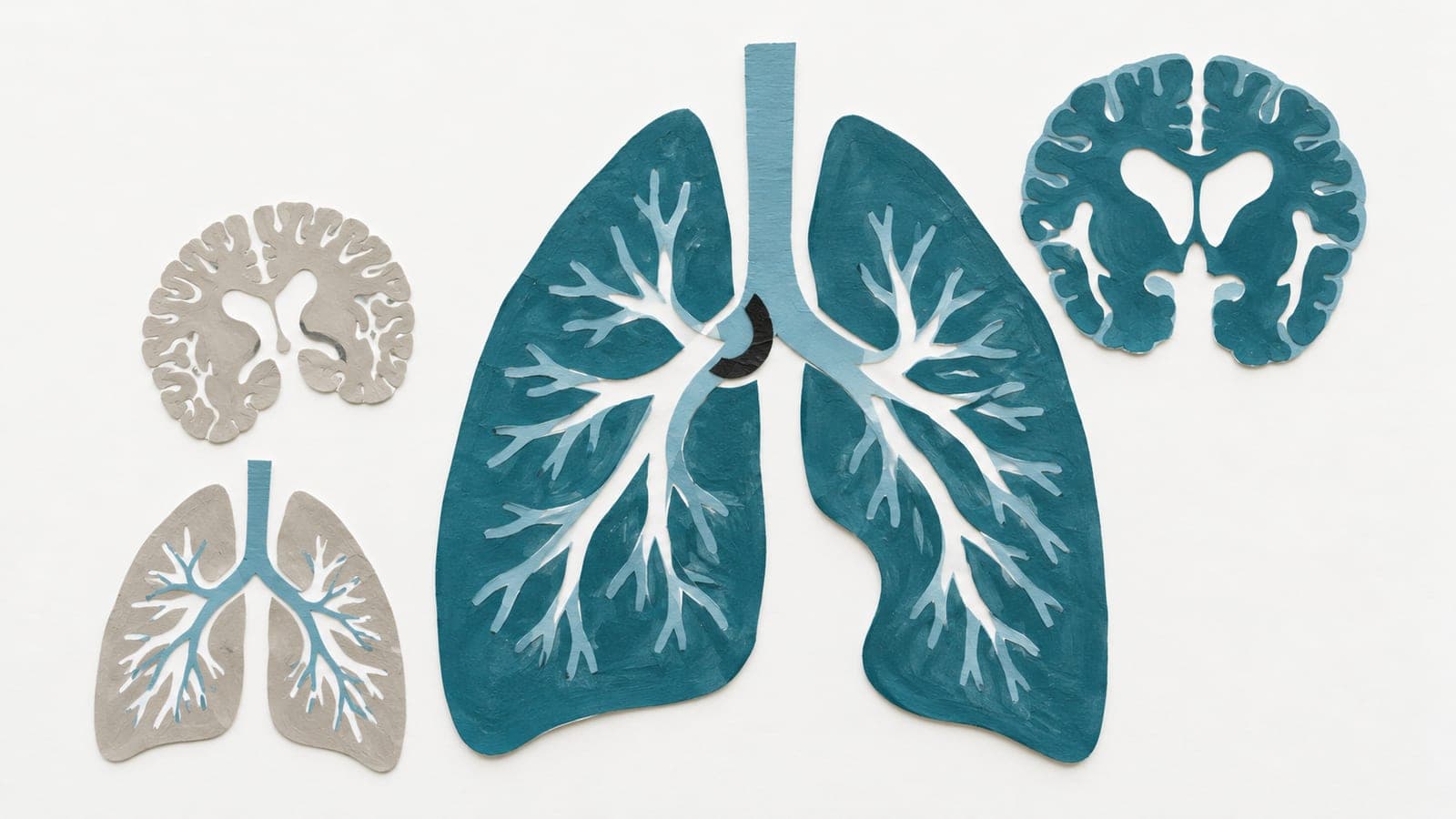
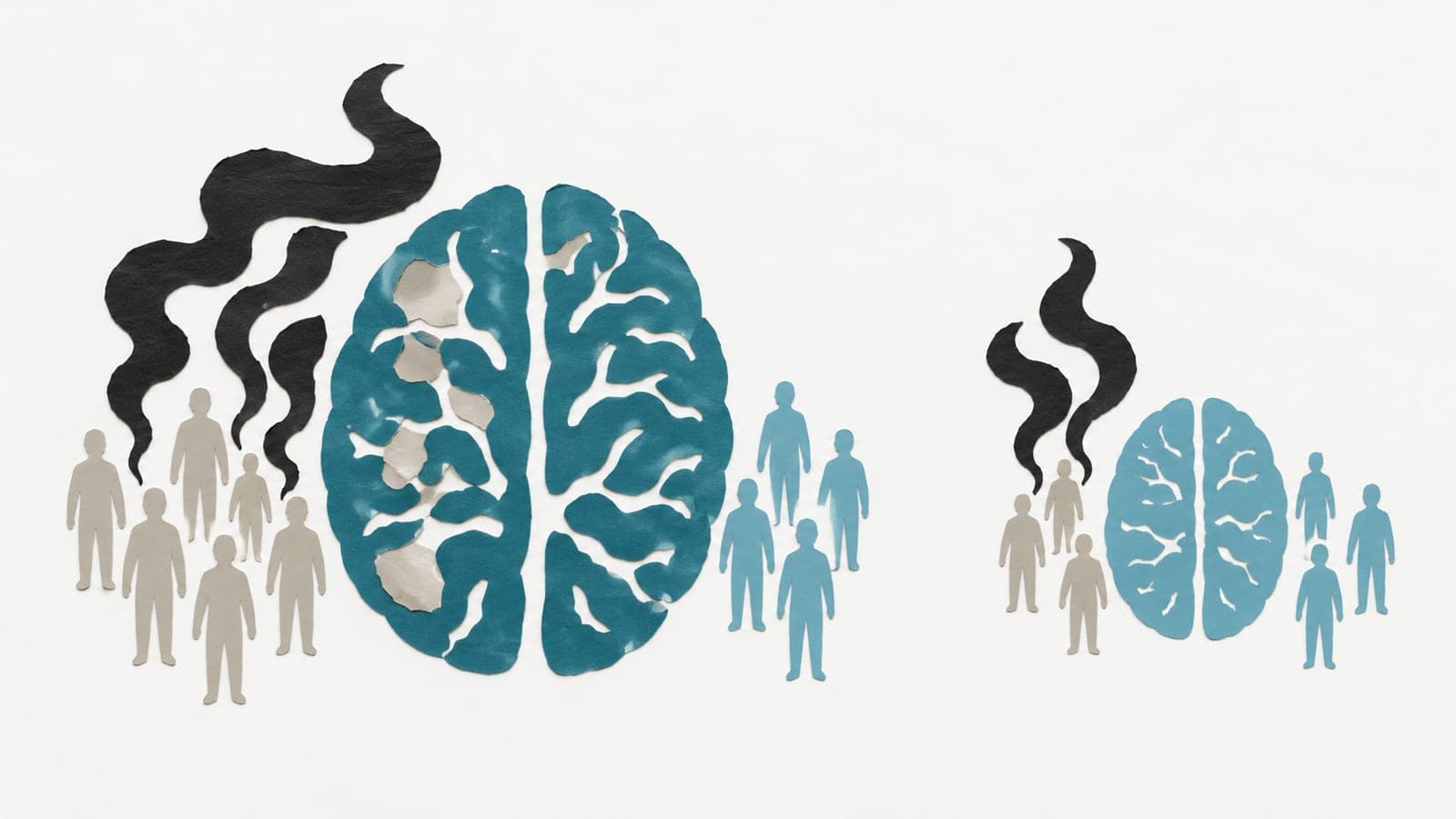
The lung-brain axis has been recognized as a critical interface linking lung health to cognitive disorders, including cognitive impairment, Alzheimer's disease, and dementia. Epidemiological and clinical evidence shows a close association between compromised lung health-including chronic obstructive pulmonary disease (COPD), asthma, obstructive sleep apnea (OSA), and pulmonary infections-and cognitive impairment and dementia. Potential mechanisms include established factors (systemic inflammation and immune crosstalk, hypoxic injury, and air-pollutant-induced neurotoxicity) and exploratory mechanisms (lung microbiome dysregulation). Notably, lung-centric strategies targeting the lung-brain axis involve repurposing pulmonary medications, intervening in shared mechanisms, and employing non-pharmacological strategies. Furthermore, realizing this promise will require future randomized controlled trials (RCTs) to develop comprehensive management strategies and alleviate the global burden of cognitive impairment and dementia.
The paper
Sichuan University
Aging and Disease, 2 Apr 2026, Open access