Skeletal Muscle-Cardiac Muscle Aging: Shared Mechanisms and Multimodal Interventions
Abstract
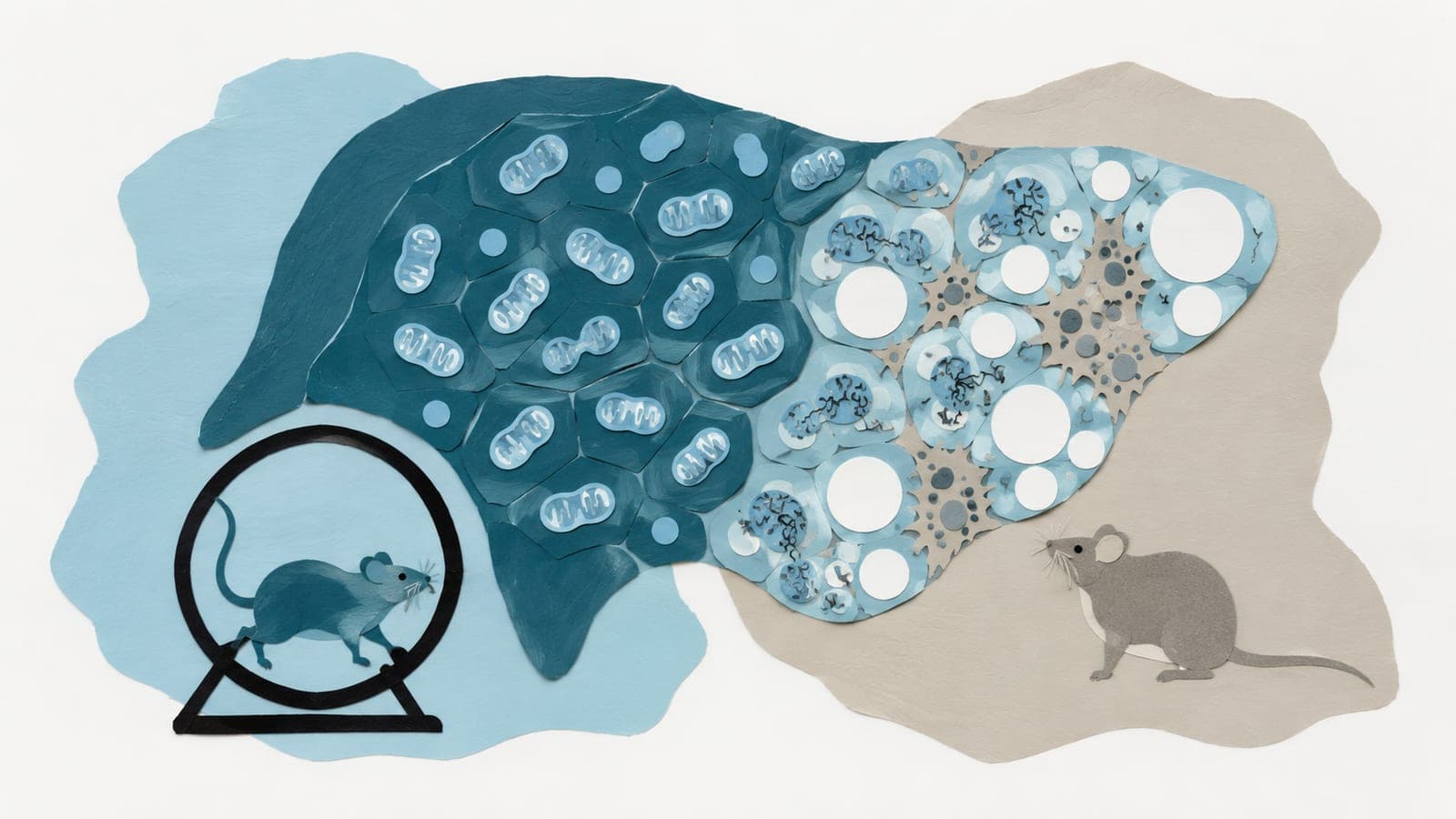
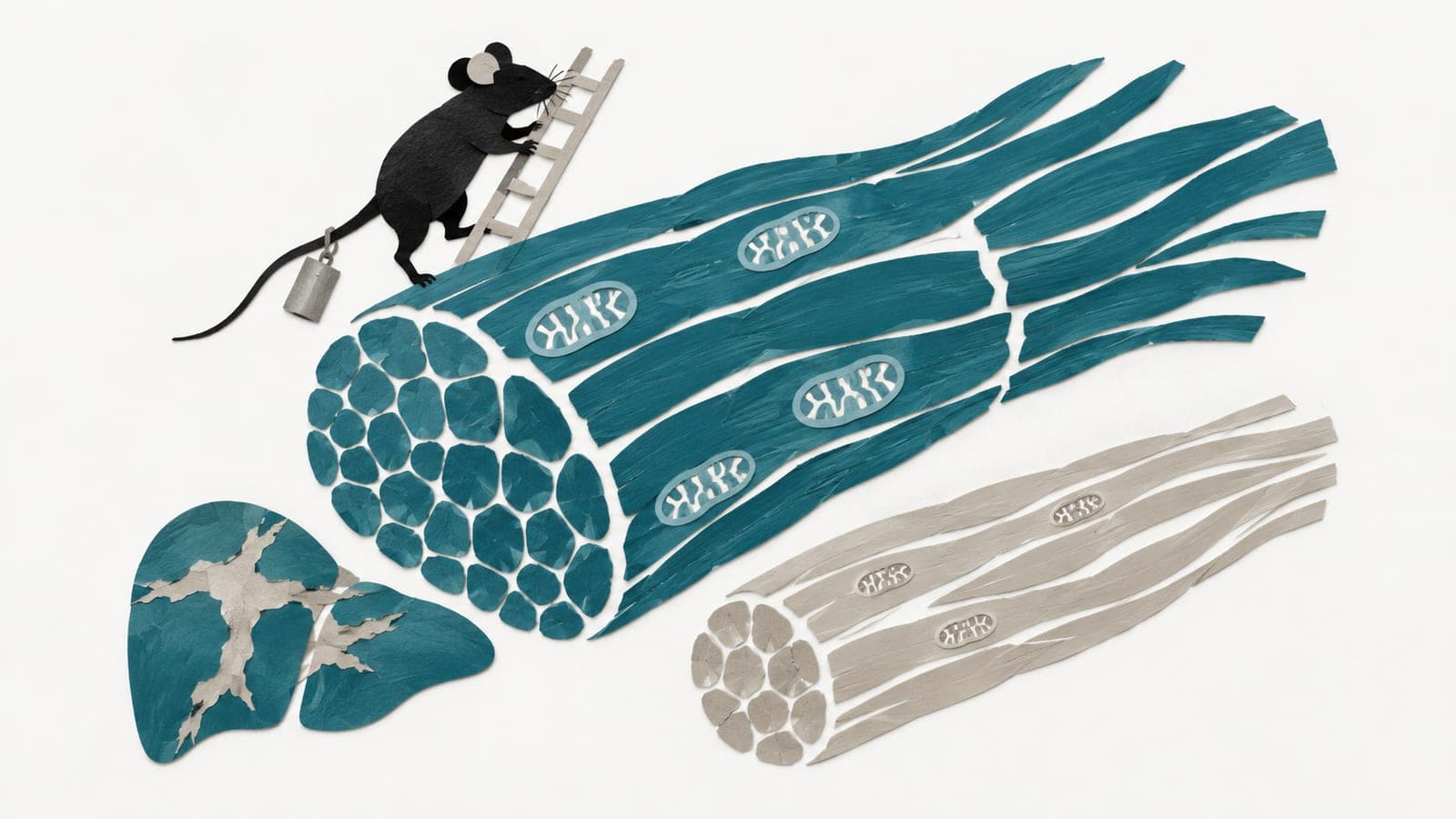
The progressive age-related deterioration of skeletal and cardiac muscle represents a critical determinant of morbidity and mortality in older adults. This state-of-the-art review examines the interconnected molecular mechanisms underlying muscle aging, including mitochondrial dysfunction, immunosenescence, oxidative stress, hormonal dysregulation, and anabolic resistance. These shared pathways manifest as sarcopenia in skeletal muscle and remodeling in cardiac tissue, creating a complex relationship that accelerates functional decline. Chronic diseases, including heart failure, diabetes, and hypertension, amplify these degenerative processes through metabolic dysregulation and systemic inflammation. Evidence-based interventions combining multicomponent exercise programs (resistance, aerobic, and balance training), optimized protein intake (1.0-1.5 g/kg/day), and emerging pharmacological agents have demonstrated efficacy in preserving muscle mass and function. Digital health technologies offer novel monitoring and intervention delivery platforms. Future directions include expounding on muscle-heart crosstalk mechanisms, developing predictive biomarkers, and implementing integrated care models to address the growing burden of age-related physical decline.
The paper
MedStar Washington Hospital Center; Cleveland Clinic
JACC Advances, Dec 1, 2025, Open access