Colchicine Alleviates Non-Atherosclerotic Vascular Aging by Targeting Endothelial Dysfunction and Inflammatory Status
Abstract
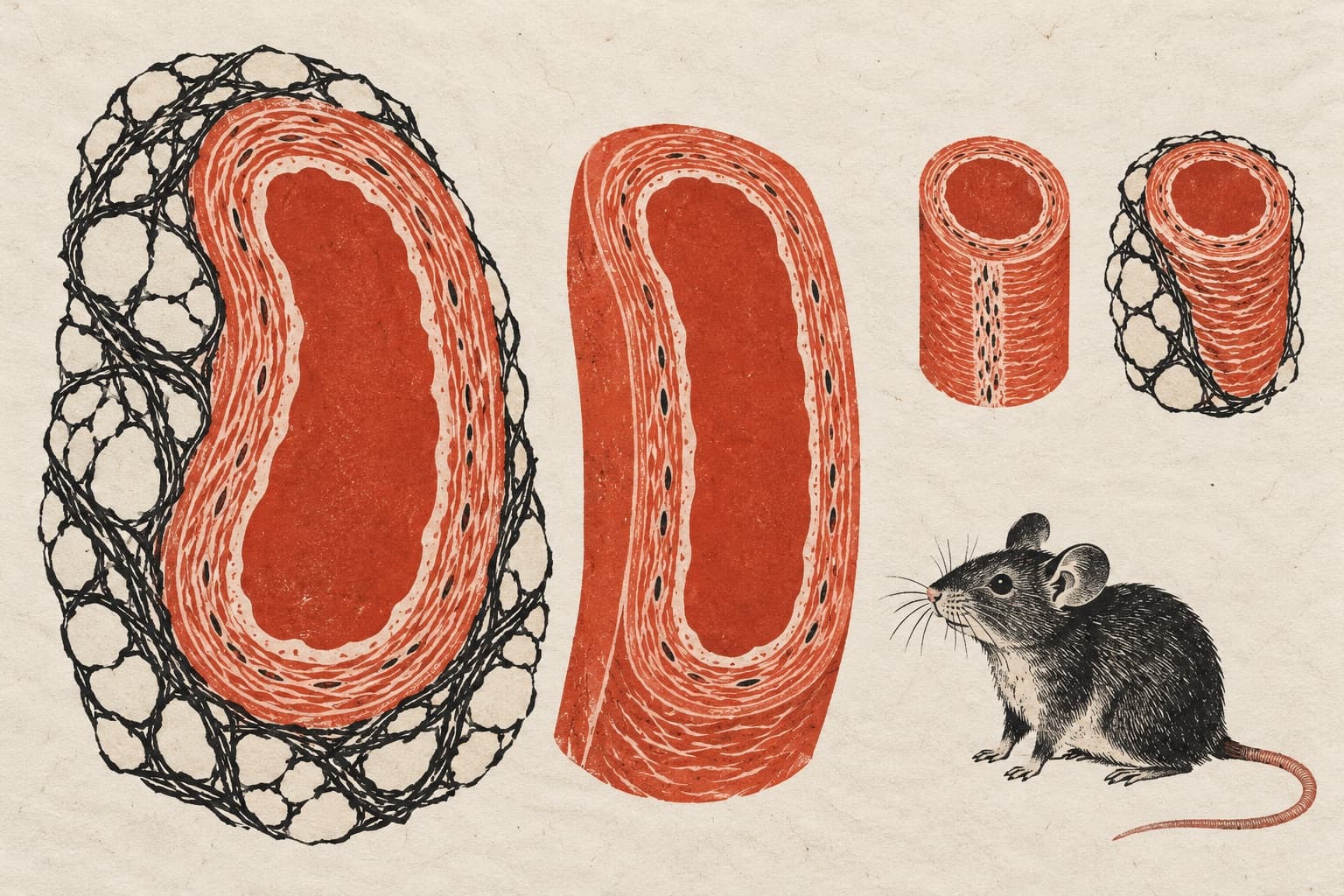
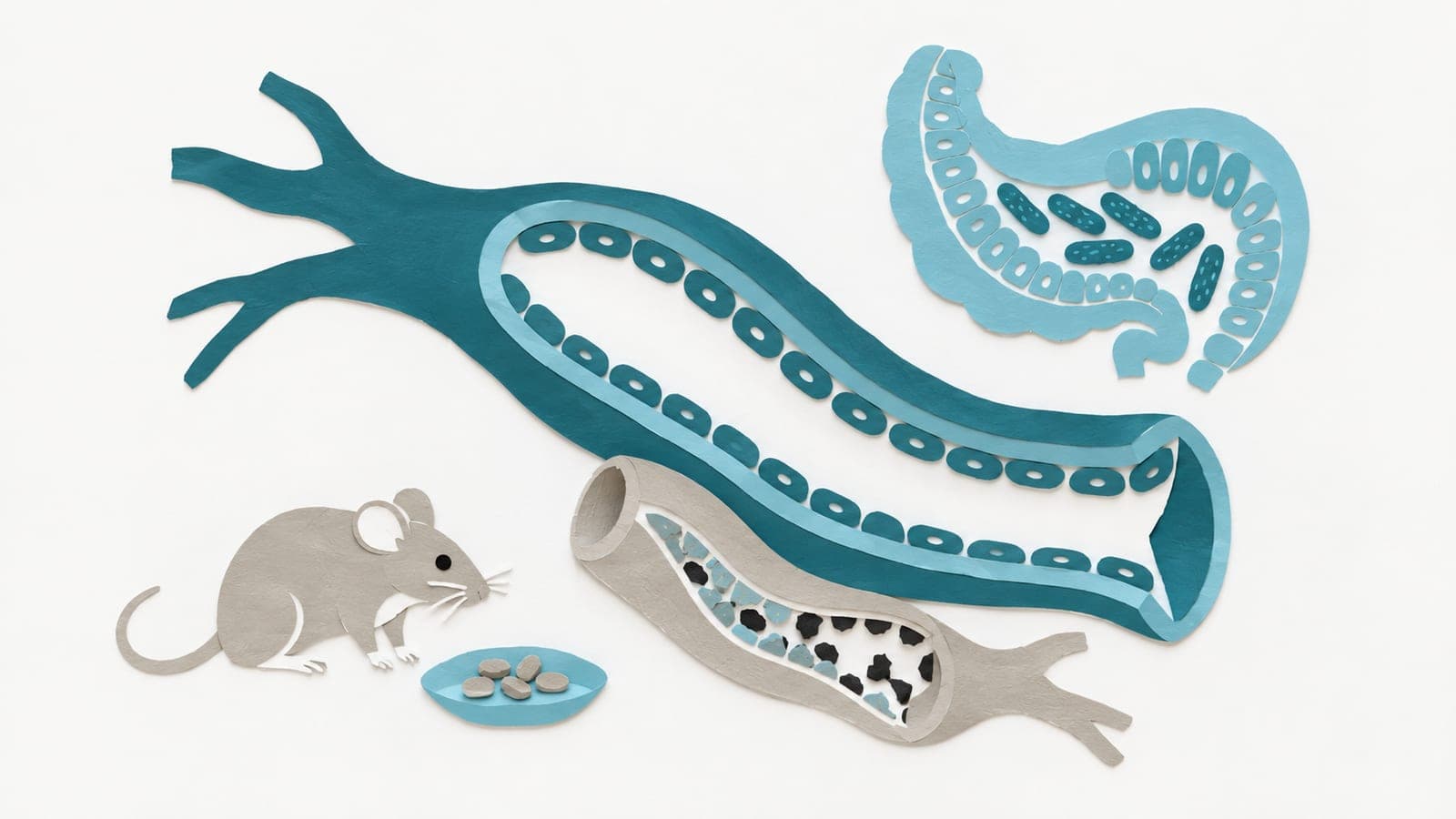
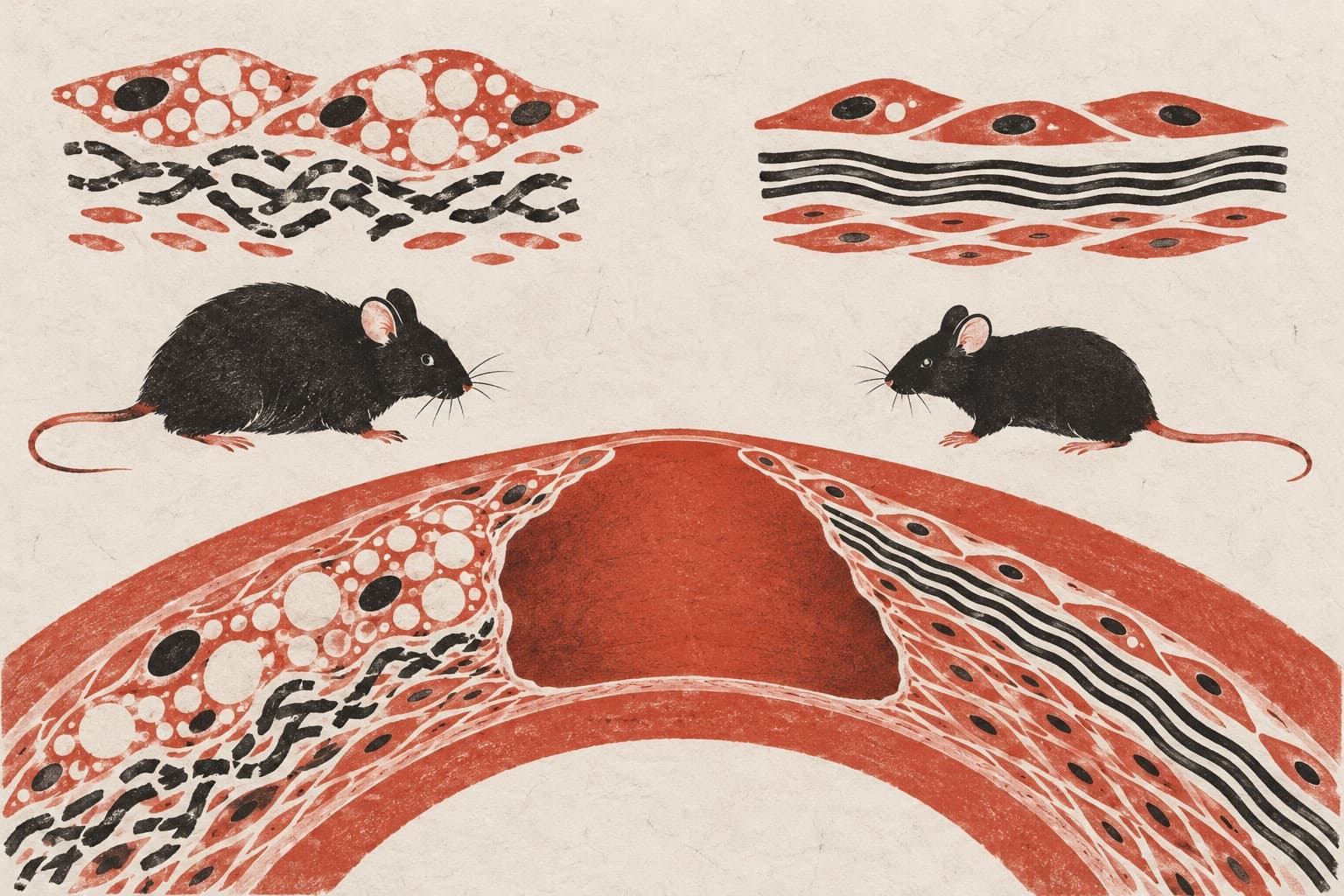
BACKGROUND: Non-atherosclerotic vascular aging (NAVA) contributes to cardiovascular risk through progressive arterial stiffening and endothelial dysfunction. Colchicine, best known for anti-inflammatory activity, has been proposed to protect vascular structure and function. We evaluated whether chronic colchicine mitigates NAVA in a smooth-muscle-specific ERCC1 knockout (SMC-KO) mouse model of DNA-damage-driven vascular aging. METHODS: We performed experiments in the SMC-KO treated with colchicine (0.1mg/kg/day) or vehicle from the age of 10 to 22 weeks. Endothelial function was assessed by acetylcholine-induced vasorelaxation, and vascular structure by pulse-wave velocity (PWV), carotid intima-media thickness (cIMT), and elastin integrity. RESULTS: SMC-KO mice developed increased arterial stiffness and impaired acetylcholine-mediated relaxation. Chronic colchicine significantly (p<0.01) lowered PWV, preserved elastin architecture, and improved endothelium-dependent relaxation, while sodium-nitroprusside responses and systemic cytokine levels remained unchanged. CONCLUSION: Chronic colchicine treatment preserves endothelial function and vascular elastin structure and reduces arterial stiffness in a DNA-damage-driven model of non-atherosclerotic vascular aging. These findings highlight colchicine's pleiotropic vascular benefits beyond anti-inflammation, supporting its potential repurposing for primary prevention in vascular aging and cardiovascular health or the development of colchicine-mimicking drugs with greater selectivity and improved safety profiles.
- Colchicine
- ERCC1
- Extracellular matrix remodelling
- Non-atherosclerotic vascular aging
- Cardiovascular disease
- Mice
The paper
University Medical Center Rotterdam
Journal of Inflammation Research, 7 Feb 2026