Myocardiocyte senescence in ischemic heart disease and breathome changes
Abstract
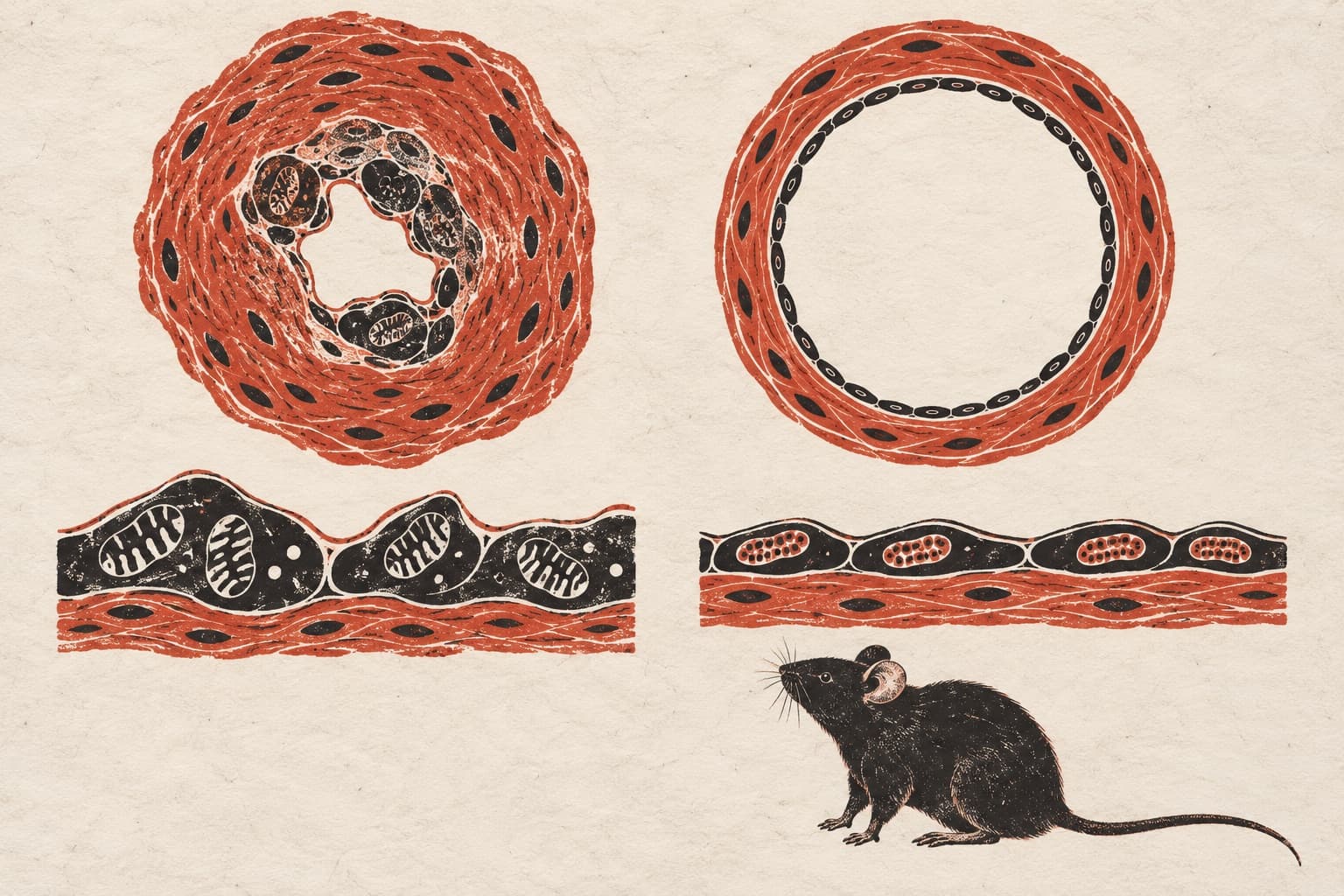
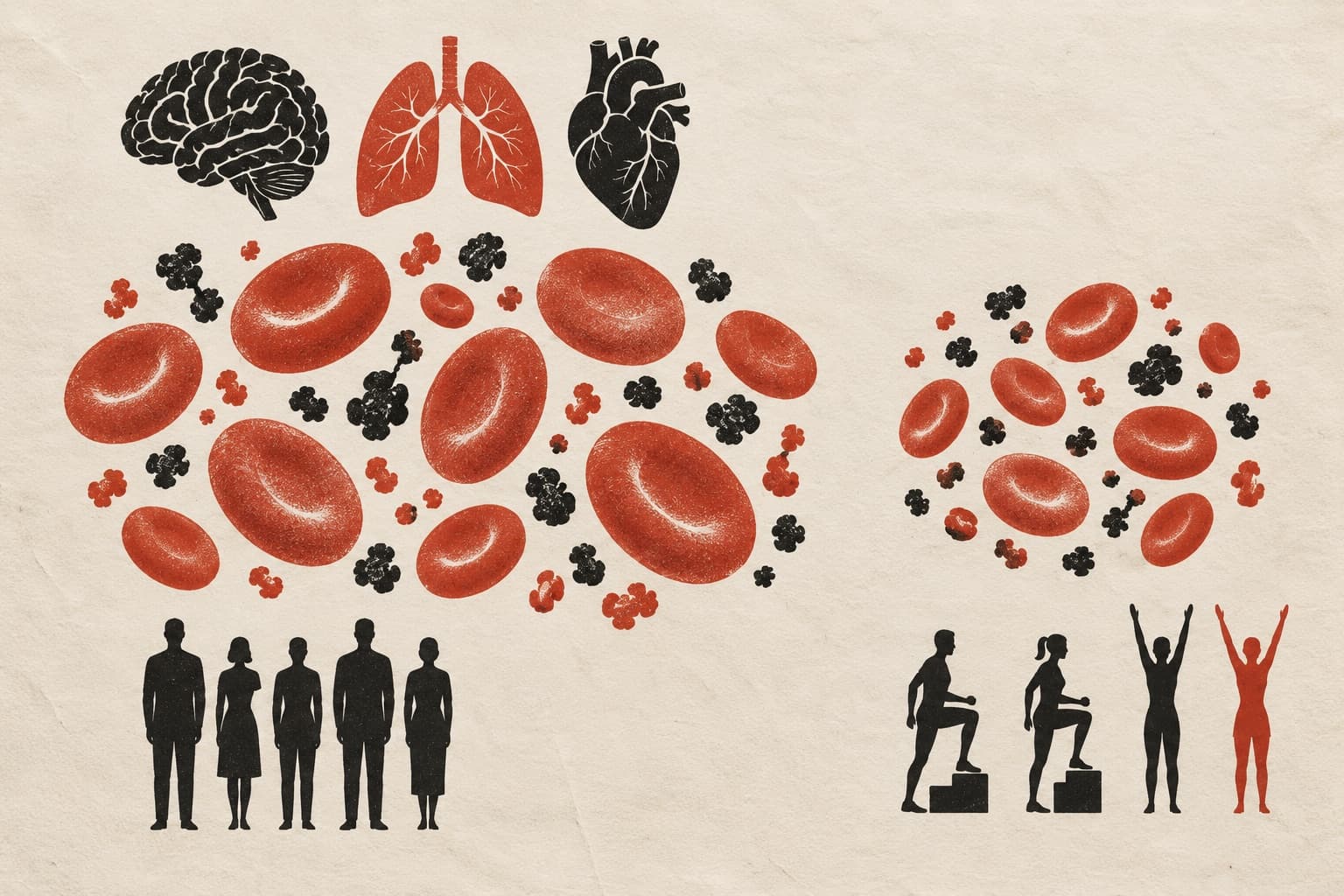
Aging is an irreversible and continuous process characterized by metabolic alterations induced by epigenomic changes. Myocardiocytes, a type of cardiac cell, are among the cells affected by this process. These changes affect cardiometabolic homeostasis at both cellular and subcellular levels. Consequently, dysregulation occurs between the protective and aggressive systems of myocardiocytes, leading to an increased prevalence of the aggressive system. This imbalance weakens the protective system against harmful factors, such as ischemia. As a result, ischemic heart disease develops, and pathological cardiometabolic changes in myocardiocytes progress with each ischemia-reperfusion event. These cardiometabolic alterations serve as biomarkers (outcomes) of ischemic myocardiocytes released into the bloodstream. The detection of these biomarkers in exhaled breath, in the form of volatile organic compounds (VOCs), is feasible using various types of mass spectrometers, including the proton transfer reaction time of flight mass spectrometer. Exhaled VOCs can be utilized as biomarkers of the biological age of myocardiocytes by measuring the concentration of specific VOCs associated with cardiometabolic changes and ischemic myocardiocytes. This article explores the relationship between myocardiocyte aging and the development of ischemic heart disease, as well as the changes in exhaled VOCs.
The paper
Sechenov University
World Journal of Experimental Medicine, 20 Mar 2026, Open access