AP39 alleviates HHCY-induced myocardial remodeling by regulating FUNDC1-mediated mitochondrial dynamics via S-sulfhydration of NEDD8/CUL4B
Abstract
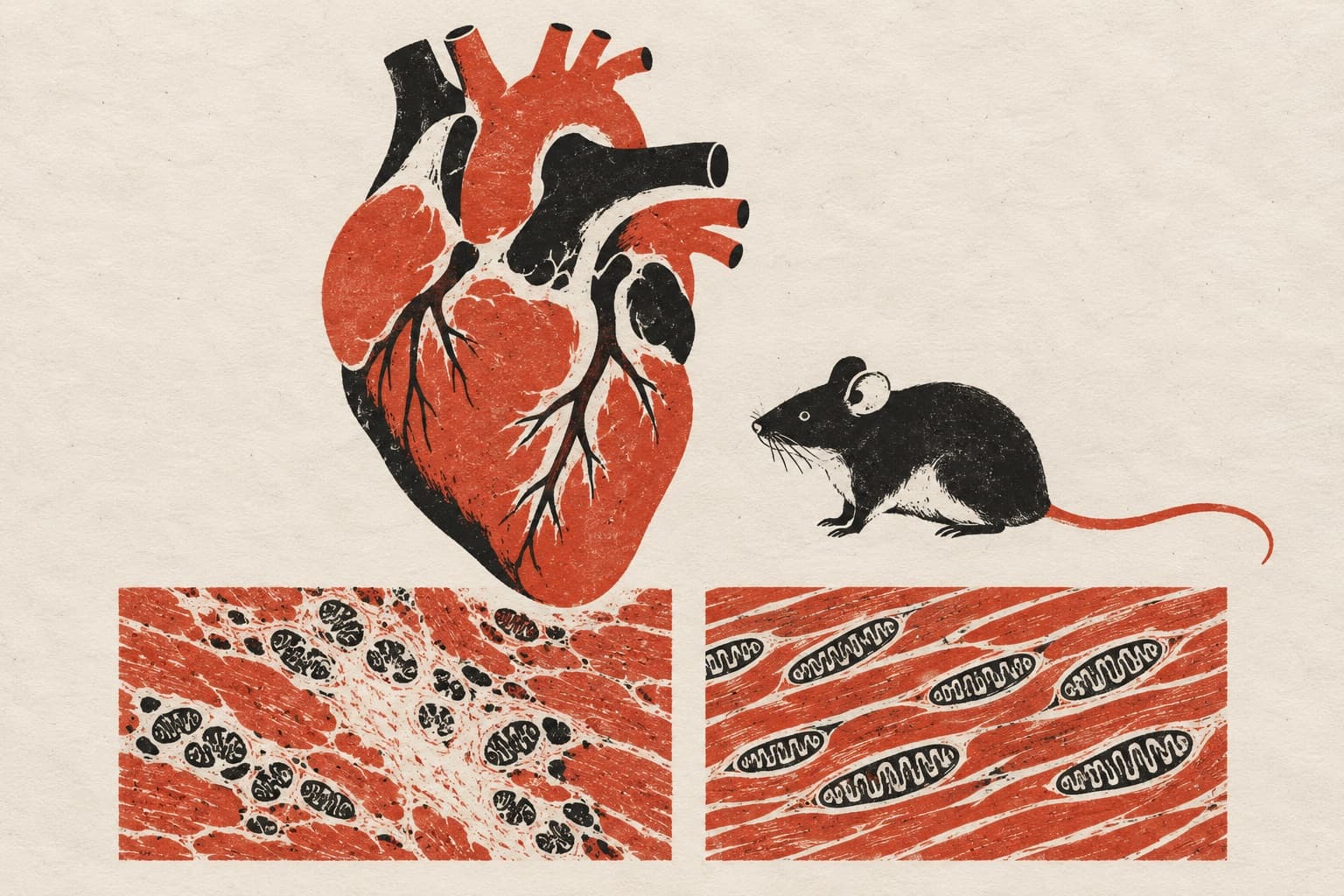
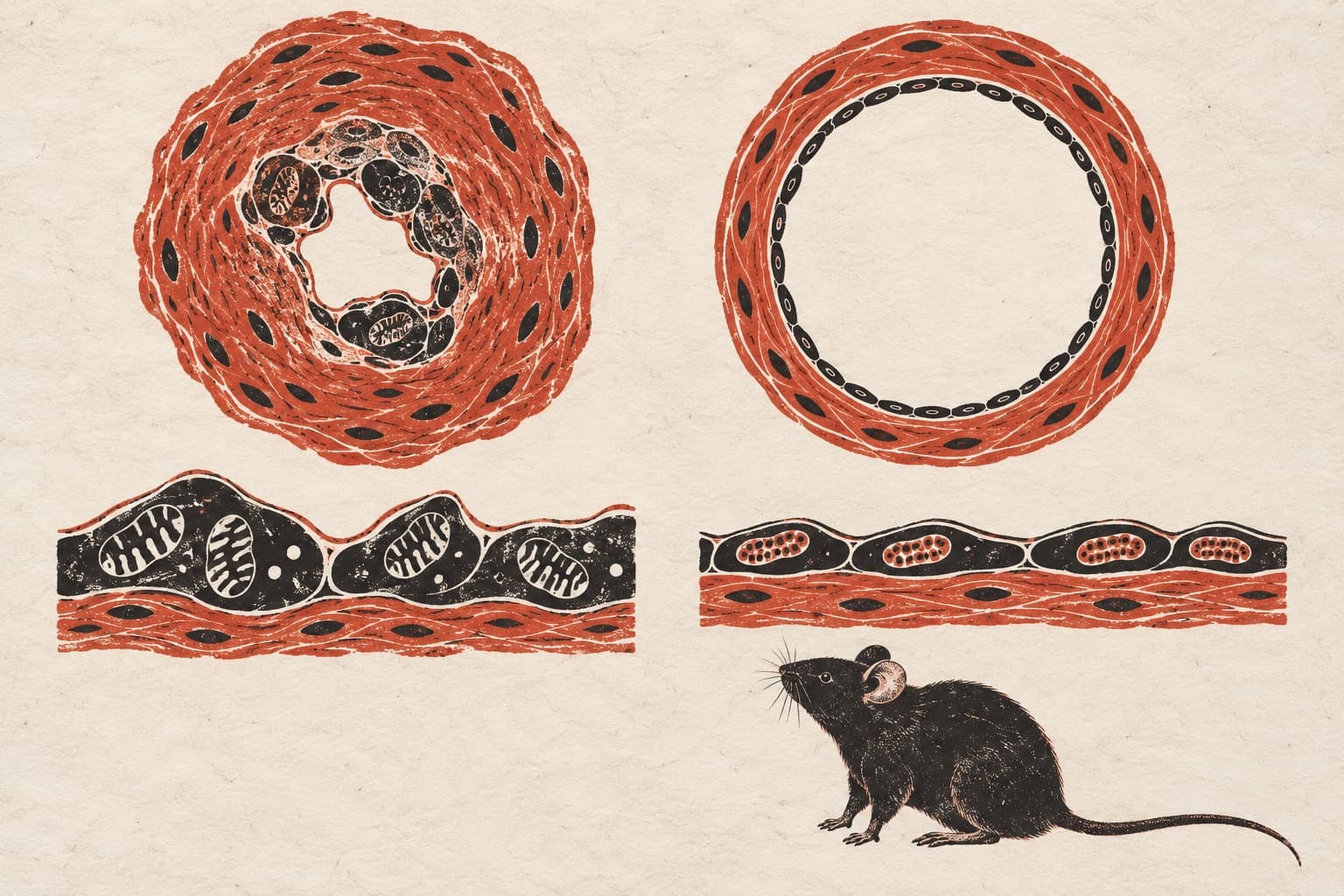
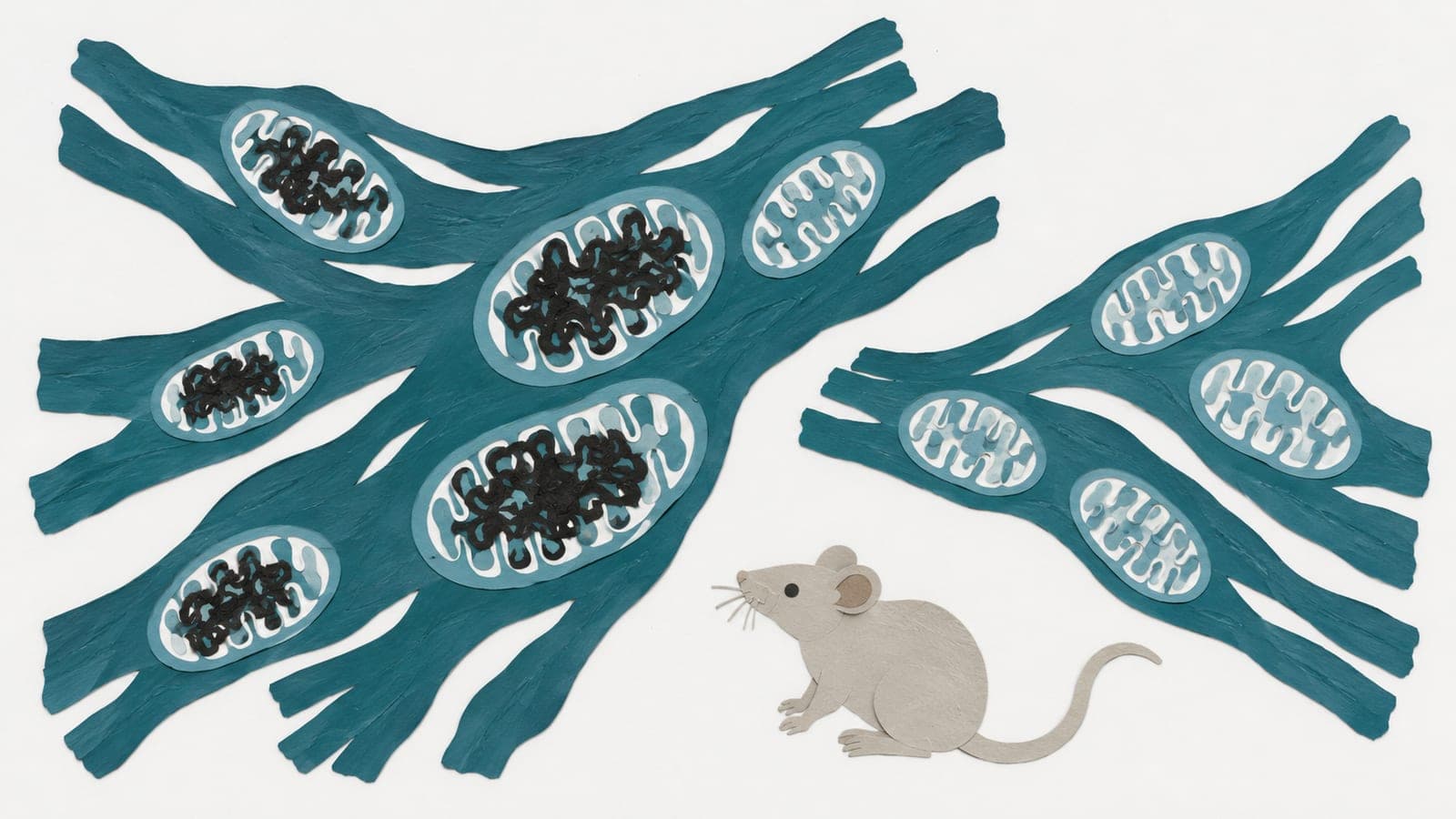
INTRODUCTION: Hyperhomocysteinemia (HHCY) is a well-recognized risk factor for cardiovascular diseases; however, the molecular mechanisms underlying HHCY-induced myocardial remodeling remain unclear. This study aimed to investigate the role of mitochondrial dysfunction and cardiomyocyte senescence in HHCY-associated myocardial remodeling and to explore the potential protective effects of AP39, a mitochondria-targeted hydrogen sulfide (H₂S) donor. METHODS: An integrated approach combining retrospective clinical analysis, animal models, and cellular experiments was employed. Associations between homocysteine (HCY) levels and left ventricular hypertrophy were analyzed in hypertensive patients. In vivo and in vitro models of HHCY were used to assess cardiac function, myocardial fibrosis, cellular senescence, mitochondrial dynamics, and underlying molecular mechanisms, with or without AP39 intervention. RESULTS: Clinical analysis demonstrated that HHCY was significantly associated with left ventricular hypertrophy, and elevated HCY levels increased the risk of ventricular hypertrophy. In animal models, HHCY resulted in impaired cardiac function, evidenced by reduced left ventricular fractional shortening and increased left ventricular end-systolic diameter, accompanied by myocardial fibrosis and cardiomyocyte senescence. AP39 treatment markedly ameliorated these pathological changes. Mechanistically, AP39-derived H₂S promoted S-sulfhydration of the NEDD8/CUL4B complex, thereby reducing ubiquitin-dependent degradation of FUNDC1. Upregulation of FUNDC1 restored mitochondrial dynamic homeostasis by weakening its interaction with DRP1, ultimately suppressing cardiomyocyte senescence. DISCUSSION: These findings uncover a previously unrecognized mechanism by which AP39 preserves mitochondrial homeostasis through regulation of the FUNDC1-DRP1 axis via NEDD8/CUL4B-dependent S-sulfhydration. This study identifies a novel therapeutic target and provides mechanistic insight into HHCY-associated myocardial remodeling.
The paper
First Affiliated Hospital of University of South China
Frontiers in Pharmacology, 9 Mar 2026