Role of non-homologous end joining DNA repair during limb regeneration in Ambystoma mexicanum
Abstract
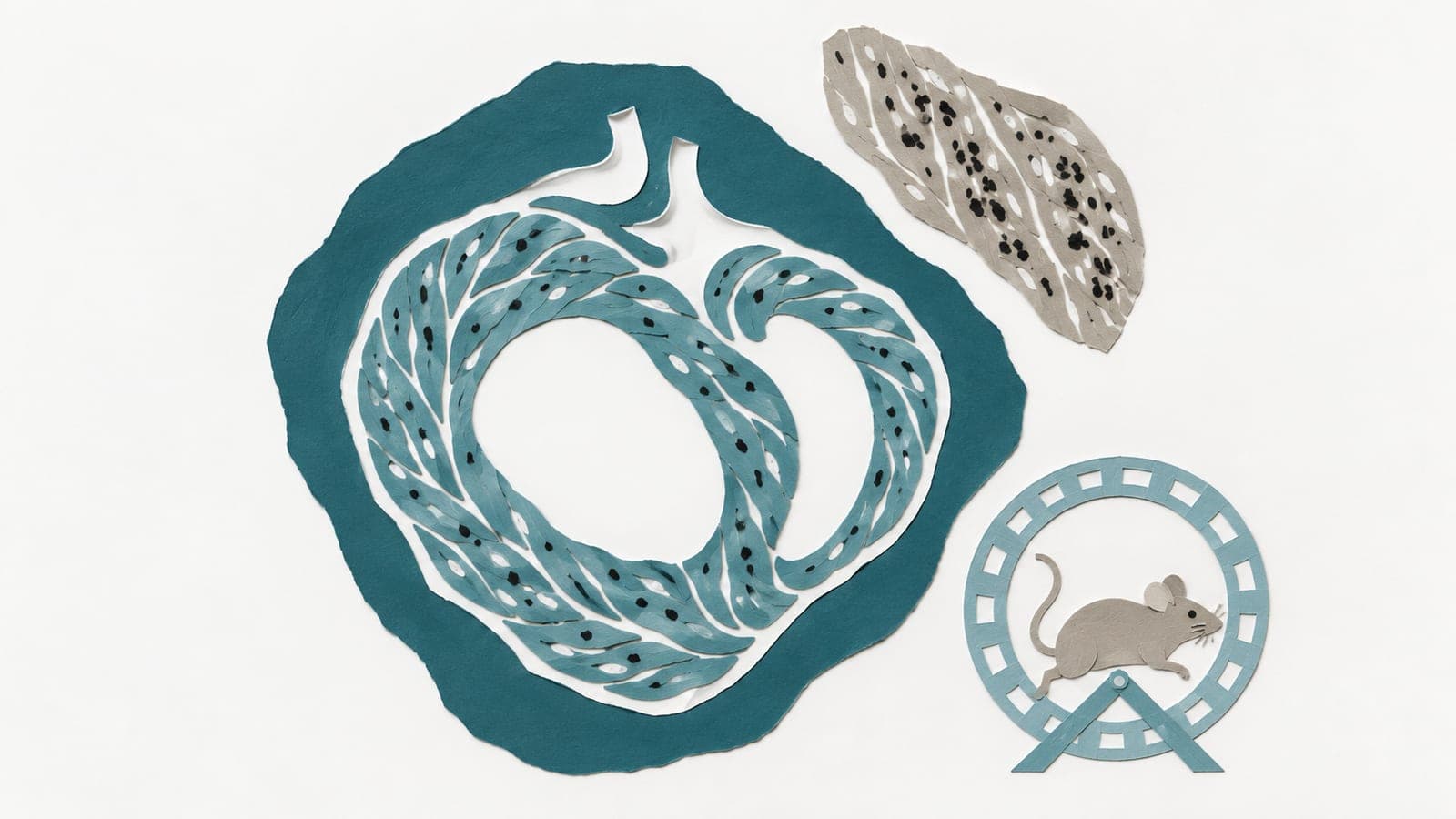
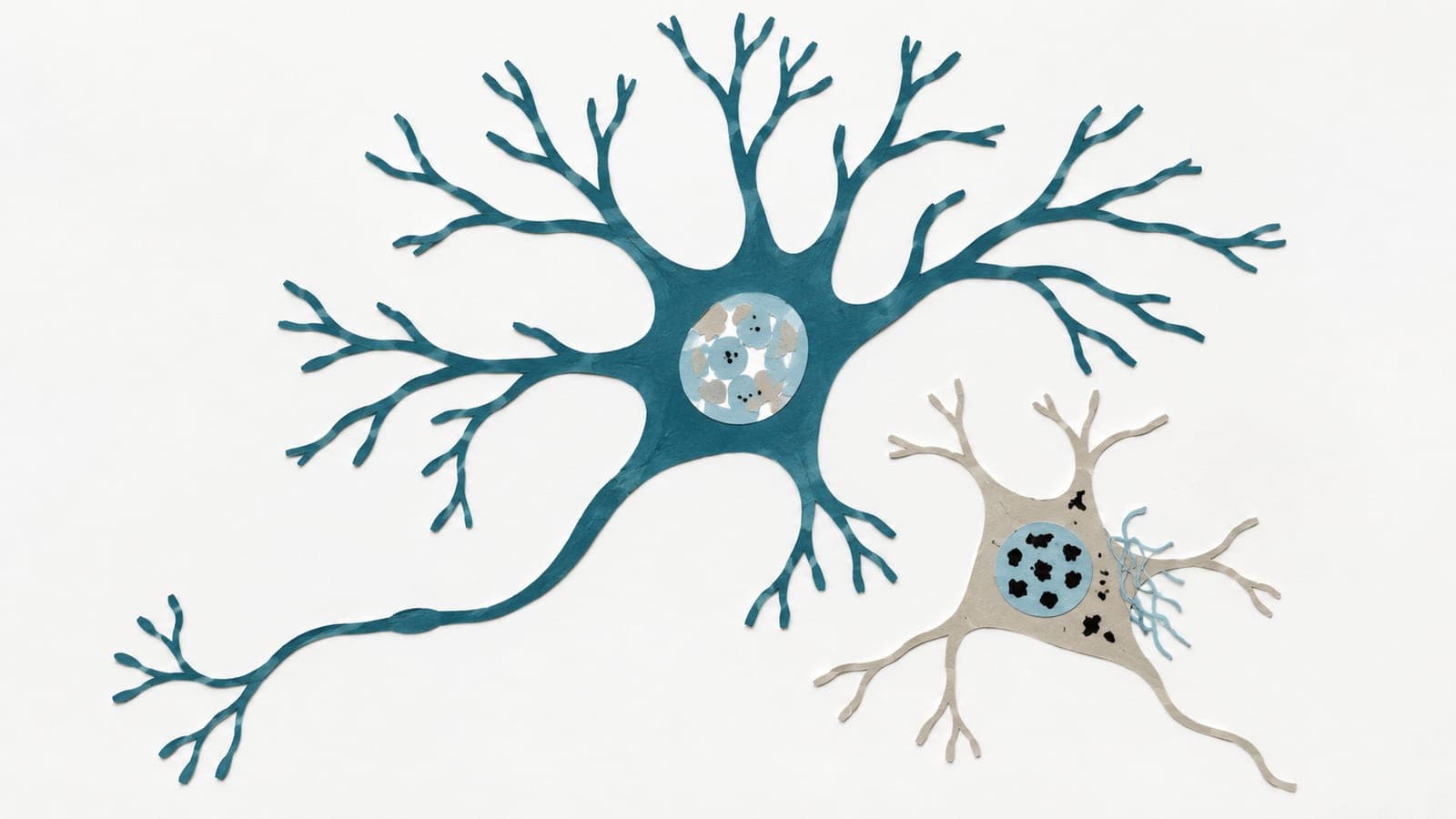
BACKGROUND: Ambystoma mexicanum is renowned for its extraordinary regenerative capacity. Regardless of whether progenitor cells arise via dedifferentiation or stem cell activation, these cells must replicate DNA to proliferate before they ultimately differentiate. This rapid cell division increases the likelihood of DNA damage, requiring efficient repair mechanisms. RESULTS: We focused on the non-homologous end joining pathway, responsible for repairing double-strand DNA breaks, and investigated the effects of 2 key components-KU70/80 and LIGIV- using chemical inhibitors STL127705 and SCR130, respectively. We assessed the impact of these inhibitors on axolotl limb regeneration, finding that treatment with the LIGIV inhibitor (SCR130) led to a positive growth trend in the regenerated area. Histological analysis of re-amputated limbs revealed no major morphological differences between treated and control animals. However, we observed a significant increase in the number of senescent cells in the regenerated tissue after KU70/80 inhibition (STL127705) at 32 days post-amputation, suggesting that DNA repair inhibition may promote senescence. Furthermore, we detected a dose-dependent increase in DNA damage, indicated by the γH2AX(Ser139) signal, specifically in cells' nuclei within the regenerated tissues. CONCLUSIONS: These findings suggest that DNA repair inhibition impacts regeneration, potentially through mechanisms linked to cellular senescence and DNA damage accumulation.
The paper
Instituto Politécnico Nacional
Developmental Dynamics, 19 Mar 2026