Delaying cardiac aging: potential mechanisms centered on PANoptosis and targeted intervention strategies
Abstract
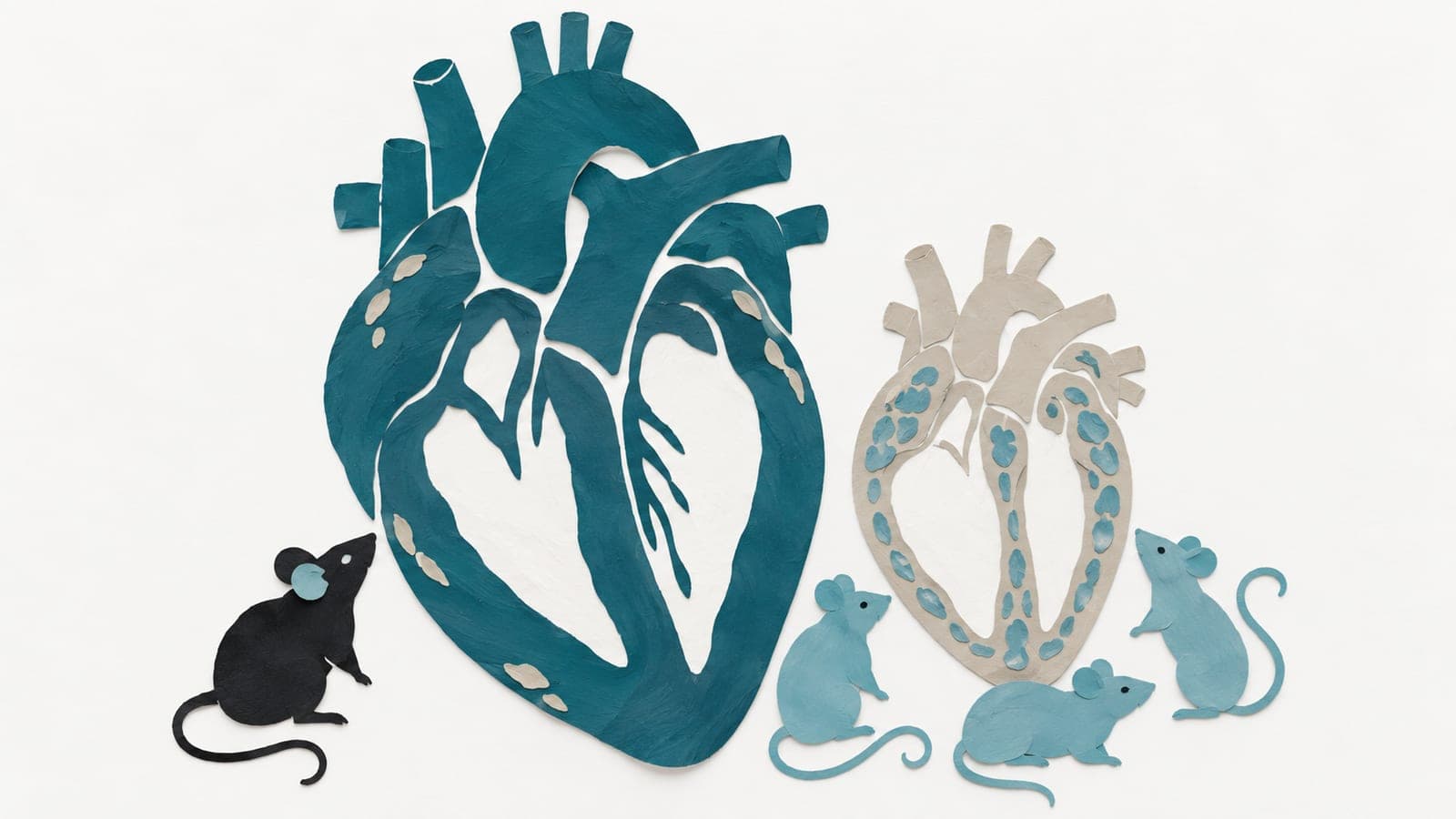
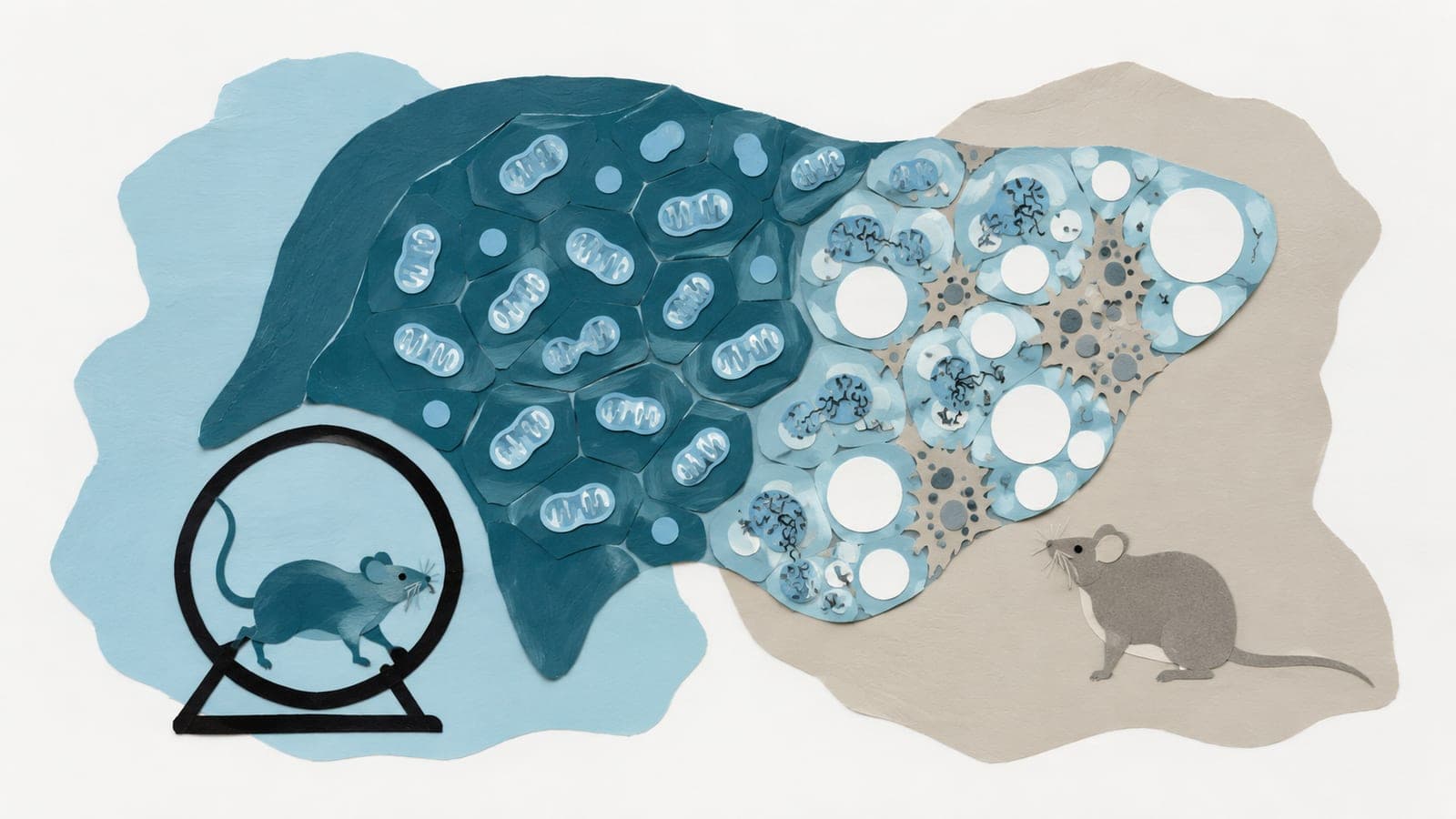
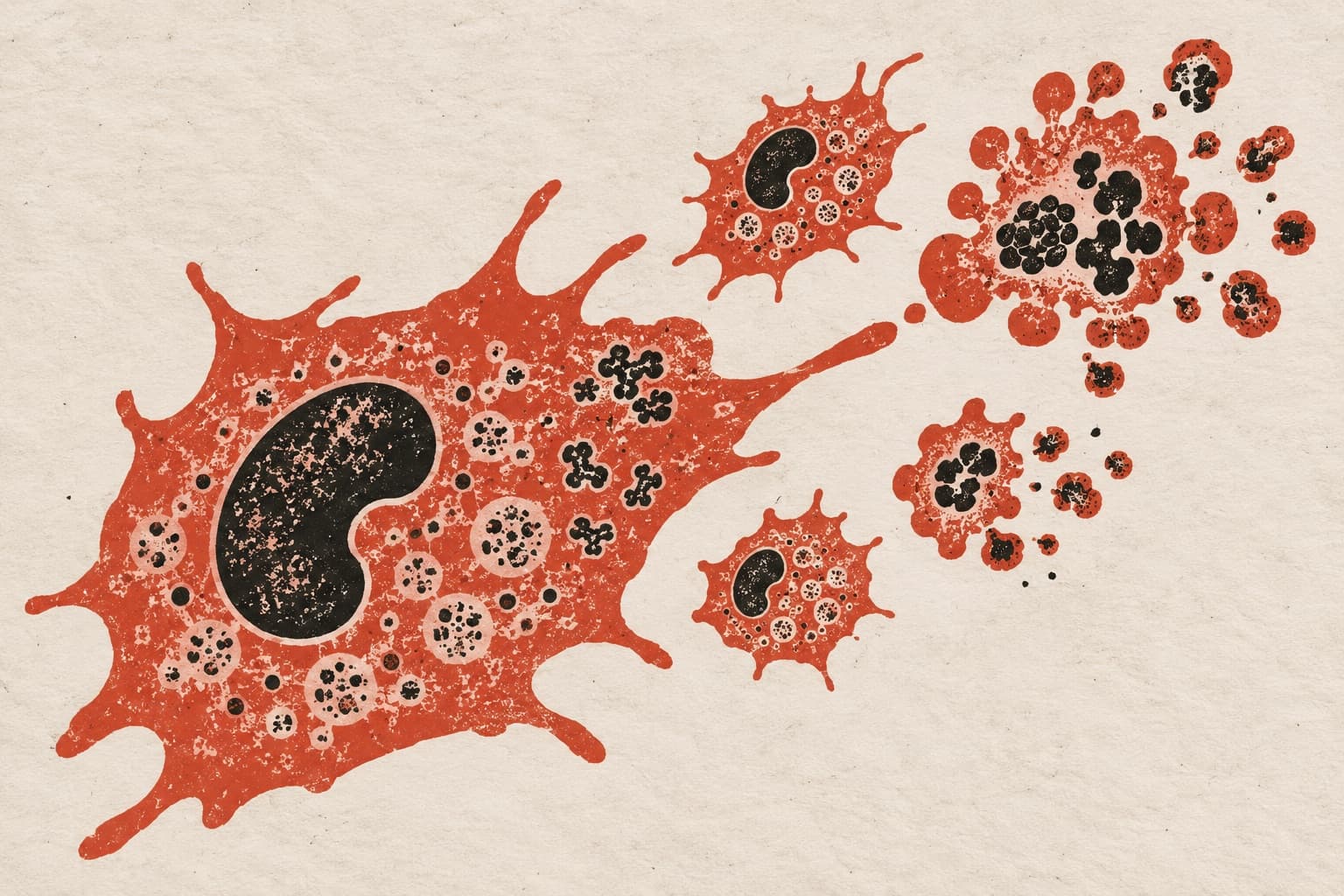
As the vital power organ of the human body, the health of the heart directly determines an individual's quality of life and longevity. With the accelerating global aging population, cardiac aging-related diseases have become a major public health threat. Although existing interventions (e.g., senolytics) can delay cardiac aging to some extent, their efficacy remains limited, necessitating the exploration of novel mechanisms to develop more effective therapeutic strategies. In recent years, PANoptosis-an integrated cell death pathway-has emerged as a new research focus in cardiac aging. It may contribute to cardiac functional decline by accelerating cardiomyocyte loss, fibrosis, and chronic inflammation. Targeting PANoptosis-based intervention strategies (e.g., gene editing, RNAi, combination therapy, and novel delivery systems) has demonstrated significant therapeutic potential, offering new preclinical avenues to delay or alleviate cardiac aging. This review summarizes the molecular mechanisms and roles of PANoptosis in cardiac aging, including its regulatory networks, key evidence driving cardiac aging, and targeted intervention strategies, thereby providing a theoretical foundation for developing PANoptosis-targeted therapies against cardiac aging.
The paper
Southwest Medical University
Frontiers in Cardiovascular Medicine, 24 Feb 2026