Nicotinamide Mononucleotide Improves High-Fat Diet-Induced Myocardial Damage of Aging Mice through the Sirt3/PINK1/Parkin Signaling Pathway
7 months
Abstract
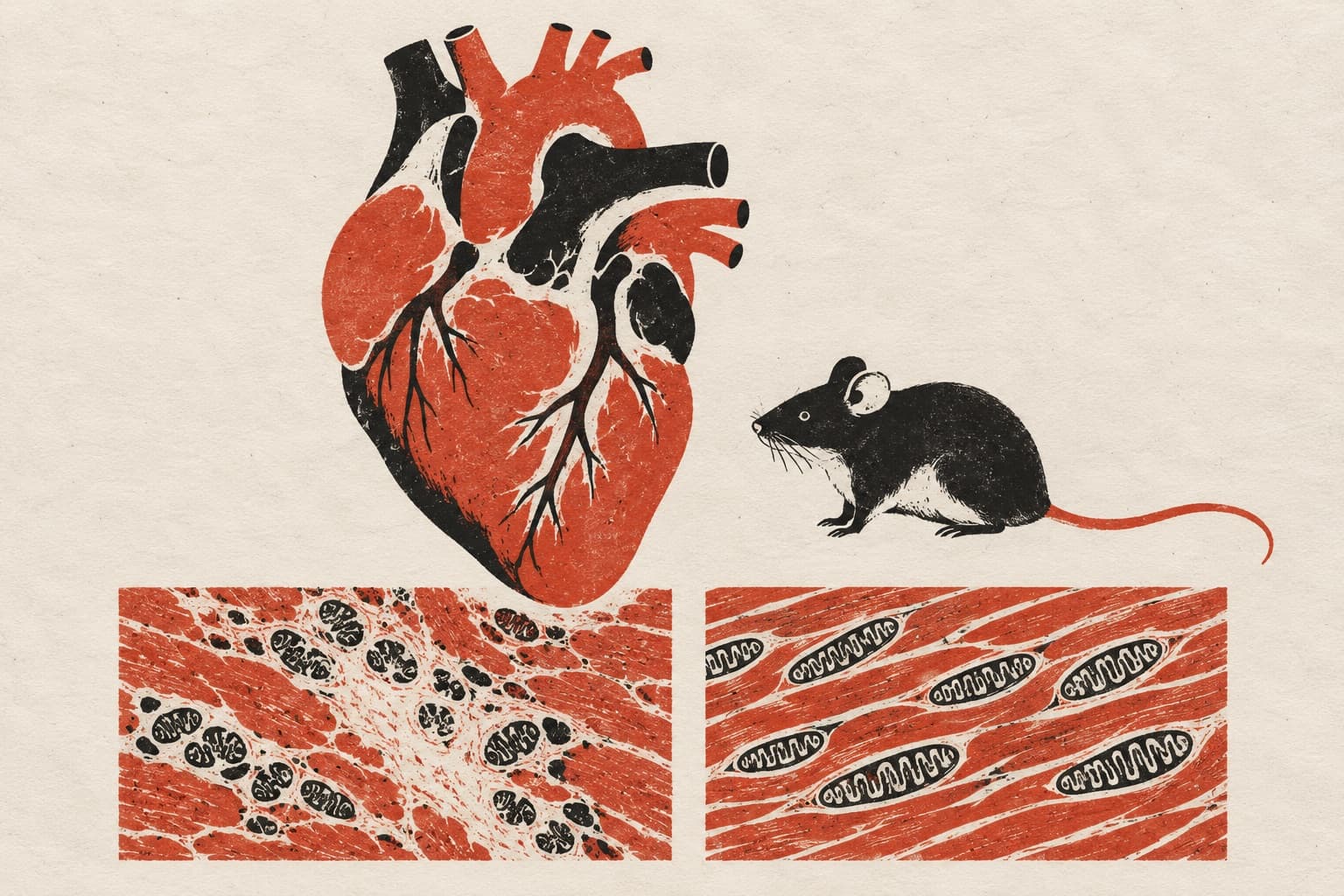
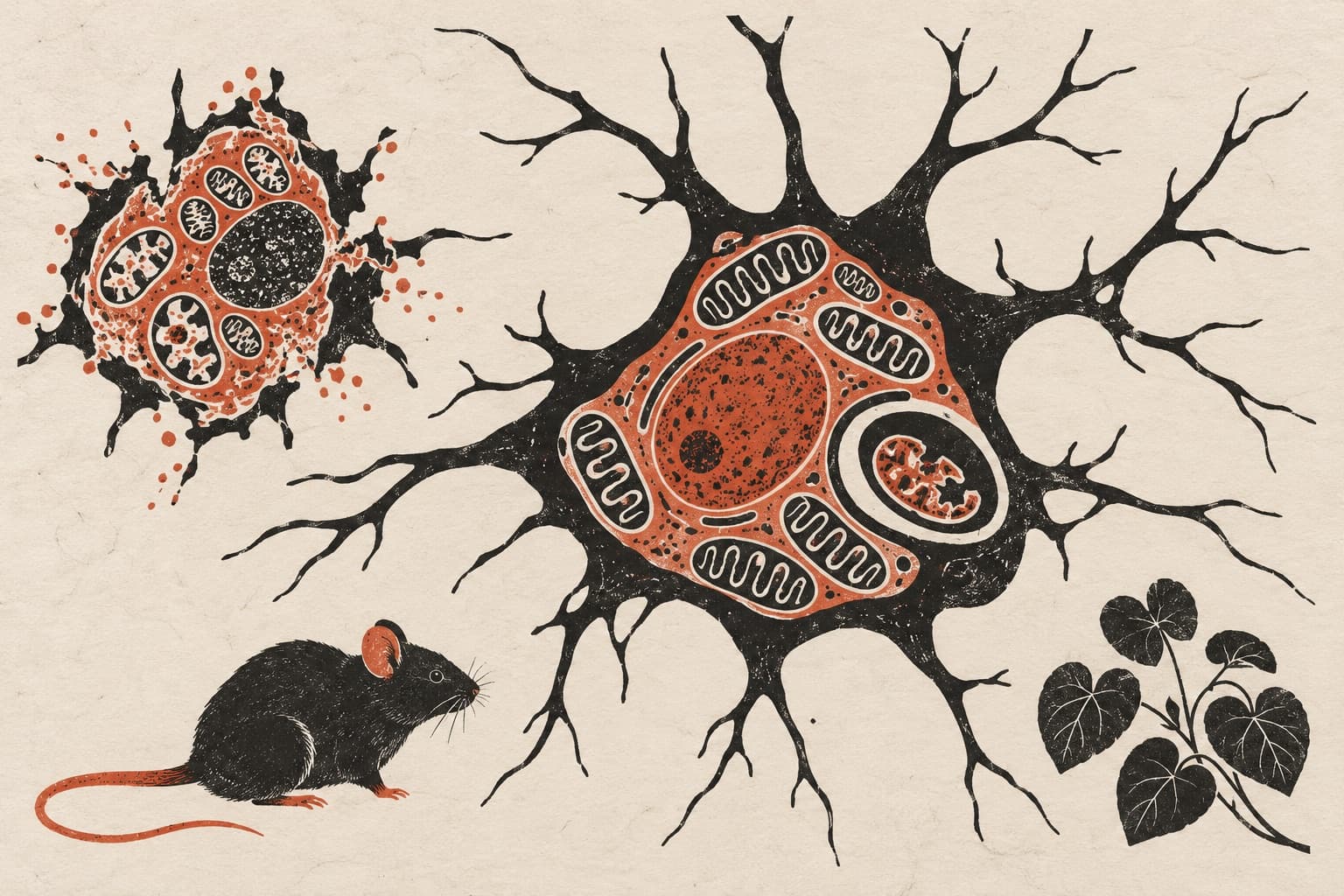
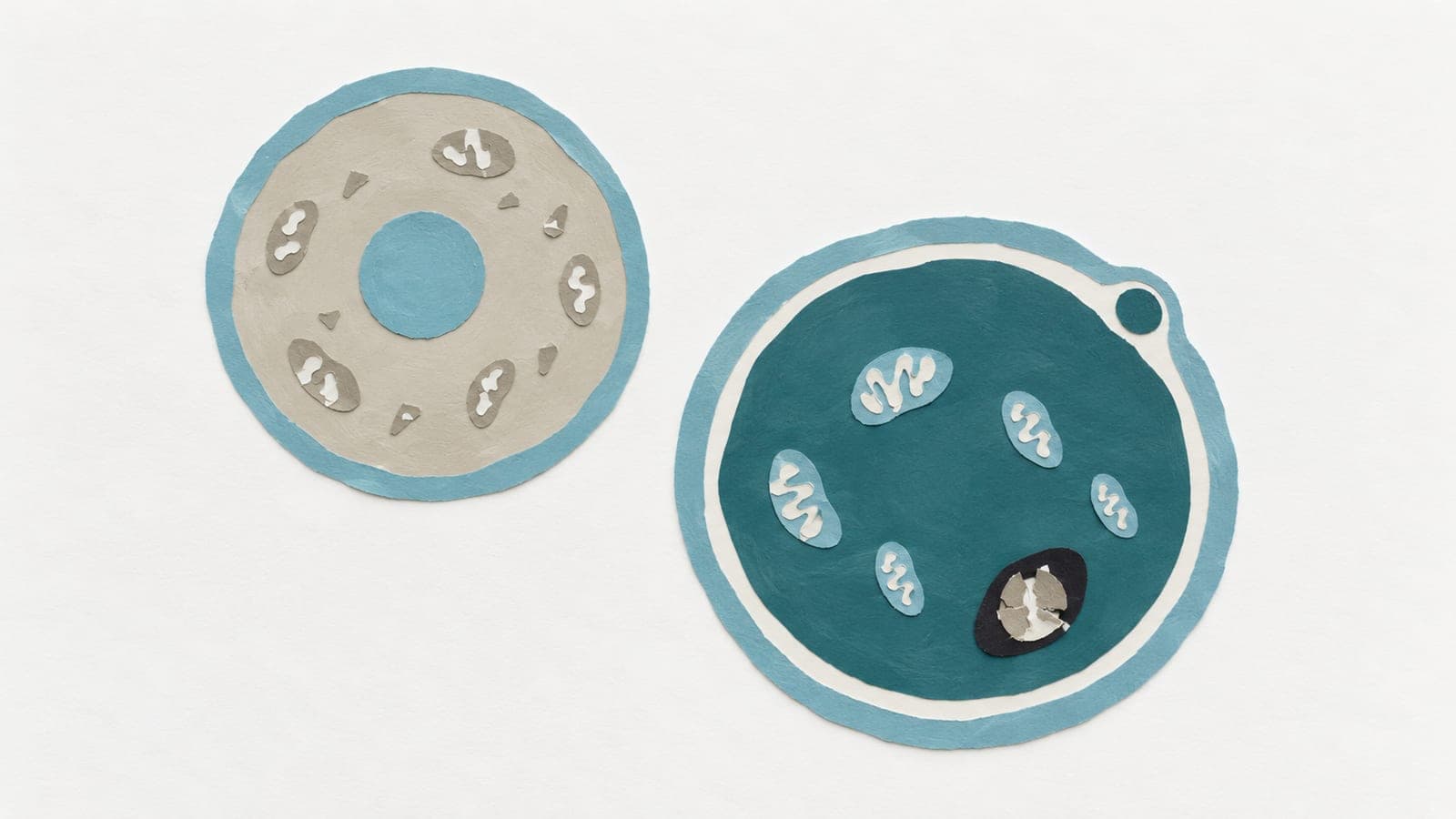
BACKGROUND: Long-term high-fat diet (HFD) consumption is associated with the development of metabolic cardiomyopathy and contributes to accelerated cardiac aging. Nicotinamide mononucleotide (NMN), a key NAD⁺ precursor, has shown promise in ameliorating age-related cardiac decline, but its mechanisms are not fully understood. OBJECTIVE: To investigate the protective effects of nicotinamide mononucleotide (NMN) against high-fat diet-induced myocardial injury and elucidate the underlying molecular mechanisms. METHODS: Male C57BL/6J mice (14-month-old) were assigned to 3 groups: normal diet, HFD, and HFD + NMN. NMN was added to their drinking water at a dose of 400 mg/kg for 7 mo. Cardiac tissues were collected and analyzed using hematoxylin and eosin staining, Masson's trichrome staining, Western blotting, quantitative real-time polymerase chain reaction, and immunohistochemistry. In vitro, H9c2 cardiomyocytes were exposed to palmitic acid (PA) to establish a lipotoxicity model, and the effects of NMN on cell viability and autophagy flux were assessed by the Methyl Thiazol Tetrazolium (MTT) assay and mRFP-GFP-LC3 adenoviral transfection. RESULTS: Compared with the HFD group, NMN treatment significantly reduced the heart index, ameliorated myocardial fibrosis, and decreased the expression concentrations of senescence-associated secretory phenotype markers (Serpine1, MMP3, CXCL-1, CXCL-10, and P16; P < 0.05), senescence markers (P21 and β-galactosidase (β-gal); P < 0.01), proinflammatory cytokines [interleukin (IL)-1β and tumor necrosis factor α; P < 0.05], and apoptotic indicators (Bax/Bcl-2 ratio and cleaved caspase-3; P < 0.01). Conversely, NMN treatment upregulated the concentrations of anti-inflammatory factor IL-10 (P < 0.01) in cardiac tissue. Furthermore, NMN treatment increased protein concentrations of Sirt3, PINK1, and Parkin (P < 0.01), and enhanced autophagy-lysosomal markers, including LC3-II/LC3-I ratio and transcription factor EB (TFEB) (P < 0.05), and decreased p62 concentrations (P < 0.01) in cardiac tissue. In H9c2 cardiomyocytes, NMN treatment significantly attenuated PA-induced cytotoxicity (P < 0.01) and enhanced PA-induced impairment of autophagy flux. Notably, these protective effects were abolished by cotreatment with 3-TYP, a selective Sirt3 inhibitor. CONCLUSIONS: NMN alleviates HFD-induced myocardial damage in aging mice by activating the Sirt3/PINK1/Parkin signaling pathway and enhancing autophagy-lysosomal function. These findings indicate that NMN is a promising therapeutic candidate for the treatment of metabolic cardiomyopathy.
The paper
Wuhan University of Science and Technology; Wuhan Third Hospital
The Journal of Nutrition, 26 Feb 2026