The role of cognitive reserve on successful aging in community-dwelling older adults
Abstract
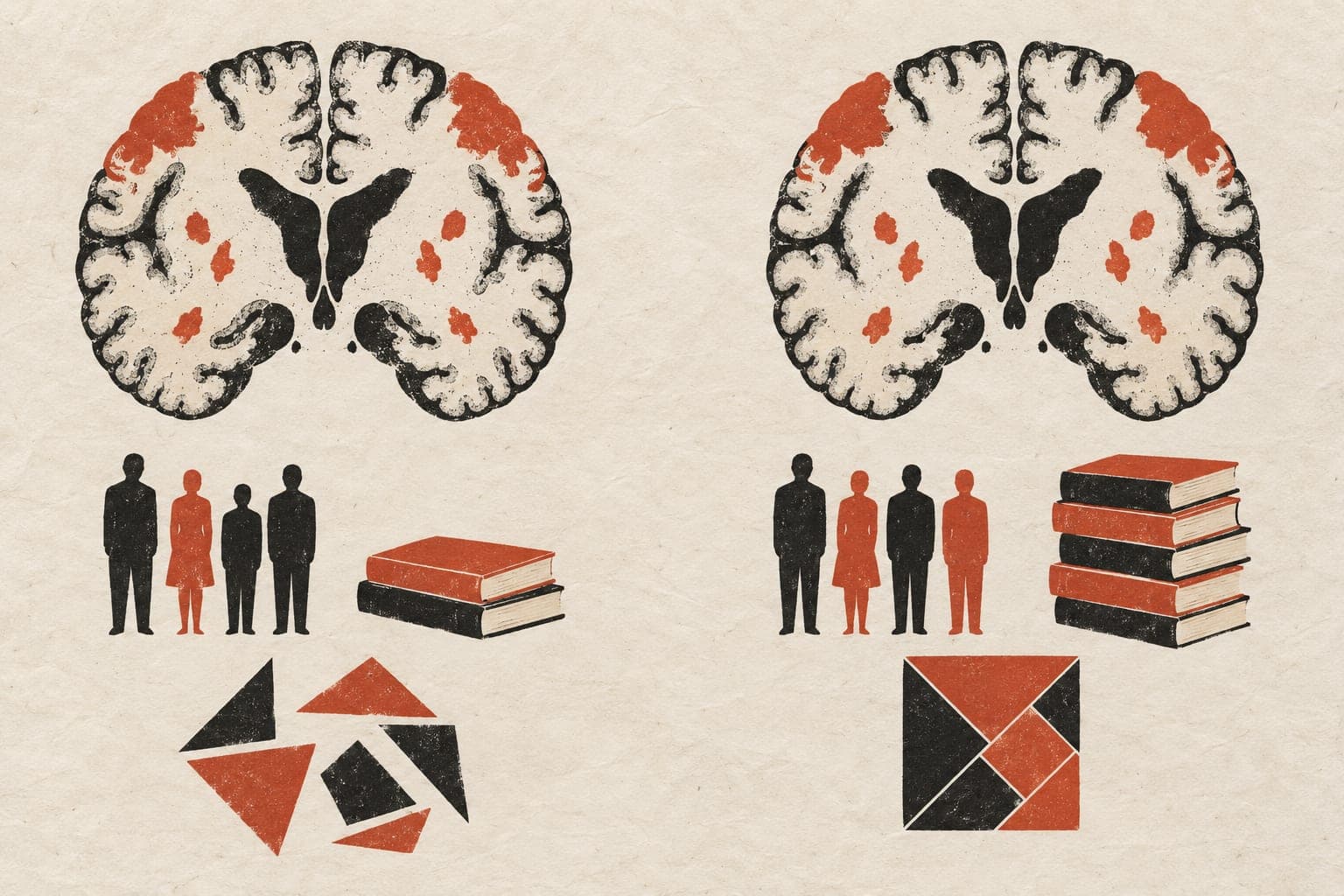
OBJECTIVE: To analyze the role of cognitive reserve (CR) in successful aging among community-dwelling older adults. METHOD: A random sample of n = 456 adults aged 60 years and older (mean age = 72.6, SD = 7.89; 59% women) was evaluated. CR was measured through indicators such as education, lifelong learning, bilingualism, participation, and the use of information and communication technologies (ICT). Successful aging was operationalized as the absence of major diseases and disabilities, good physical and cognitive functioning, and active engagement. Sociodemographic and health data were collected. Descriptive analyses, correlations, and multivariate analyses of variance were conducted to explore the effect of CR on successful aging and its criteria. RESULTS: Successful aging was observed in 12.1% of participants and was associated with differences in ICT use, social participation, bilingualism, and lifelong occupation. Cognitive reserve explained 20.1% of the variance, showing stronger effects on absence of major disease and life engagement, moderate effects on physical and cognitive functioning, and no significant association with independence in instrumental activities of daily living. CONCLUSIONS: Cognitive reserve was significantly associated with successful aging, representing a key target for cognitive interventions not only to prevent cognitive decline but also to promote successful and healthy aging among older adults.
- Bilingualism
- Education
- Information and communication technologies use
- Social participation
- Cognitive reserve
- Humans
The paper
Universidad de Guadalajara
Applied Neuropsychology Adult, 15 Feb 2026