Physical exercise and health-related quality of life in mid- to late-adulthood: a multi-group chain-mediation analysis
Abstract
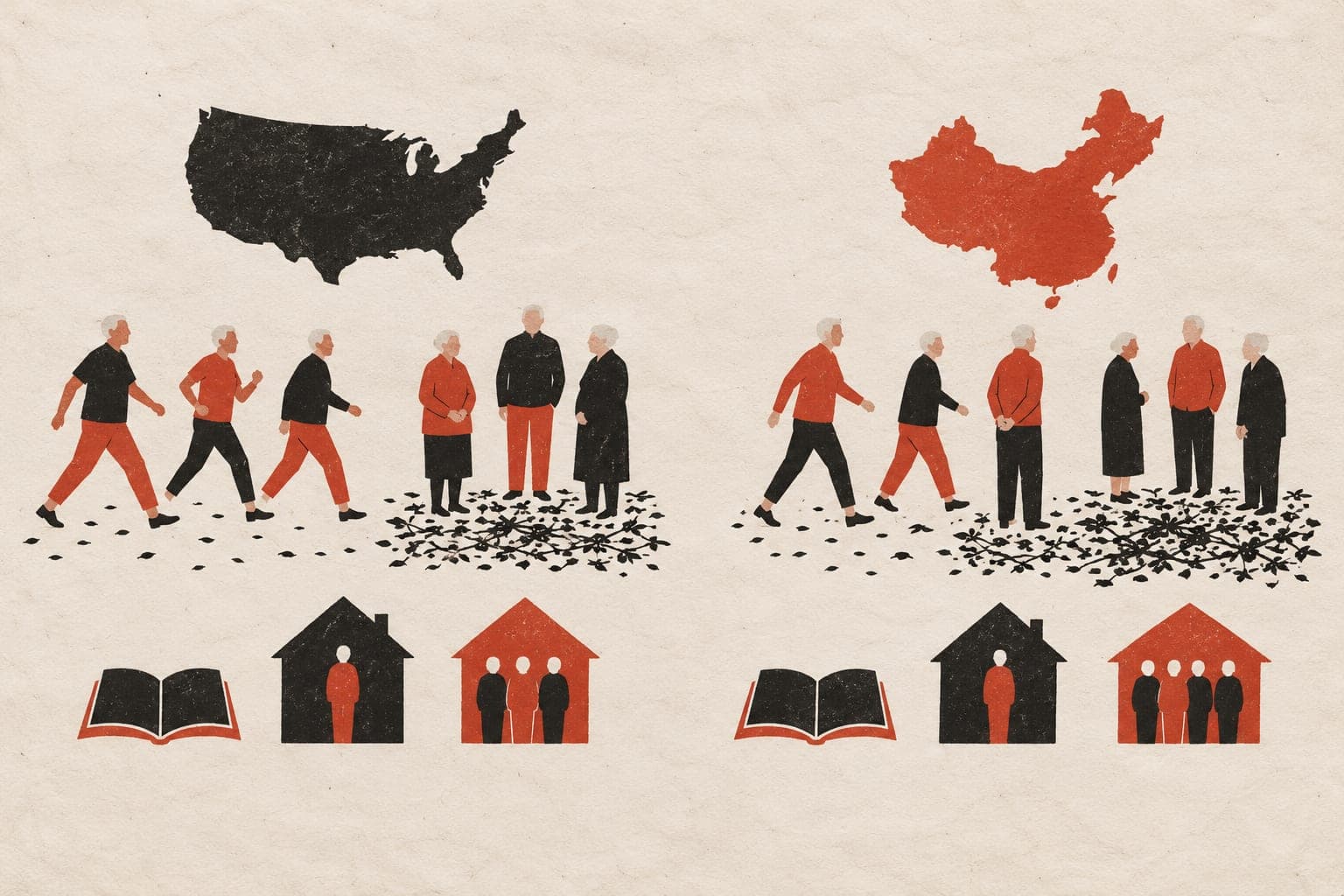
BACKGROUND: As longevity rises in China, supporting healthy ageing has become imperative. However, the psychological pathways linking physical exercise to health-related quality of life (HRQOL), and whether they differ by gender, remain insufficiently understood. METHODS: Using data from 762 adults aged 45 + in Shandong and Hunan, we examined how physical exercise relates to HRQOL and whether psychological resources explain this link. A cross-sectional survey was analyzed with confirmatory factor analysis and structural equation modeling. Bias-corrected bootstraps were used to test indirect and sequential pathways, and multiple-group models compared men and women. RESULTS: Physical exercise showed a positive direct association with HRQOL. This association was jointly mediated by self-esteem and psychological resilience, with the mediators operating both independently and sequentially. The overall pattern was broadly comparable across genders; however, the direct association was stronger among men (β = 0.315) than among women (β = 0.115). CONCLUSION: The findings clarify cognitive-affective mechanisms connecting activity to later-life wellbeing and indicate that combining regular exercise with programs that foster self-esteem and psychological resilience is associated with health-related quality of life among middle-aged and older adults. Combining opportunities for regular exercise with programs that cultivate self-esteem and resilience could be an efficient avenue for enhancing HRQOL among middle-aged and older adults.
The paper
Soochow University; Central China Normal University
Frontiers in Psychology, 27 Jan 2026