DHODH inhibition impairs mitochondrial function and extravillous trophoblast invasion: Protective roles of quercetin and riboflavin
Abstract
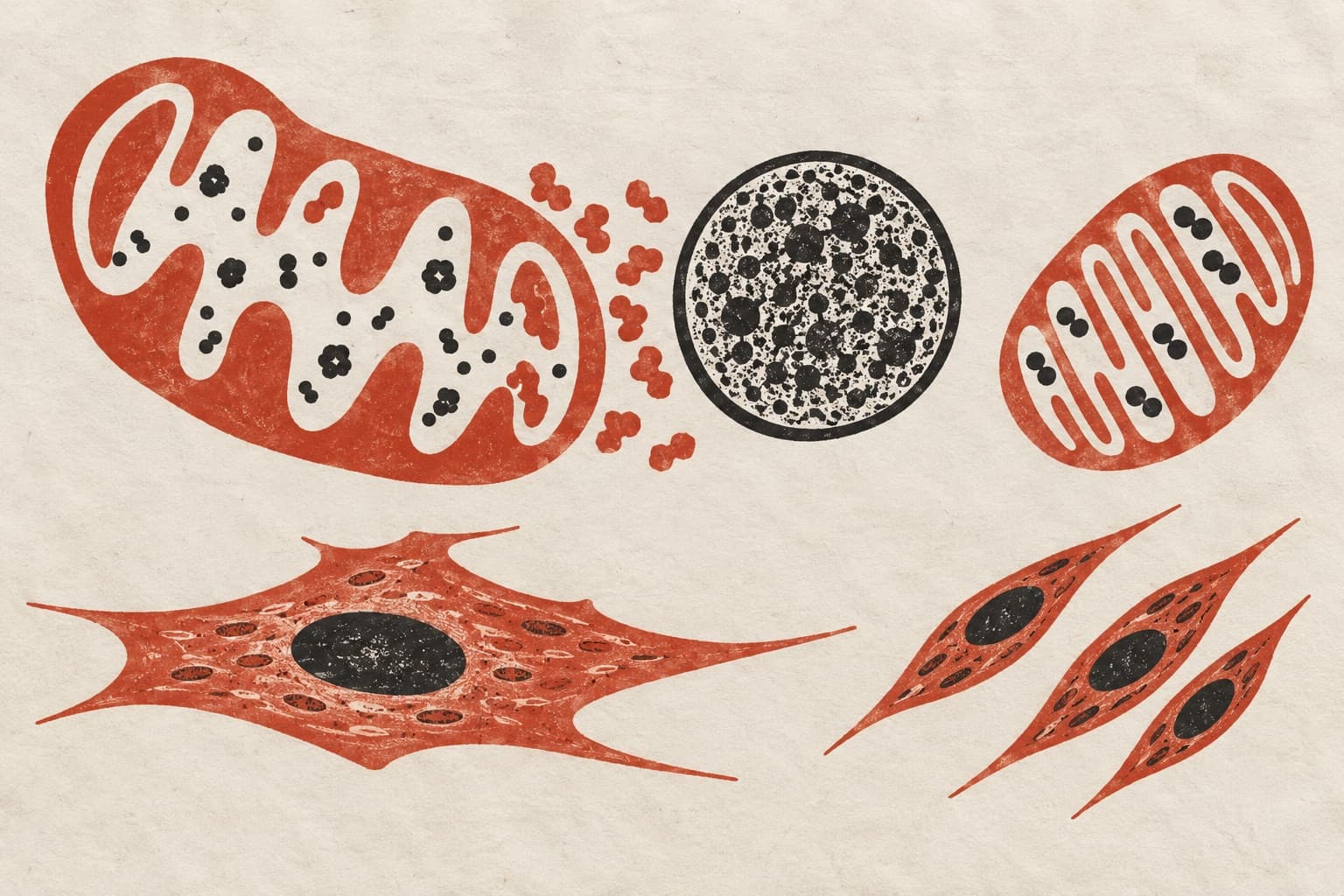
Hypertensive disorders of pregnancy (HDPs) are serious complications that pose significant risks to both maternal and fetal health. In HDP, placental circulatory impairment is generally attributed to defective differentiation and invasion of the human extravillous trophoblasts (EVTs). Our previous RNA-seq analysis of placentas from early-onset HDP patients revealed decreased expression of dihydroorotate dehydrogenase (DHODH), a mitochondrial enzyme involved in pyrimidine biosynthesis. DHODH inhibition is hypothesized to induce mitochondrial dysfunction. In this study, we investigated whether DHODH inhibition affects mitochondrial homeostasis and invasive capacity in EVT cell line. Selective DHODH inhibitors resulted in decreased mitochondrial membrane potential, upregulation of mitochondrial degradation factors, and mitochondrial fragmentation. Inhibition of DHODH or mitochondrial complexes I, II, and IV led to impaired cell invasion, accompanied by an increase in SA-β-gal-positive senescent cells. Treatment with quercetin or riboflavin, enhancers of mitochondrial ATP functions, partially restored invasive capacity and reduced senescent cell accumulation under mitochondrial stress conditions. Thus, DHODH inhibition in EVTs induces cellular senescence and diminished capacity for invasion. Mitochondrial activators such as quercetin and riboflavin may hold therapeutic promise for ameliorating the pathology of HDPs.
The paper
Tokyo University of Pharmacy and Life Sciences
Journal of Pharmacological Sciences, 9 Jan 2026