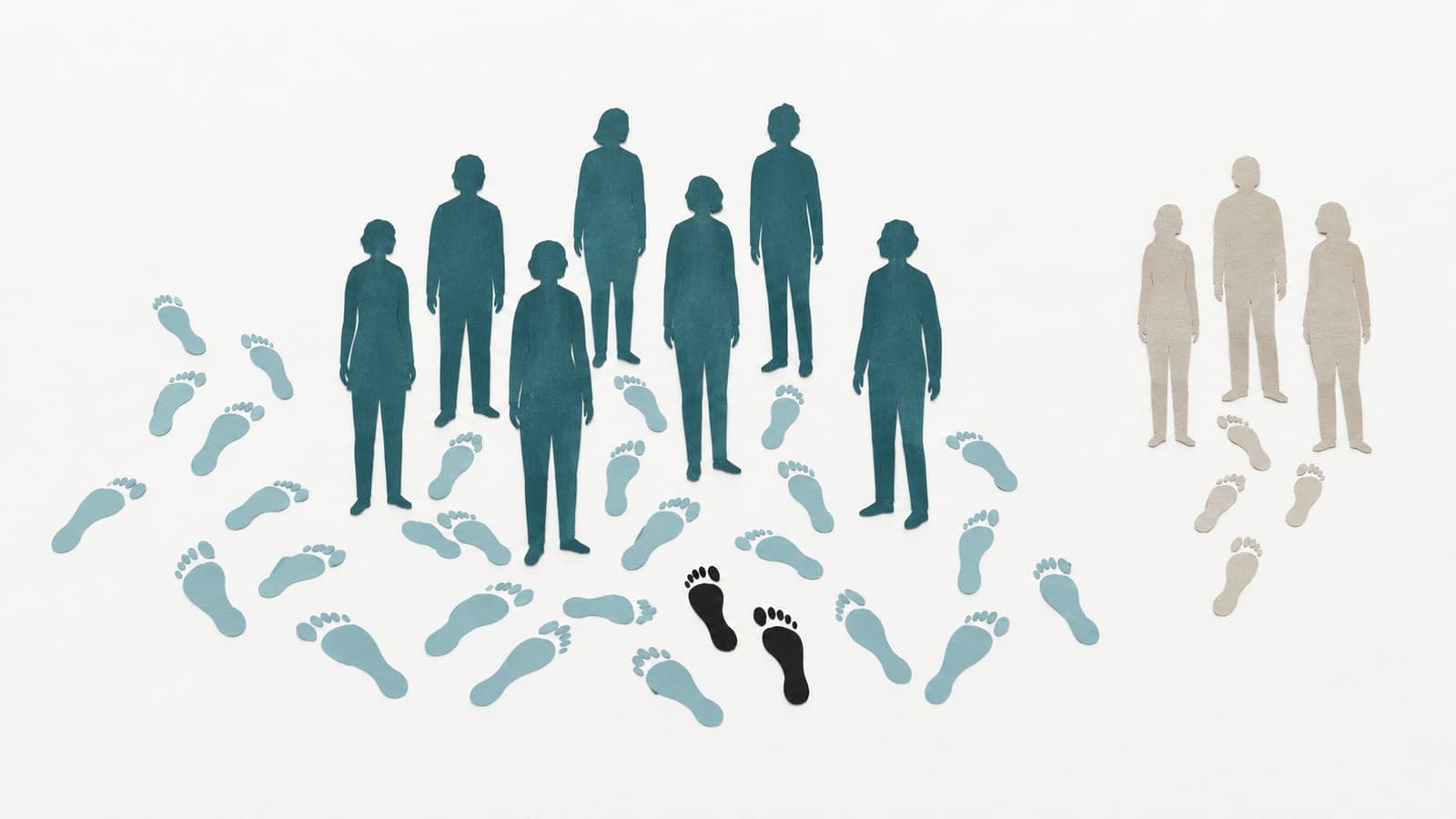
Health-related quality of life and associated factors among older refugees from Nagorno-Karabakh residing in Kotayk province of Armenia
Abstract
INTRODUCTION: This study aimed to explore factors associated with health-related quality of life (HRQoL) among refugees aged 50 years and older from Nagorno-Karabakh residing in Armenia. METHODS: We used a structured interviewer-administered questionnaire to collect data on socio-demographic characteristics, presence of non-communicable diseases (NCDs), visual impairment (VI), eye diseases, smoking, sleep disorders, HRQoL, and healthcare utilization in a sample of 197 participants. The Short-Form Health Survey (SF-36) questionnaire was used to measure the physical health component (PHC) and mental health component (MHC) of HRQoL. A comprehensive ophthalmic examination was carried out. RESULTS: The mean age of participants was 64.84 (SD = 9.28), with 65.48% being female. The mean MHC and PHC scores were 59.37 (SD = 20.04), and 59.4 (SD = 20.1) to 63.57 (SD = 26.28), respectively. Hypertension, bone/joint diseases, and heart diseases were the most frequently reported diseases in our sample. In the adjusted linear regression analysis, age, sleep disorders, respiratory diseases, bone/joint diseases, and diabetes were significantly associated with both PHC and MHC scores of SF-36. Heart disease was associated with PHC only. Having more than one NCD was negatively associated with PHC and MHC. In the domain specific adjusted analysis, bone/joint diseases and diabetes, were significantly associated with physical functioning, general health, and energy/fatigue domains of the PHC and MHC components of HRQoL. CONCLUSION: Governmental support and interventions targeting older refugees and those with more than one NCD and sleep disorders may be beneficial. Follow-up assessments should monitor variations in both PHC and MHC scores among refugees, as they may vary over time in response to the challenges associated with displacement.
The paper
American University of Armenia
Frontiers in Public Health, 12 Jan 2026, Open access