Persistent loneliness linked to frailty in older Chinese adults
Persistently high loneliness was associated with 3.989 times the adjusted odds of developing frailty compared with consistently low loneliness over seven years.
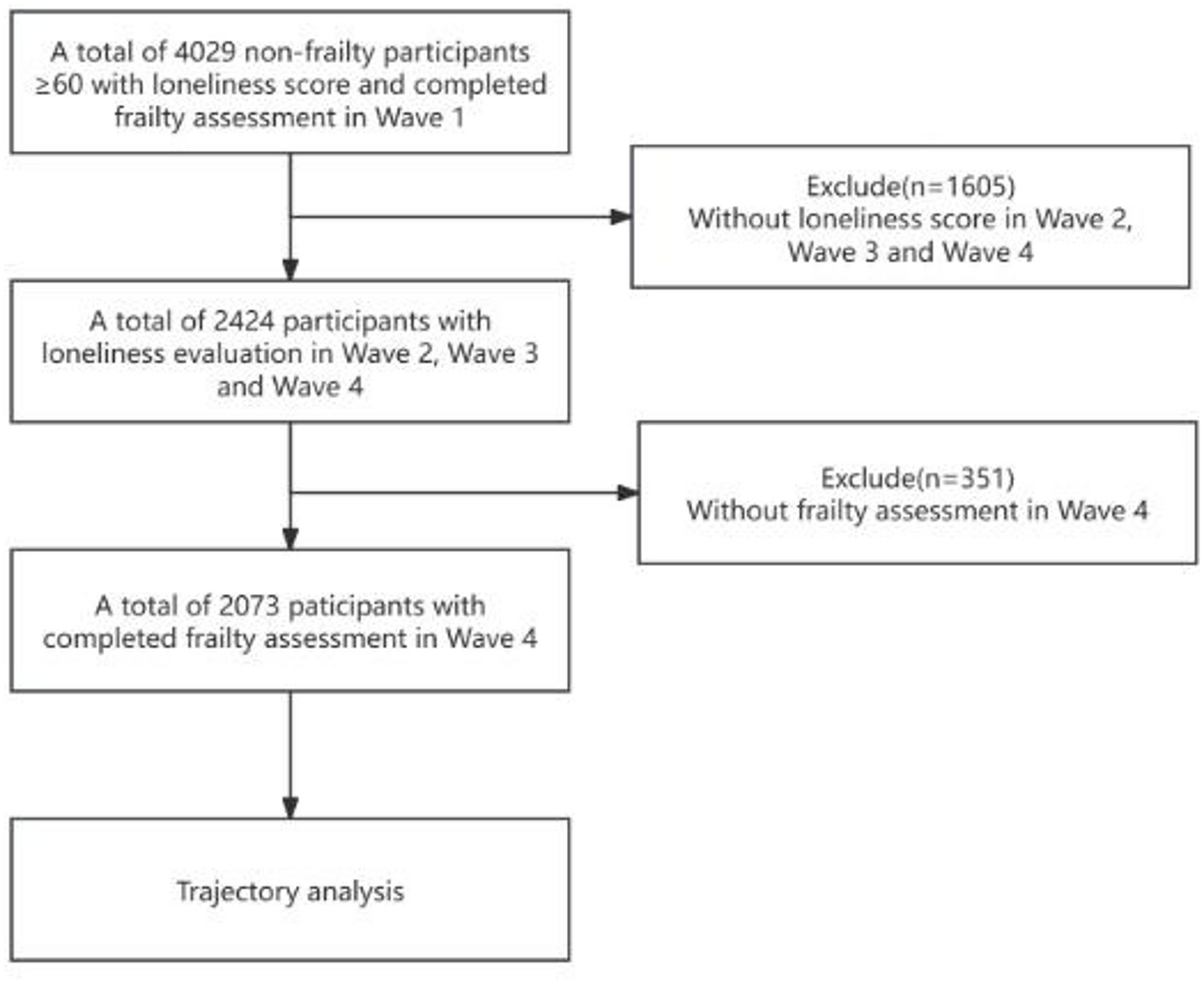
An observational cohort study followed 2,073 community-dwelling Chinese adults aged 60 or older who were not frail at the start. Researchers assessed loneliness with a single question at four assessments between 2011 and 2018. They identified five patterns: consistently low, increasing, decreasing, fluctuating and persistently high loneliness. They measured frailty, a state of heightened vulnerability due to age-related decline, using a 31-item index.
Over seven years, 510 participants (24.6%) developed frailty. After accounting for social and demographic factors, health behaviours, existing conditions and initial health status, increasing, fluctuating and persistently high loneliness remained associated with higher odds of developing frailty than consistently low loneliness. The decreasing loneliness pattern was not associated with higher odds.
Why it matters
Frailty involves age-related decline across several body systems. The study raises the question of whether reducing loneliness and strengthening social engagement might help limit frailty in later life.
Caveats
This observational study cannot show that loneliness caused frailty, and it assessed loneliness with a single question. The findings concern initially non-frail, community-dwelling Chinese adults aged 60 or older with complete data.
The paper
Chinese Academy of Medical Sciences & Peking Union Medical College
BMC Geriatrics, 13 Oct 2026, Open access, CC BY-NC-ND