Insulin-like growth factor 2 mRNA-binding Protein 2 regulates PINK1 expression through m⁶A pathway to promote mitophagy in BMSCs alleviating postmenopausal osteoporosis
Abstract
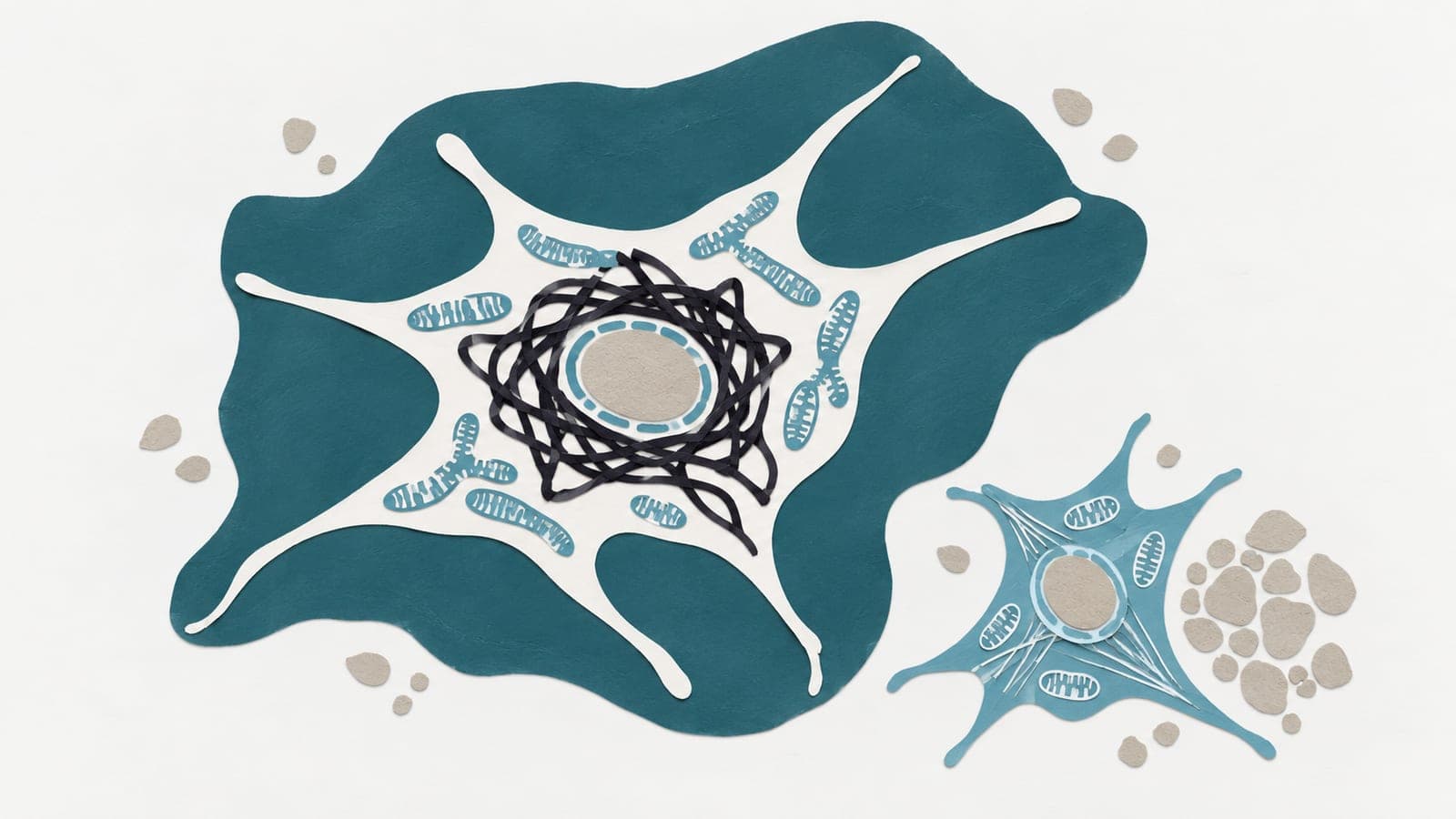
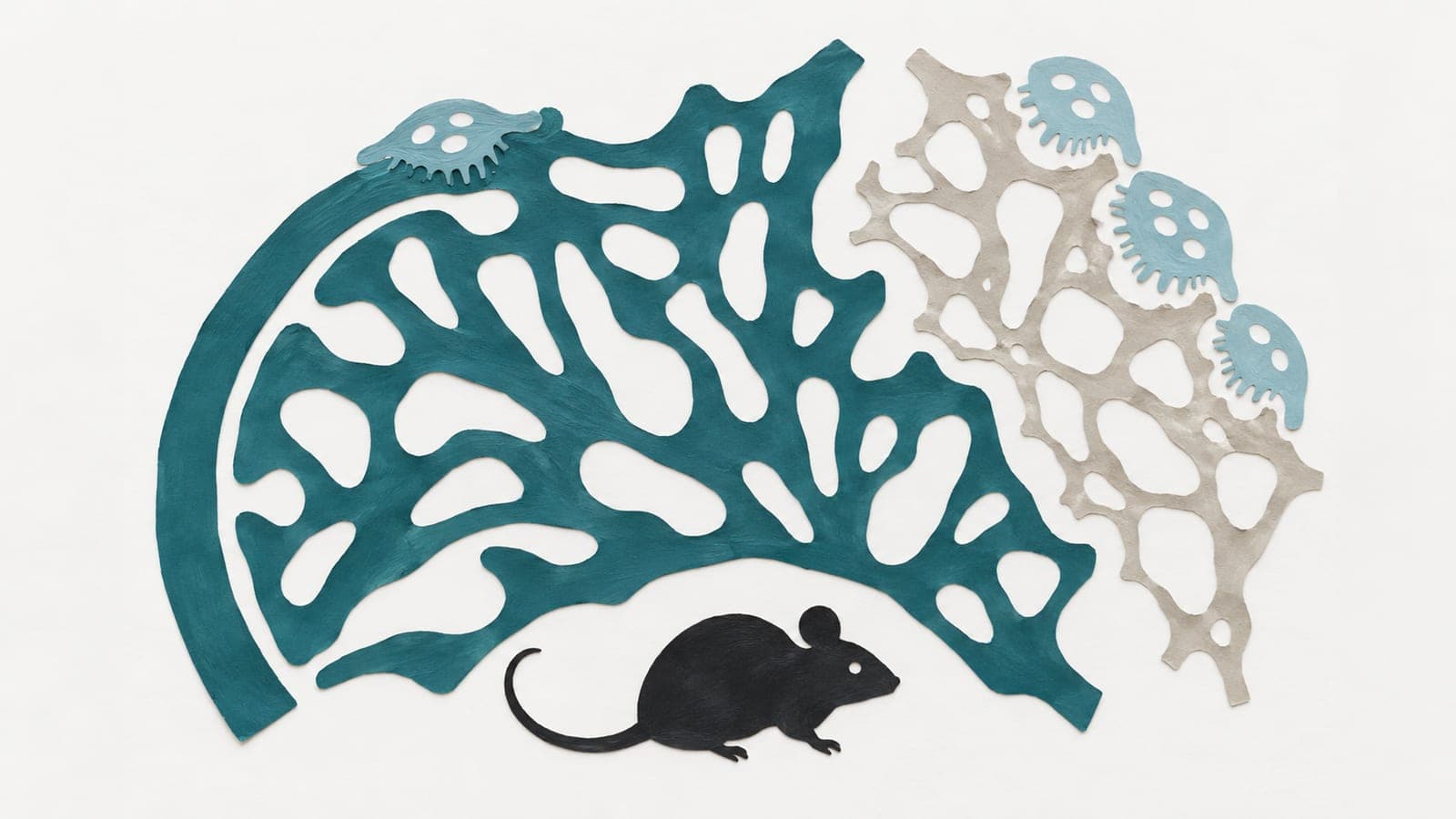
The senescence and altered differentiation potential of bone marrow mesenchymal stem cells (BMSCs) contribute to the pathogenesis of postmenopausal osteoporosis (PMOP). Insulin-like growth factor 2 mRNA-binding protein 2 (IMP2) has been demonstrated to regulate BMSCs. However, its specific mechanistic actions remain unclear, particularly due to the lack of concrete evidence within the ovariectomy (OVX) in vivo microenvironment. In this study, we utilized Cre-LoxP technology to achieve BMSC-specific IMP2 knockout. This approach conclusively demonstrated in vivo that IMP2 deficiency induces BMSC senescence, suppresses osteogenic differentiation capacity, and leads to significant bone mass reduction in mice. Under OVX condition, IMP2 knockout also aggravates bone loss. Mechanistically, we argued that IMP2 stabilizes PINK1 mRNA via the N6-methyladenosine (m⁶A) pathway; upon IMP2 silencing, reduced PINK1 protein expression attenuates mitophagy in BMSCs, ultimately culminating in accelerated cellular senescence and diminished osteogenic potential, with the postmenopausal environment further aggravating this cascade.
The paper
Shandong University
Free Radical Biology & Medicine, 23 Jan 2026