Dietary Lauric Acid Suppresses Inflammation, Cholestasis, Hepatocyte Injury, and Senescence in 3,5-Diethoxycarbonyl-1,4-Dihydrocollidine-induced Inflammatory Cholangiopathy
3 days
Abstract
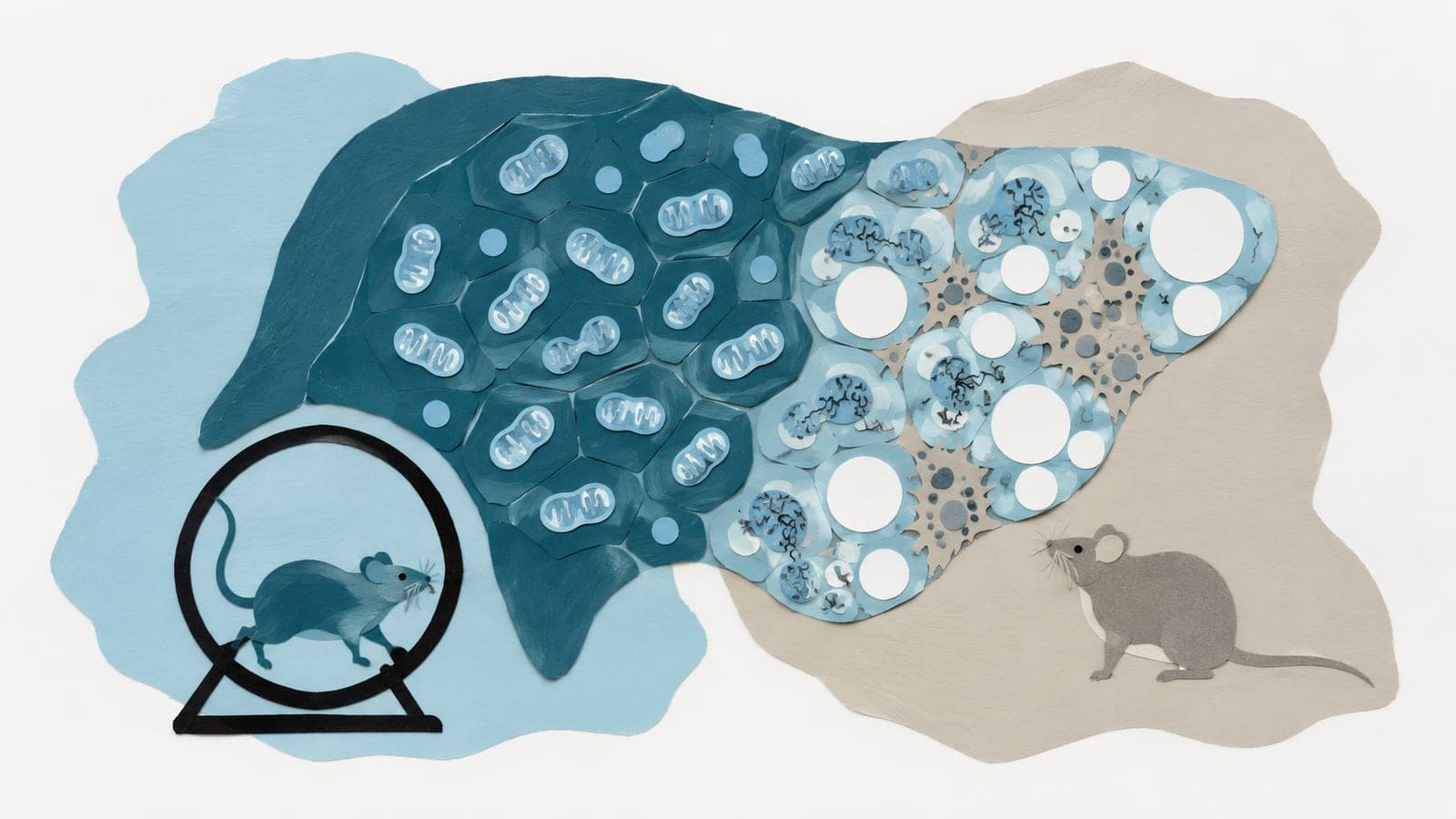
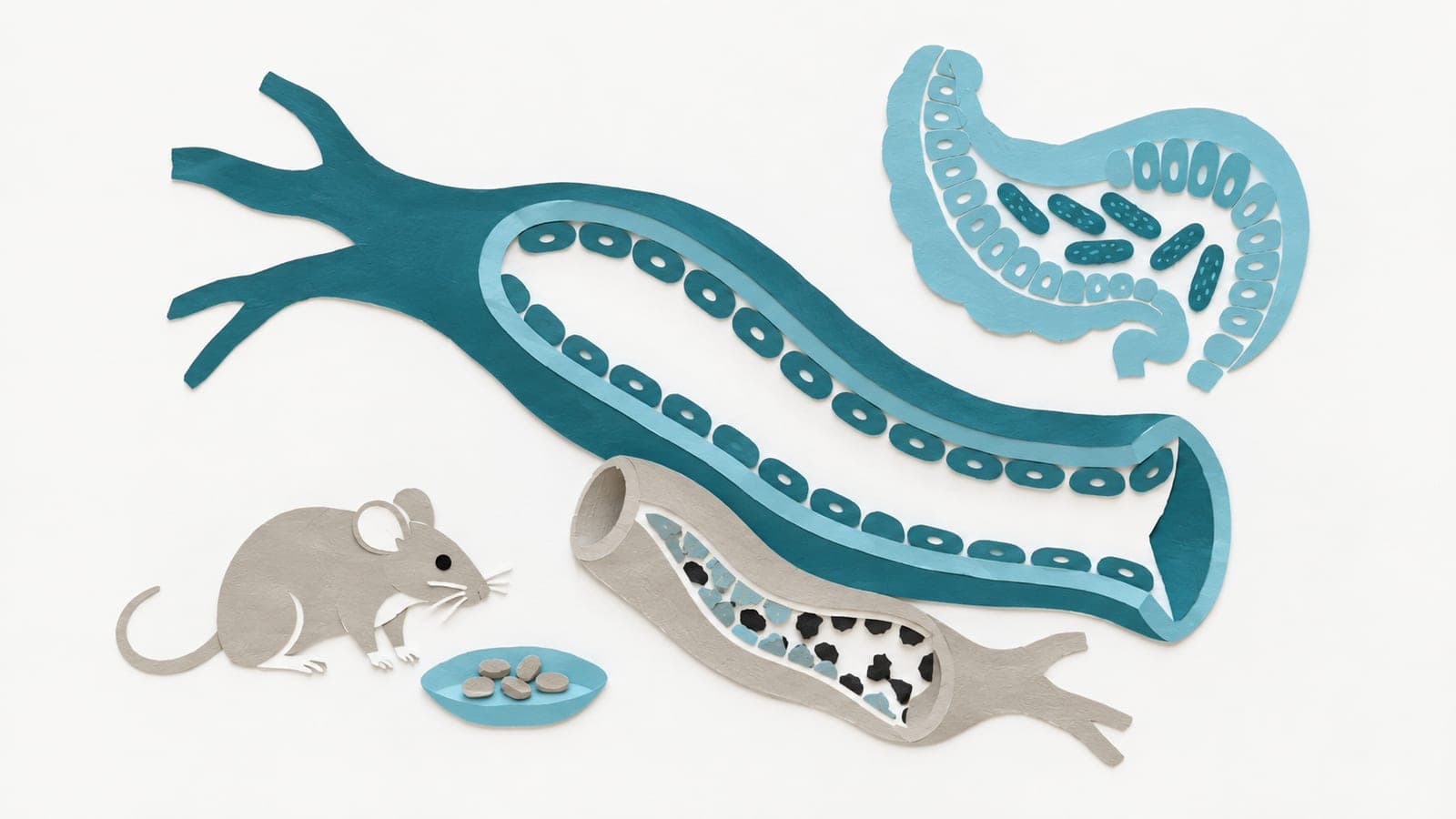
BACKGROUND & AIMS: Inflammatory cholangiopathies involve complex hepatic cell-cell interactions, contributing to inflammation, cholestasis, oxidative stress, senescence, and bile acid dysregulation. The objective of this proof-of-principle study was to examine the early-stage effects of lauric acid (LA), a dietary fatty acid and precursor of the liver receptor homolog 1 (LRH-1) agonist dilauroylphosphatidylcholine (DLPC), in a 3,5-diethoxycarbonyl-1,4-dihydrocollidine (DDC) diet-induced cholangiopathy model. METHODS: We employed a 3-day DDC diet in male C57/BL6 mice and supplemented it with 20% dietary LA. Liver, primary hepatocytes, and intrahepatic immune cells were analyzed for senescence, oxidative stress, and macrophage polarization. RESULTS: DDC mice showed elevated liver chemistries, hepatic inflammation (F4/80 histochemistry), ductular reaction, and increased hepatocyte senescence markers. Using liquid chromatography-mass spectrometry metabolomics, we found that DDC liver injury was marked by increased hepatic levels of hydrophobic bile acids and oxidative stress. LA restored bile acid homeostasis and Farnesoid X receptor-LRH-1 signaling in the liver and ileum, reduced oxidative stress, and normalized cholestasis-related gene expression in conjunction with improved liver injury, inflammation, and ductular reaction. DDC mice exhibited enhanced hepatocyte senescence (upregulated Cdkn1a, Cdkn1b, Ccl2) and signal transducer and activator of transcription (STAT) 1 activation, all of which were attenuated by LA. Chromatin immunoprecipitation confirmed STAT1 binding to the senescence Cdkn1b promoter, which was suppressed by LA. Additionally, LA enhanced LRH-1-STAT6 colocalization and signaling in bone marrow-derived macrophages from DDC mice, promoting polarization from pro-inflammatory to anti-inflammatory phenotypes, which was associated with increased STAT6 and LRH-1 activation and STAT6 promoter occupancy at anti-inflammatory genes. CONCLUSIONS: These findings indicate the plausibility of LA's therapeutic potential in inflammatory cholangiopathies, which should be pursued in chronic cholangiopathy models.
The paper
University of Colorado Anschutz; Children's Hospital Colorado
Cellular and Molecular Gastroenterology and Hepatology, 20 Jan 2026