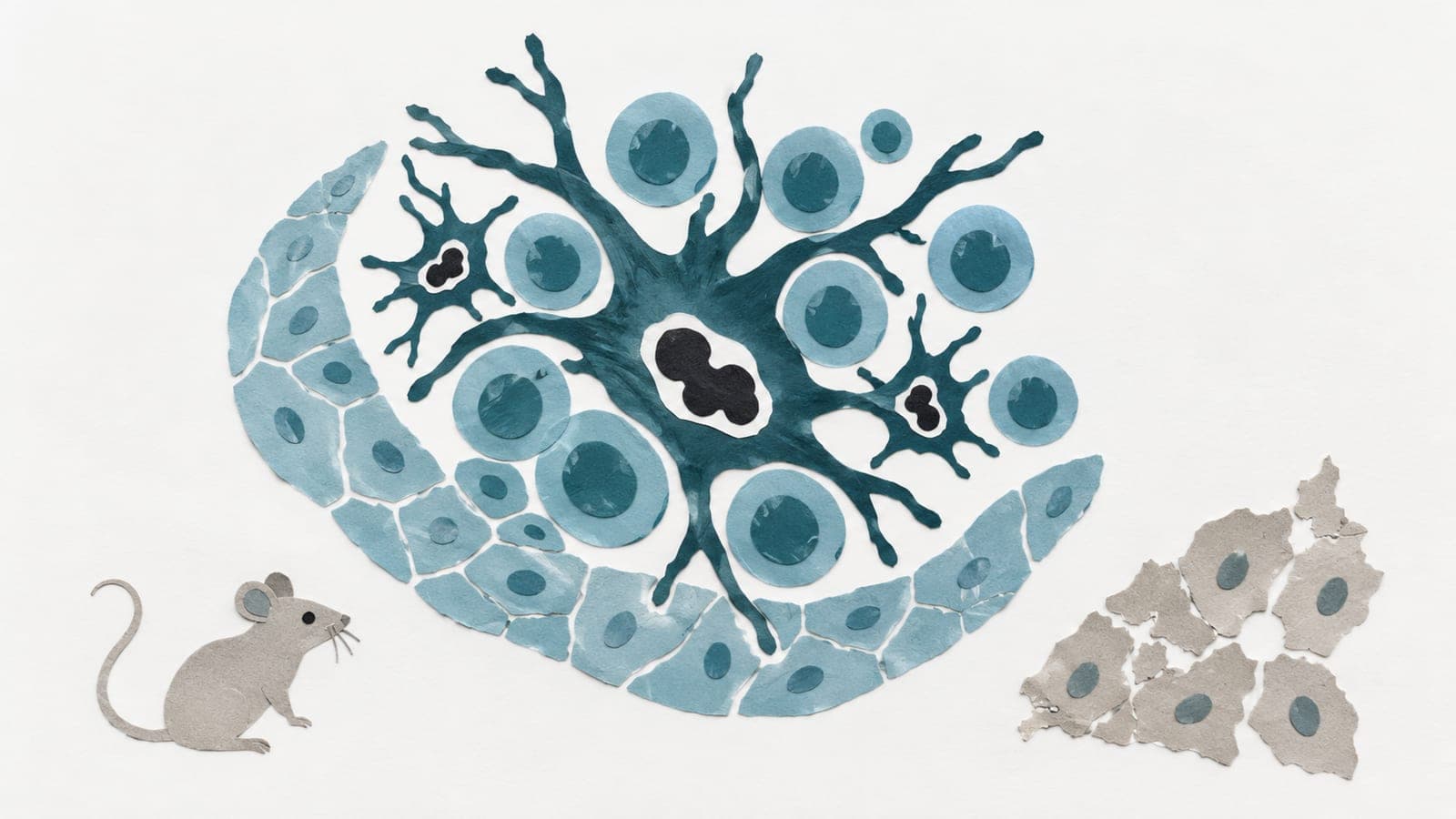
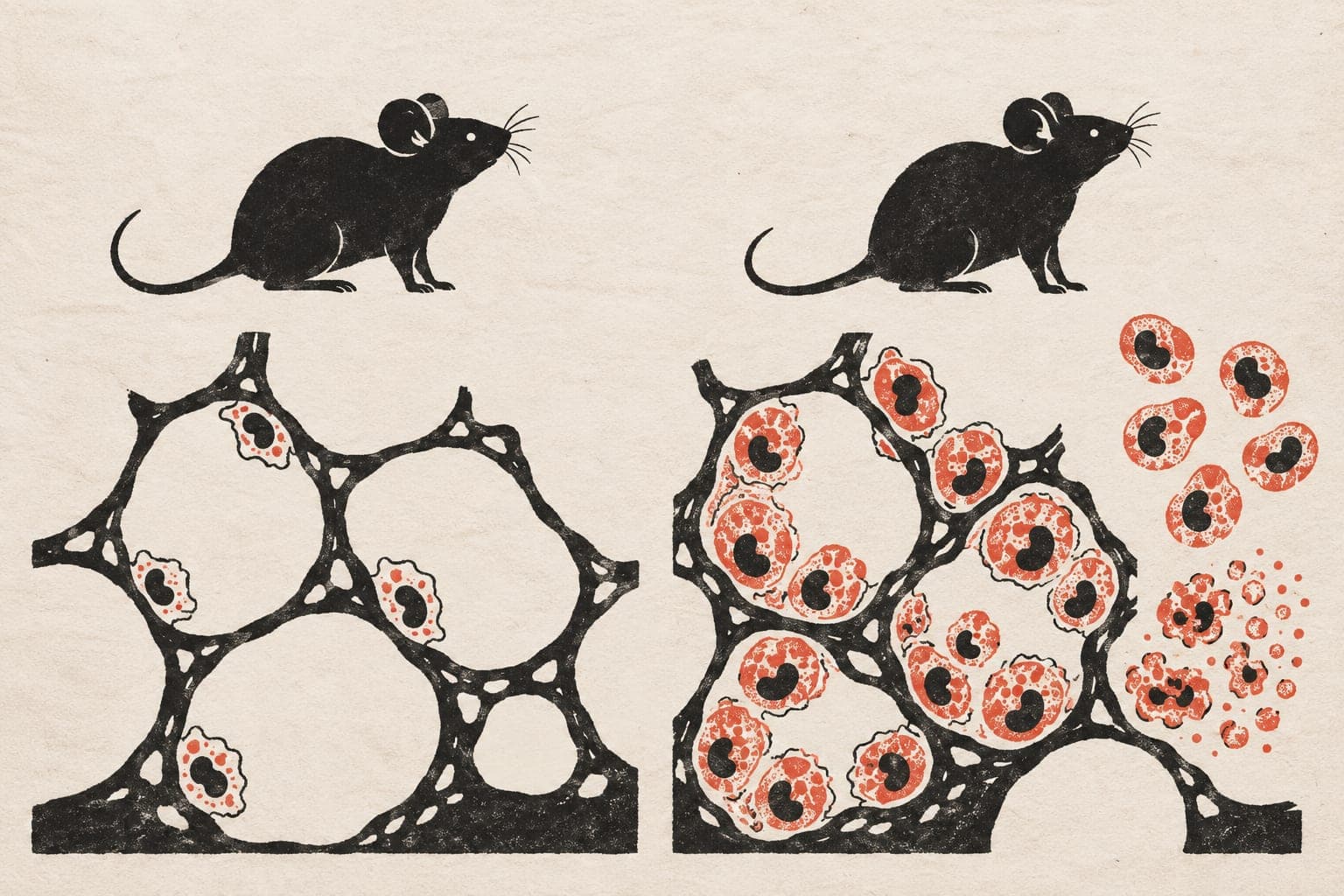
Elderly-onset rheumatoid arthritis as a distinct entity: mechanisms, manifestations, and treatment
Abstract
Elderly-onset rheumatoid arthritis (EORA), defined as onset at ≥60 years, is a clinically distinct and increasingly prevalent subset of rheumatoid arthritis (RA). This review synthesizes evidence that EORA is not merely late-onset RA but a pathogenically unique entity, driven by immune aging, inflammaging, and other mechanisms like defective immunosuppressive system, age-related somatic mosaicism, and dysbiosis. It frequently presents with heterogeneous features such as acute large-joint involvement and polymyalgia symptoms, often leading to diagnostic delays. Despite similar initial activity to young-onset RA, EORA follows a more aggressive course with severe joint destruction and significant comorbidities. Treatment with conventional disease-modifying antirheumatic drugs is complicated by polypharmacy and high adverse event risks, often leading to undertreatment. A shift to geriatric-centered care, with comprehensive assessment and tailored treat-to-target strategies, is therefore imperative. This review underscores the need to recognize EORA's unique pathophysiology and clinical profile to improve diagnosis, therapy, and outcomes for this growing population.
- Disease-modifying antirheumatic drugs
- Immune response
- Inflammation
- Elderly-onset rheumatoid arthritis
- Rheumatoid arthritis
- Humans
The paper
Chinese Academy of Medical Sciences & Peking Union Medical College
Current Opinion in Immunology, 13 Jan 2026