Inverse association of insulin-like growth factor binding protein 1 with epicardial and intrathoracic adiposity in older adults: The Longenity study
Abstract
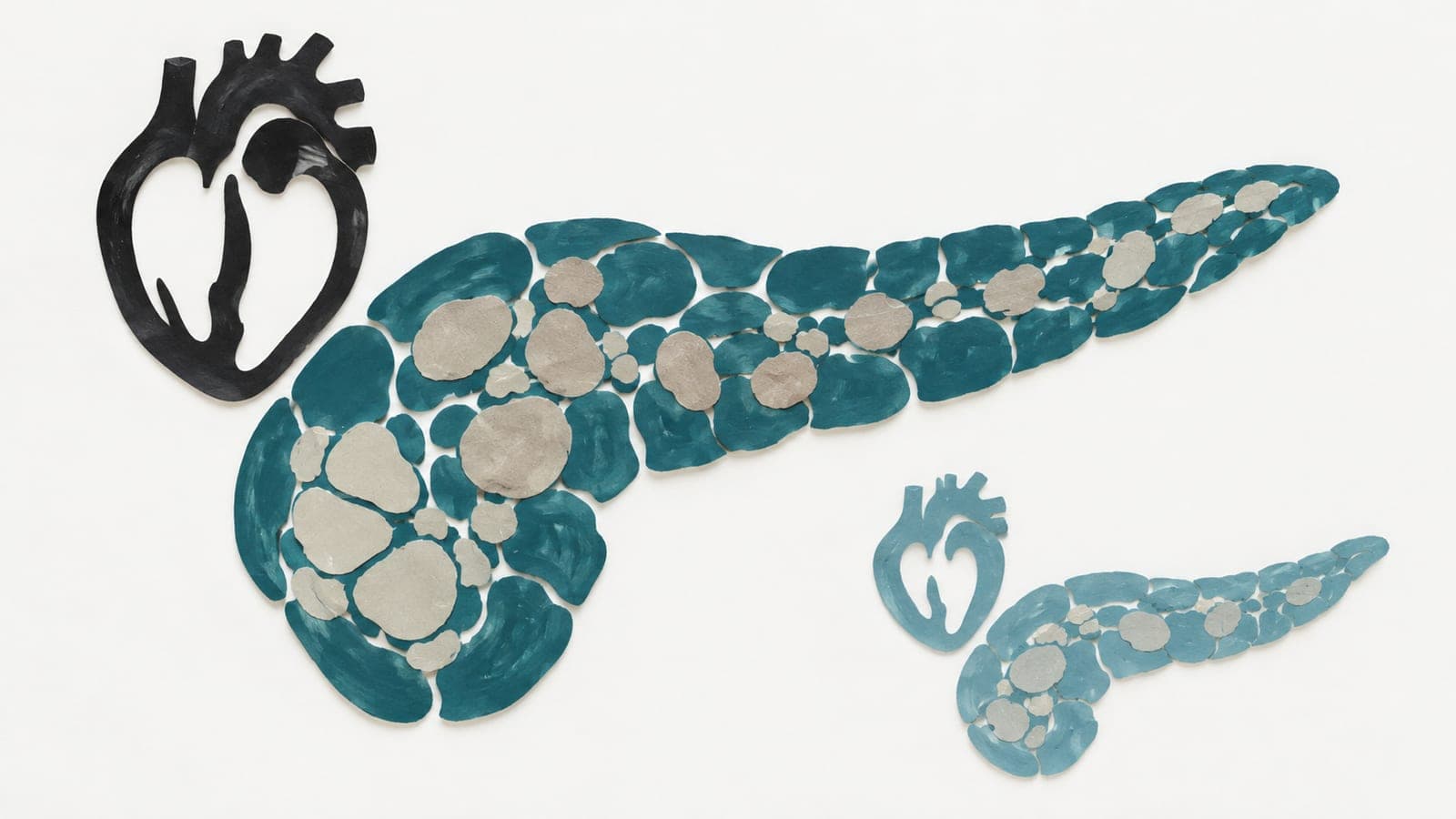
AIMS: Higher serum insulin-like growth factor binding protein 1 (IGFBP-1) is associated with insulin sensitivity and reduced risk of obesity, diabetes, and atherosclerosis. Epicardial (EAT) and intrathoracic adipose tissue (IAT) are associated with increased atherosclerosis. Whether there is an inverse association of IGFBP-1 with EAT and IAT is unknown. METHODS: We measured EAT, IAT, and IGFBP-1 from n = 102 participants from the LonGenity parent study at the Albert Einstein Institute of Aging, Bronx NY, who were enrolled to investigate healthy aging in Ashkenazi Jewish offspring of parents with exceptional longevity (OPEL) vs usual survival (OPUS). Participants underwent non-contrast electrocardiogram-gated computed tomography (CT) for fat volume quantification. Multiple linear regression models for the cross-sectional association of IGFBP-1 with EAT and IAT were adjusted for demographic, clinical, and laboratory factors. RESULTS: Higher IGFBP-1 levels were statistically significantly associated with lower EAT and IAT, particularly in the OPEL. This inverse relationship remained significant after adjusting for age, body mass index, high-density lipoprotein cholesterol, and cardiometabolic factors. In contrast, among the OPUS, the point estimates for these associations were directionally similar but not statistically significant. CONCLUSION: Circulating IGFBP-1 may be a novel biomarker for visceral adiposity and cardiometabolic risk stratification. Future studies should explore its role in cardiovascular aging.
- Lipid and ceramide metabolism
- IGFBP-1
- Epicardial adipose tissue volume
- HDL cholesterol
- Intrathoracic adipose tissue volume
- Humans
The paper
Johns Hopkins University; Albert Einstein College of Medicine
Diabetes Research and Clinical Practice, 11 Jan 2026