Pancreatic fat linked to higher heart failure risk
The highest third for pancreatic fat was linked to higher heart failure risk than the lowest third (hazard ratio 1.68, comparing rates over time).
13.6 years
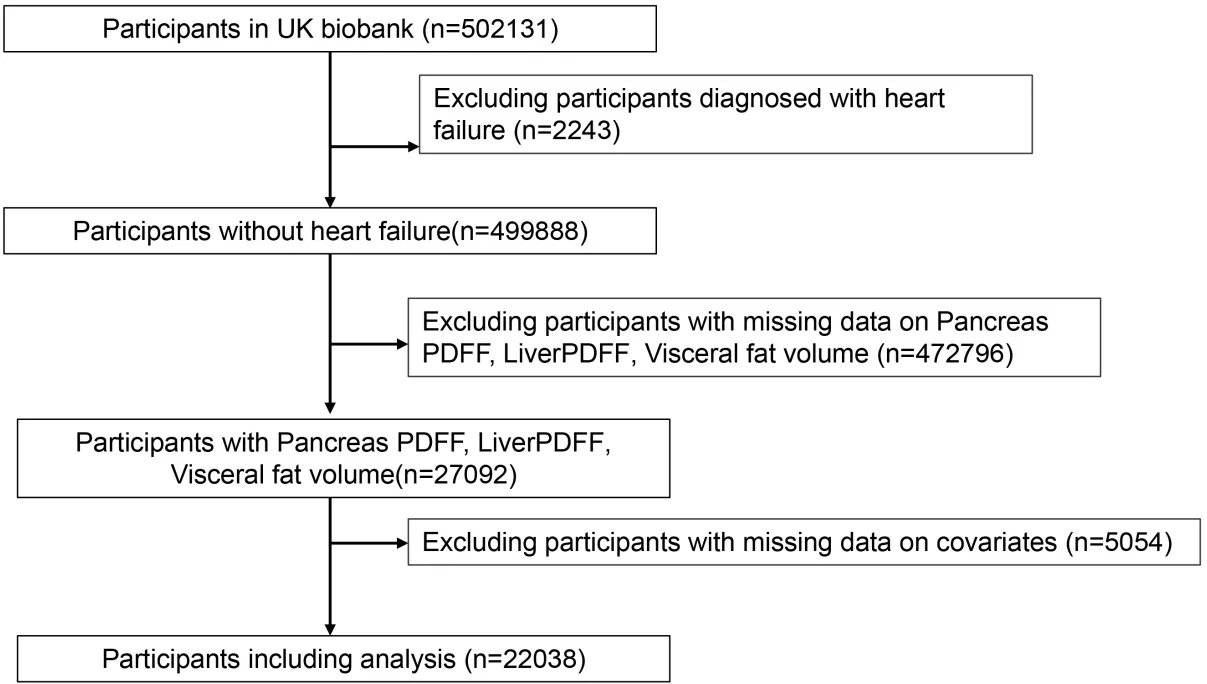
A prospective observational study analysed 22,038 UK Biobank participants who initially had no heart failure, a condition in which the heart cannot pump blood adequately. Researchers examined whether fat in the pancreas and liver, and total fat around internal organs, were linked to later heart failure. Over a median follow-up of 13.6 years, 282 participants developed the condition.
After accounting for established cardiovascular and metabolic risk factors, pancreatic fat in the highest third was associated with higher heart failure risk than in the lowest third. Liver fat showed no association in these adjusted models. The pancreatic fat link remained after further adjustments, including pancreas size and inherited heart failure risk. The researchers suggested that pancreatic fat may add value to heart failure risk assessment.
Why it matters
For heart failure, an age-related disease, the study addressed whether the organ storing fat matters for assessing future risk.
Caveats
This observational study cannot show that pancreatic fat caused heart failure or that reducing it would prevent the condition.
- Lipid and ceramide metabolism
- Heart failure
- Hepatic fat
- HF polygenic risk score
- Intra-pancreatic fat deposition
- Humans
The paper
The First Affiliated Hospital
Reviews in Cardiovascular Medicine, 16 Sep 2026