PFPeA exposure drives hepatoxicity and liver fibrosis via oxidative stress/Wnt5a-induced hepatocyte senescence
Abstract
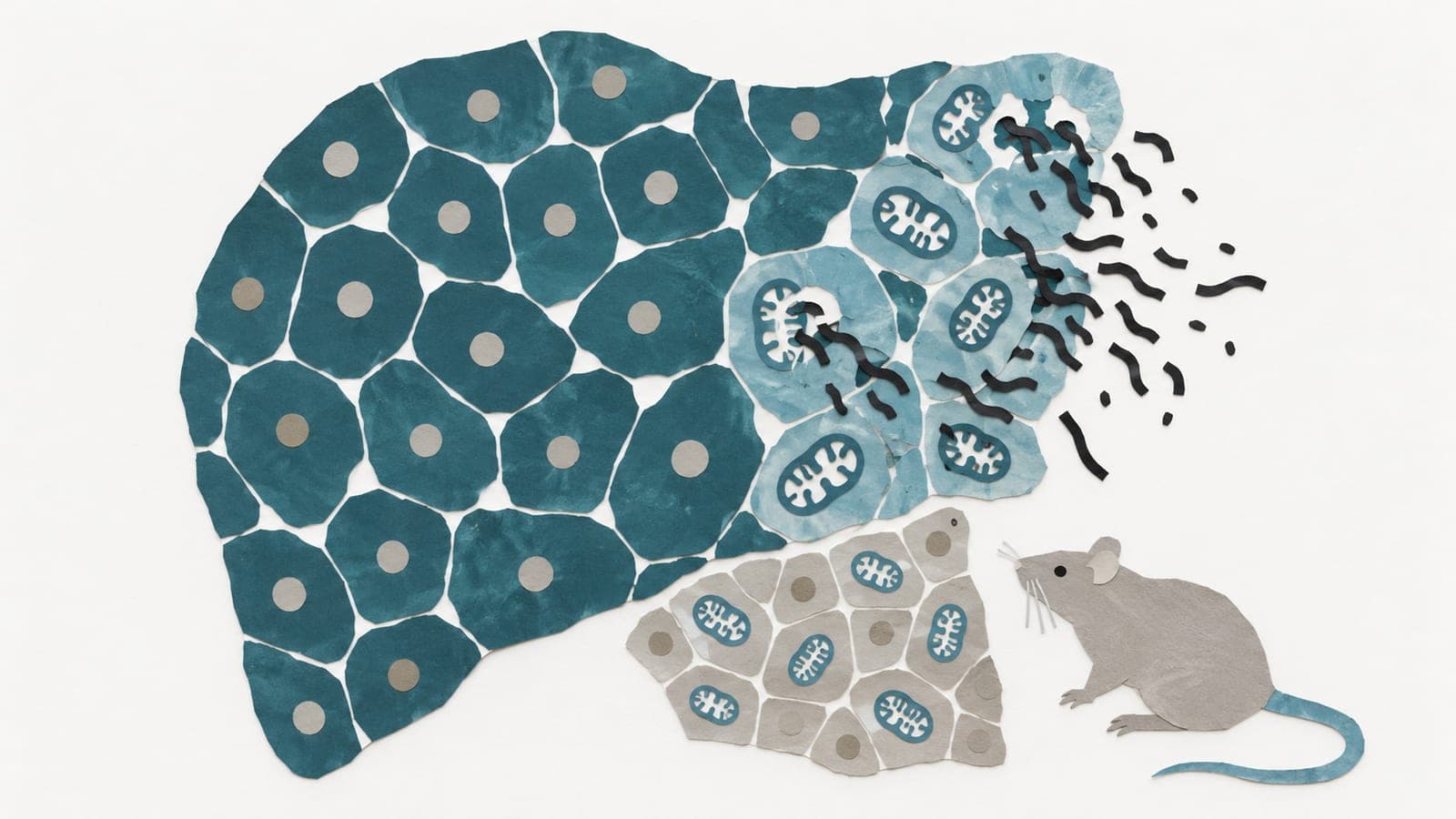
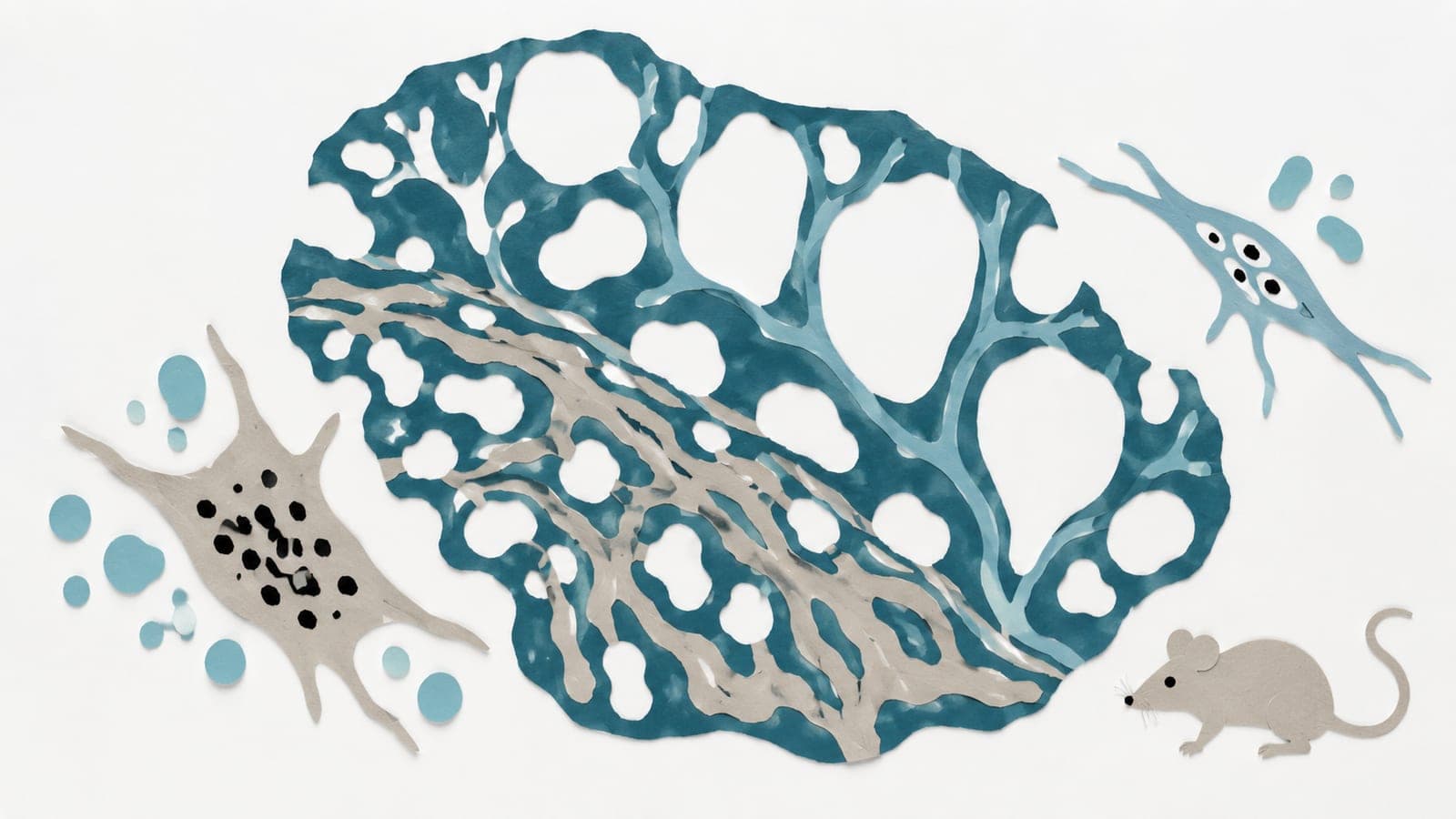
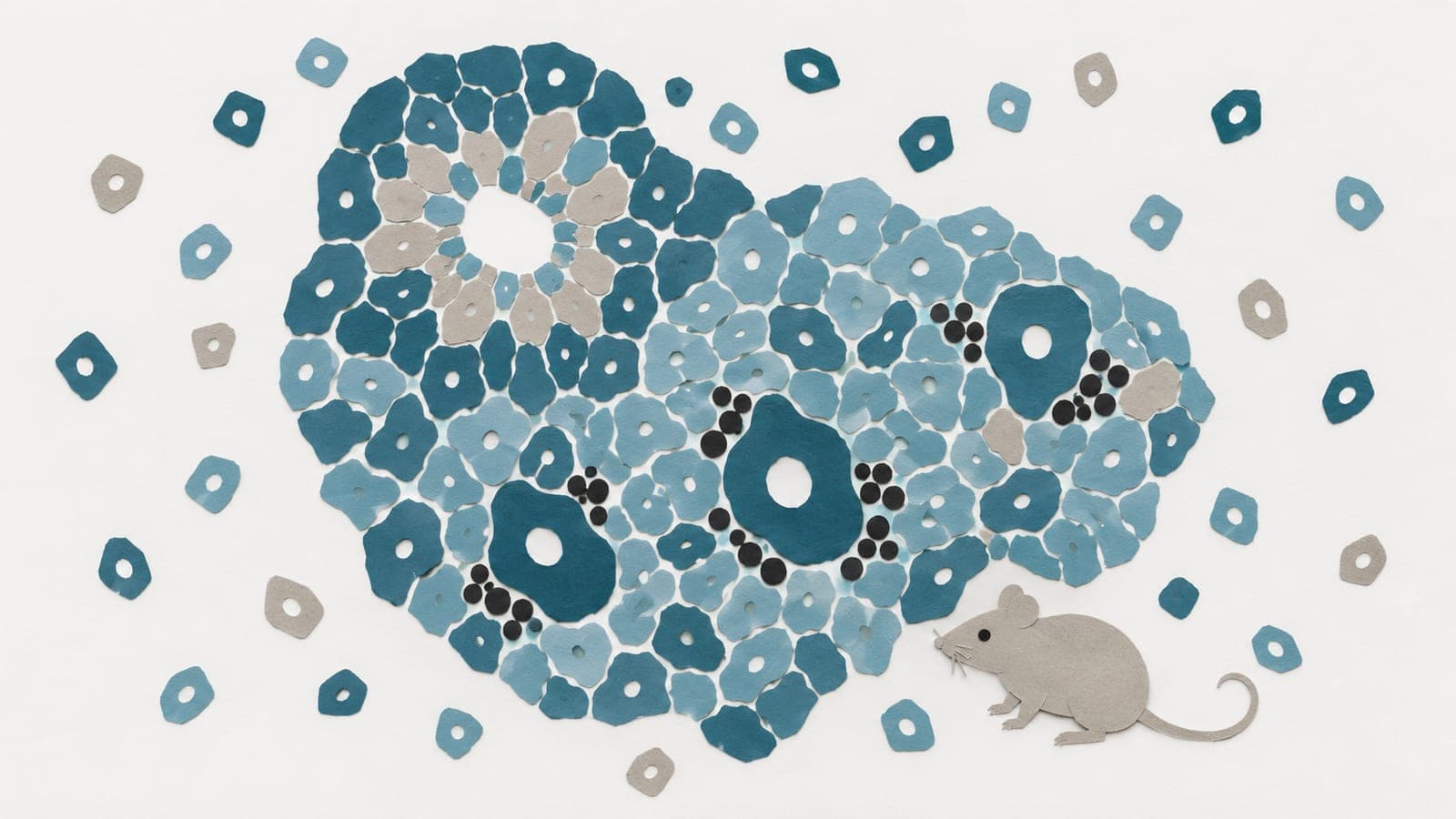
Perfluoropentanoic acid (PFPeA), one of short-chain PFASs, has raised concern due to existence in the environment. The hepatotoxicity of PFPeA remains to be further elucidated. Cellular senescence, a distinct cellular state that occurs under stress conditions, plays a vital role in the progression of various diseases. However, the contribution of cellular senescence to PFPeA induced liver toxicity remains unclear. Our study investigated the specific role of cellular senescence in PFPeA induced liver injury and its underlying mechanisms in C57BL/6 J mice and THLE-2 cells. Our results demonstrated that PFPeA exposure at 5 μg/ml significantly induces hepatocyte senescence and liver injury, and fibrosis in mice. Further experiments revealed that PFPeA triggers excessive ROS production in hepatocytes, which leads to sustained activation of the Wnt5a signaling pathway, subsequently inducing cellular senescence and senescence-associated secretory phenotype (SASP) secretion, and ultimately resulting in liver dysfunction and fibrosis. Combination therapy targeting both senescence and Wnt5a significantly alleviated PFPeA -induced liver injury. In summary, our study provides compelling evidence highlighting the important role of cellular senescence in PFPeA induced liver injury. This research broadens our understanding of PFPeA induced hepatotoxicity and provides potential therapeutic and preventive strategies for managing PFPeA-related liver injury.
The paper
First Affiliated Hospital of Xi'an Jiaotong University
Journal of Hazardous Materials, 9 Jan 2026