Tooth Loss and Socioeconomic Inequalities in Disability and Mortality: A Large-scale Prospective Cohort Study in Japan
Abstract
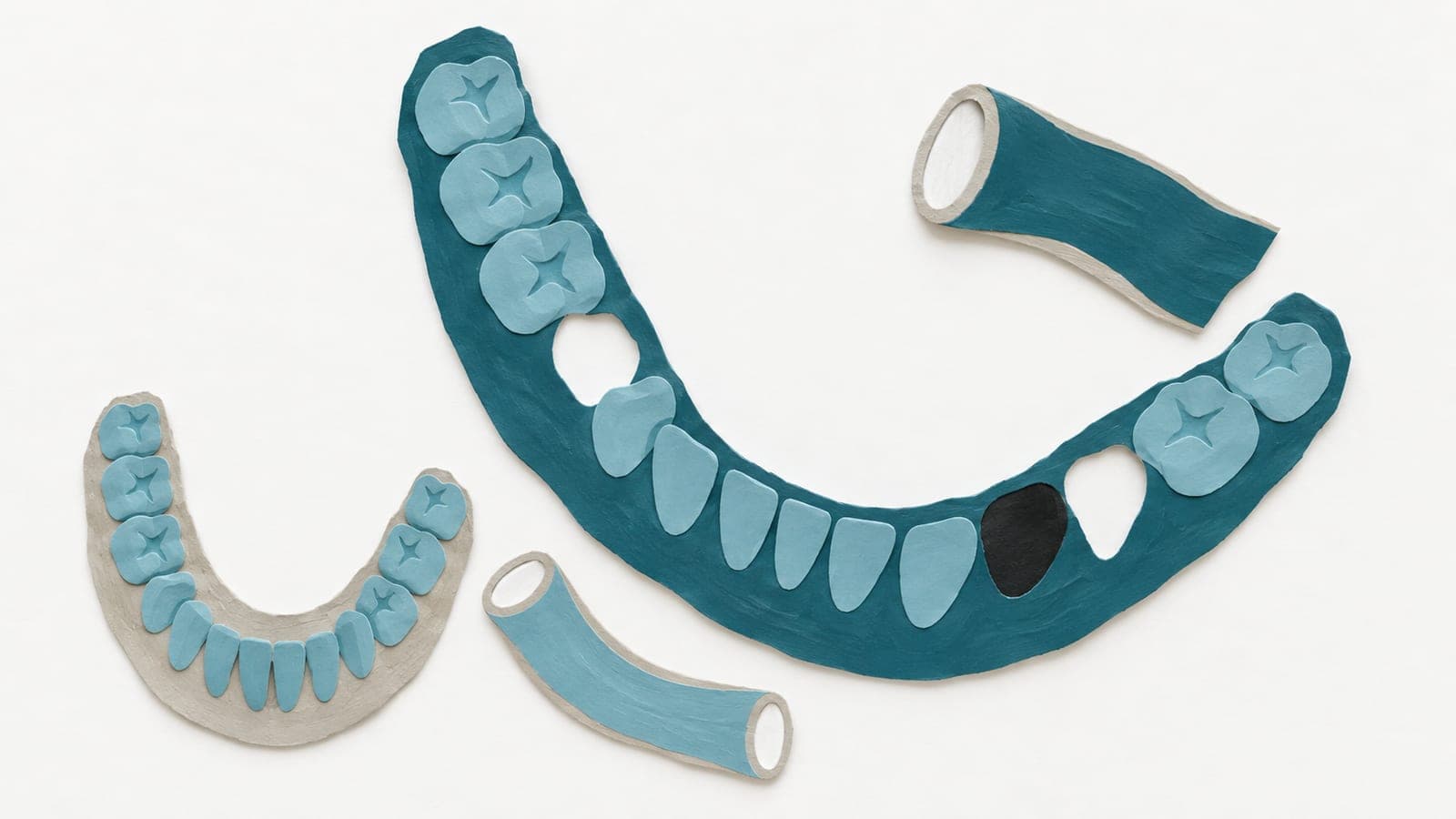
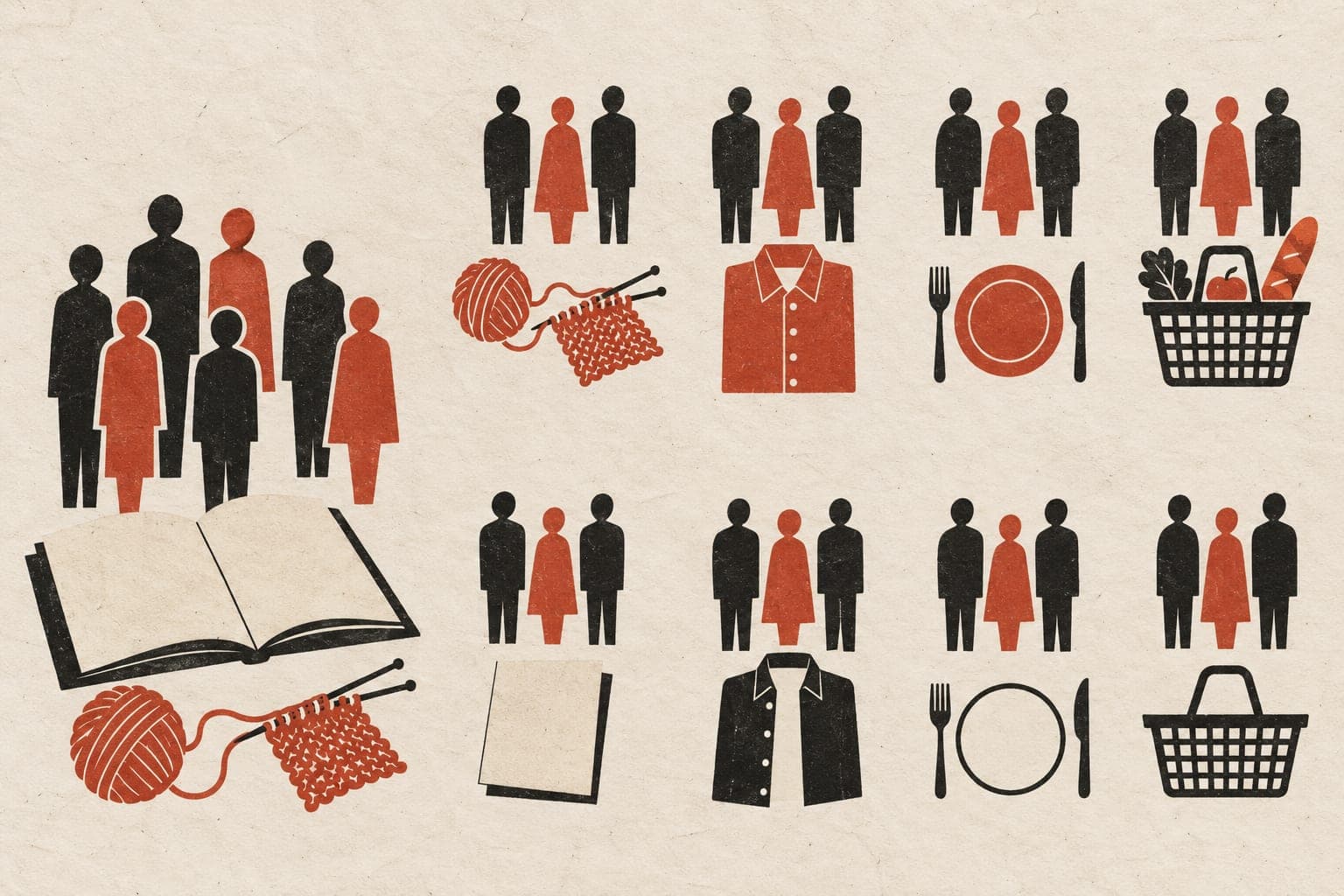
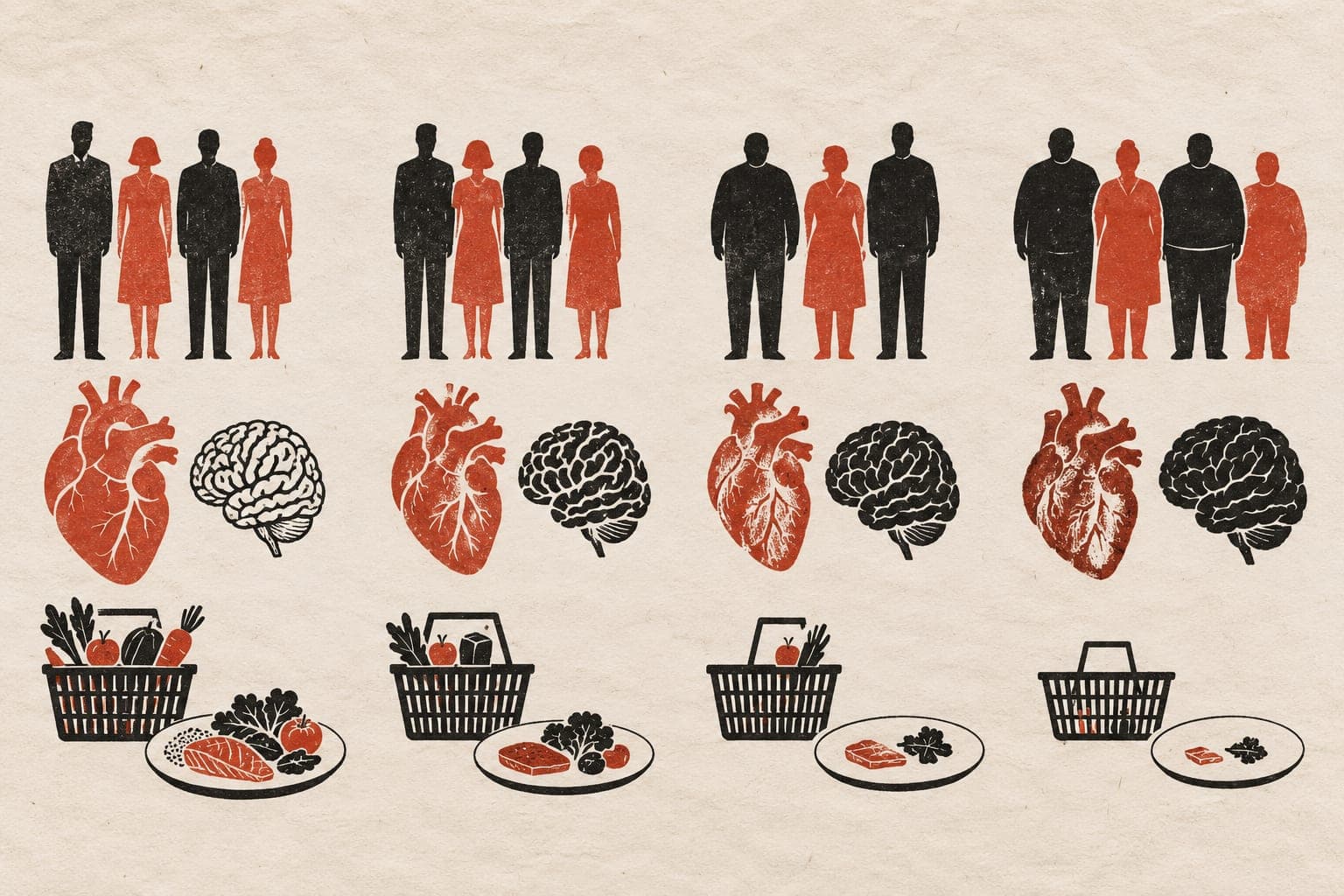
BACKGROUND: Socioeconomic inequalities in disability-free life span have been widening. We evaluated the mediating role of multiple modifiable risk factors, including tooth loss, on socioeconomic inequalities in disability onset and mortality among Japanese older adults. METHODS: This prospective cohort study utilized data from the Japan Gerontological Evaluation Study, targeting adults aged ≥65 years. The 2013 baseline questionnaire survey participants were followed until 2022 (n = 48,474; median follow-up, 9.0 years). Time-varying mediators were also assessed in questionnaire surveys in 2016 and 2019. Discrete-time survival analysis estimated the association of socioeconomic status (SES)-a standardized principal component score incorporating household income, wealth, and years of education-with disability or mortality onset. The Karlson-Holm-Breen method decomposed total effects into pathways through 11 mediators, including tooth loss and major risk factors for disability and mortality. RESULTS: During the follow-up, 29.1% became disabled or died. Compared to the highest SES group, the lowest SES quartile group exhibited a hazard ratio of 1.26 (95% confidence interval [CI], 1.19-1.34) for disability or mortality. Tooth loss exhibited the second largest indirect effect (proportion mediated 12.4%; 95% CI, 8.0-17.2), following moderate depression (16.0%; 95% CI, 11.7-21.5). Tooth loss exhibited the strongest association with SES, attributing to the large indirect effect. CONCLUSION: The findings suggest that tackling inequalities in tooth loss may be an effective way to reduce socioeconomic inequalities in a disability-free life span.
The paper
Institute of Science Tokyo
Journal of Epidemiology, 13 Jan 2026