Stiffening arteries linked to tooth loss in older adults
Adults with moderate and high increases in estimated arterial stiffness had odds ratios of 1.32 and 1.78 for tooth loss compared with a low-stable group.
Dose-response
In a longitudinal cohort study, researchers followed 10,245 adults aged 45 years and older in China who had no tooth loss at baseline. The team tracked estimated pulse wave velocity, a measure of arterial stiffness, using blood pressure data collected between 2011 and 2018.
Participants were grouped into three long-term trajectories: low-stable (34.5%), moderate-increase (46.2%), and high-increase (19.3%). After adjusting for demographic traits, lifestyle, body mass index, and cardiometabolic conditions, both rising trajectories were linked to a higher risk of incident tooth loss. Compared with the low-stable group, the odds ratio for tooth loss was 1.32 in the moderate-increase group and 1.78 in the high-increase group. Estimated pulse wave velocity levels also showed a positive dose-response relationship with tooth loss risk across the cohort.
Why it matters
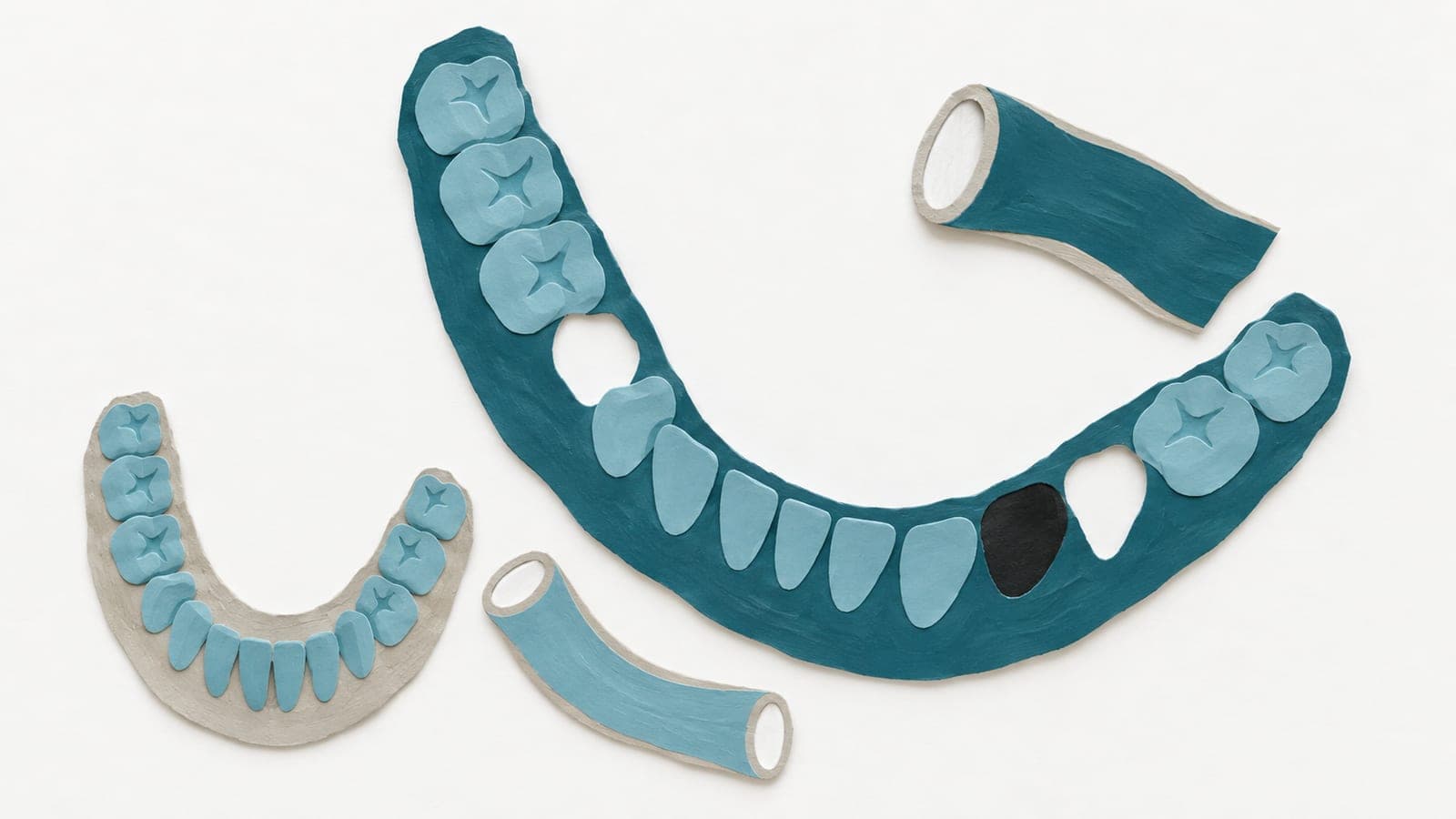
Tooth loss is a common problem in later life that impairs chewing and overall health. The results suggest that the long-term cumulative burden of vascular aging may be a systemic factor that affects oral health.
Caveats
Because this was an observational study, it cannot show that stiffening arteries cause tooth loss. In addition, arterial stiffness was estimated from blood pressure rather than measured directly.