Oral decline patterns linked to depressive symptoms in older adults
Two oral-decline groups had higher odds of depressive symptoms than the Oral Health Advantage group; the ratios of those odds were 1.736 and 3.039.
Multicentre
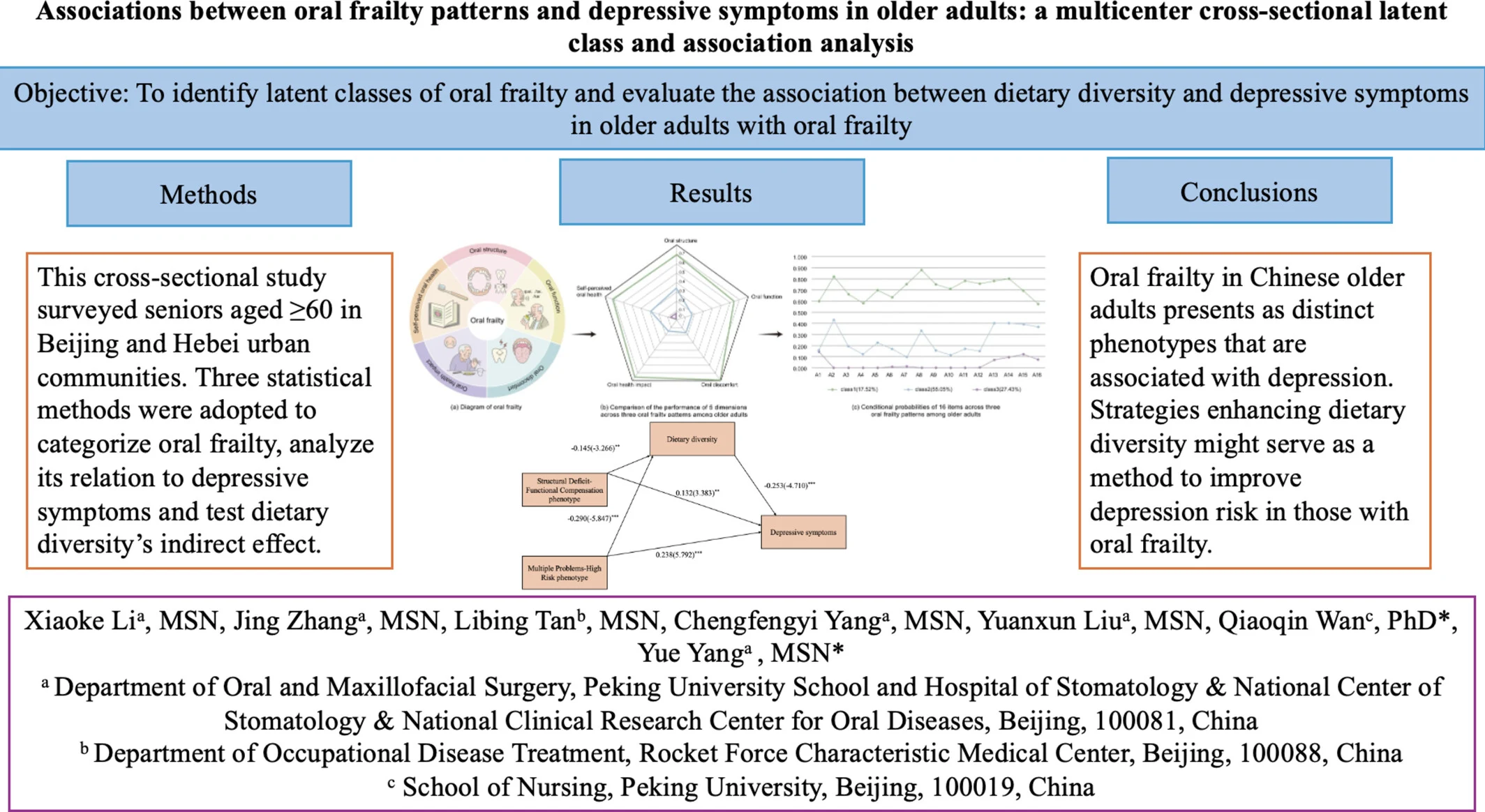
In a cross-sectional observational study, researchers assessed 525 adults aged 60 years or older from urban communities in Beijing and Hebei, China. They used an assessment tool to identify patterns of oral frailty, age-related decline in oral health. They measured depressive symptoms with a questionnaire.
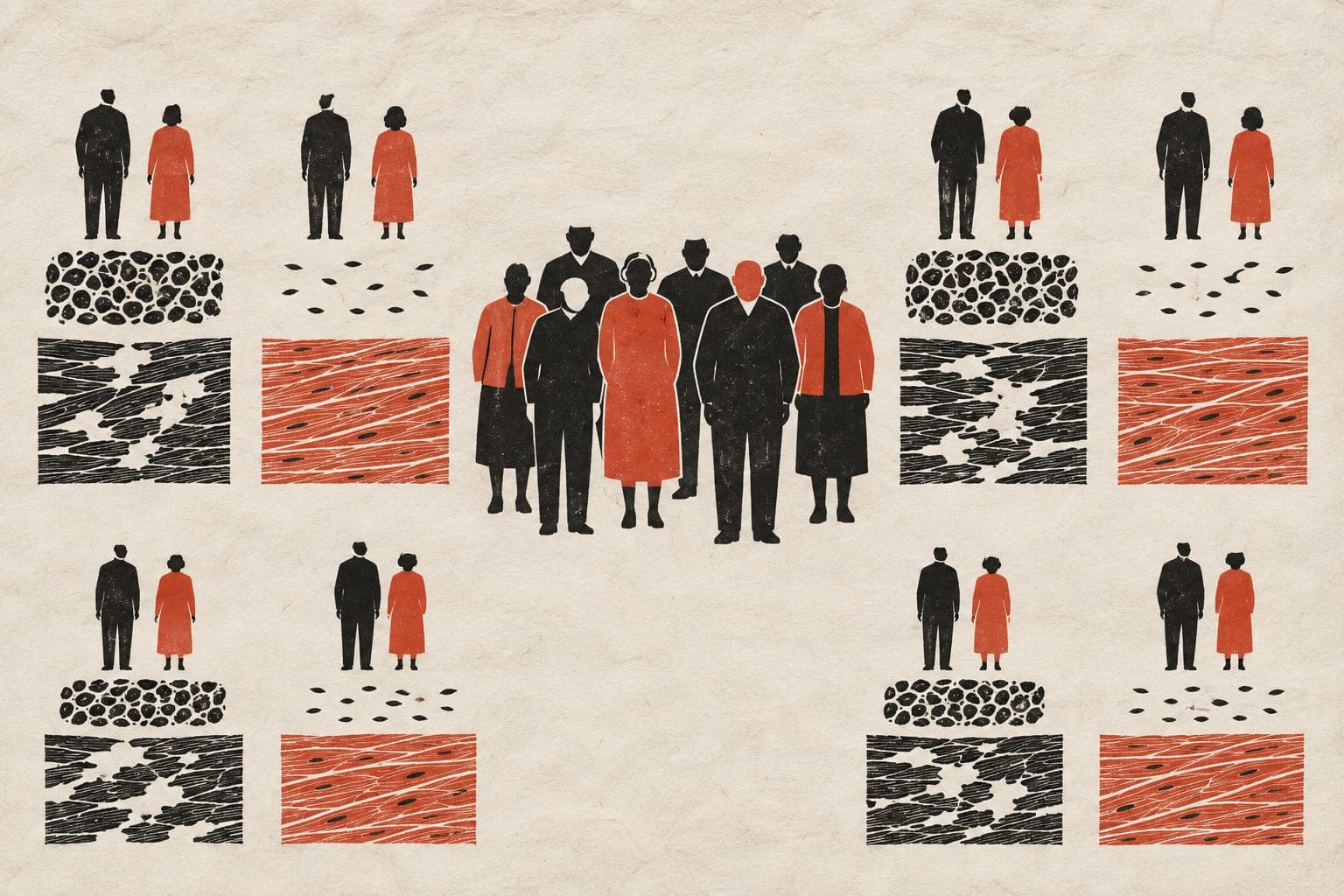
The analysis identified three groups. Compared with the group labelled “Oral Health Advantage”, the “Structural Deficit–Functional Compensation” group had an odds ratio of 1.736 for depressive symptoms. The “Multiple Problems–High Risk” group had an odds ratio of 3.039 against the same comparison group. These ratios compare the odds of symptoms between groups. A statistical model suggested that dietary diversity—the variety of foods eaten—partly accounted for both associations.
Why it matters
For older adults with age-related oral decline, the authors suggested that increasing dietary diversity might help reduce depression risk.
Caveats
The cross-sectional design cannot establish cause and effect or show that changing diets would reduce depressive symptoms. The findings concern questionnaire-assessed symptoms in older adults from urban communities in Beijing and Hebei.
- Dietary diversity
- Depressive symptoms
- Depression
- Oral frailty assessment tool
- Patient Health Questionnaire-9
- Humans
The paper
Peking University School and Hospital of Stomatology & National Center of Stomatology & National Clinical Research Center for Oral Diseases
Journal of Oral Rehabilitation, 12 Oct 2026