Associations of volatile organic compound exposure with phenotypic age acceleration and the synergistic interaction of dietary micronutrients
Abstract
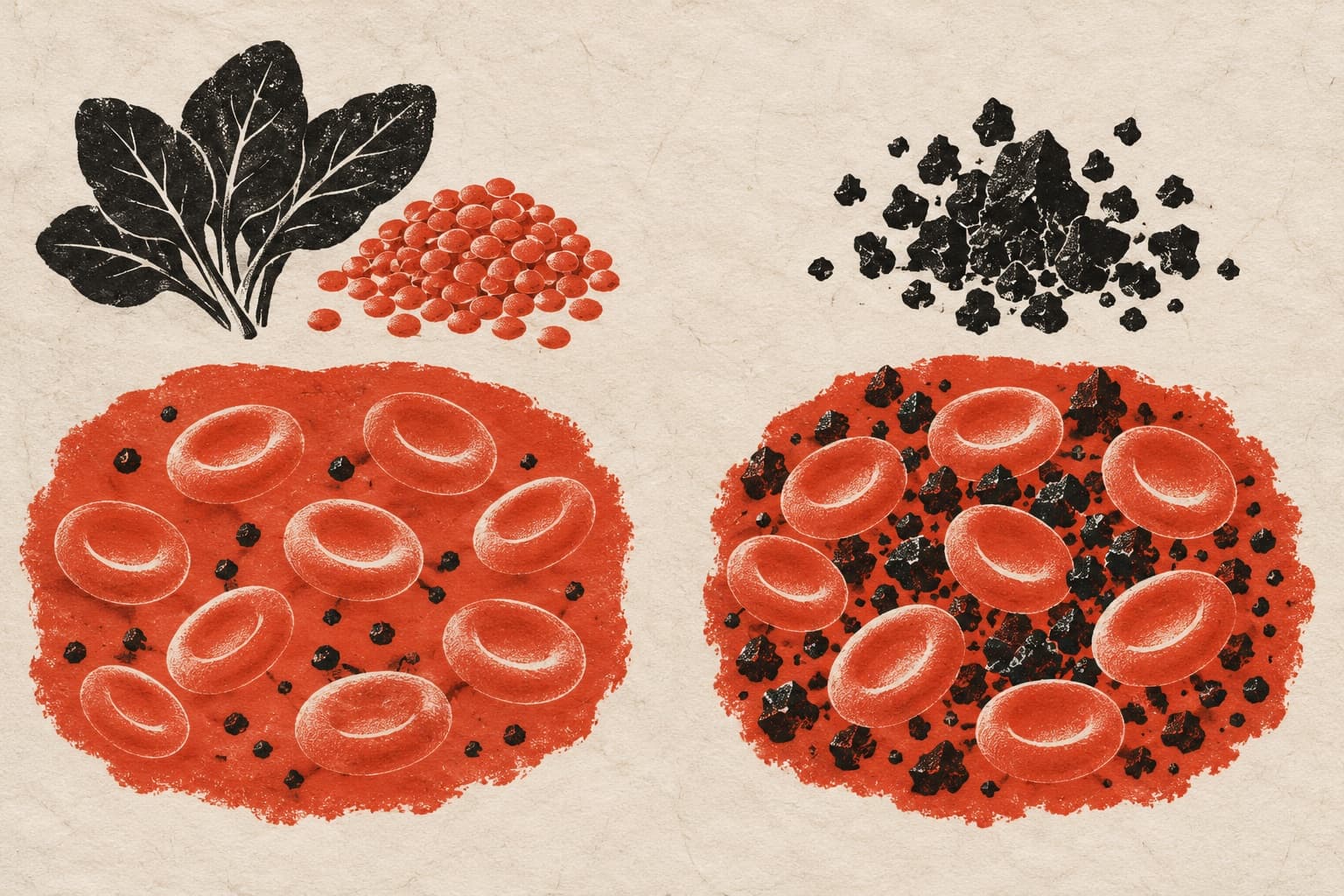
OBJECTIVE: This study assesses the association between exposure to volatile organic compounds (VOCs) and phenotypic age acceleration, and evaluates the potential synergistic interaction by dietary micronutrient intake. METHODS: A total of 7,209 participants were chosen from the National Health and Nutrition Examination Survey (NHANES) conducted between 2005-2006 and 2011-2018. The VOCs metabolites were quantitatively evaluated using ultra-performance liquid chromatography-electrospray ionization tandem mass spectrometry. The dietary micronutrient intake was assessed through interviews that involved recalling a 24-h diet. To measure biological aging, the "BioAge" R package was utilized to calculate PhenoAge. Various statistical analyses such as weighted multiple linear regression, weighted quantile sum (WQS) regression, restricted cubic spline models, subgroup analyses, and interaction analyses were employed to assess the impact of VOCs metabolites on PhenoAge acceleration while considering the influence of dietary micronutrient intake. RESULTS: The participants' average age was 47.37 years, and females accounted for 51.5% of the sample. Through weighted multivariate linear regression analysis, we discovered significant positive connections between CEMA, 3HPMA, DHBMA, MHBMA3, HPMMA, PGA, and PhenoAge acceleration. Our WQS analysis indicated a noteworthy positive correlation between VOCs metabolite mixtures and PhenoAge acceleration (β = 0.693, P < 0.001), with DHBMA, HPMMA, and PGA identified as the most influential metabolites. By employing restricted cubic spline models, we established a linear relationship between DHBMA, HPMMA, PGA,and PhenoAge acceleration. Subgroup analyses consistently demonstrated positive associations for DHBMA, HPMMA, PGA with PhenoAge acceleration across various subgroups. Furthermore, dietary micronutrient intake exhibited significant synergistic interaction with these metabolites. CONCLUSIONS: This study confirms that VOC exposure contributes to phenotypic age acceleration. Critically, we find that some dietary micronutrients appear to interact with VOC exposure, mitigating its effect and providing evidence that aging is jointly driven by synergistic environmental and nutritional stressors.
The paper
First Hospital of China Medical University
The Journal of Nutrition, Health & Aging, 10 Jan 2026