Betulinic acid abates age-related kidney structural changes and proteinuria by contending oxidative stress in male rats
By Haritha CV, Kumawat S, Madabhavi PM et al.
Abstract
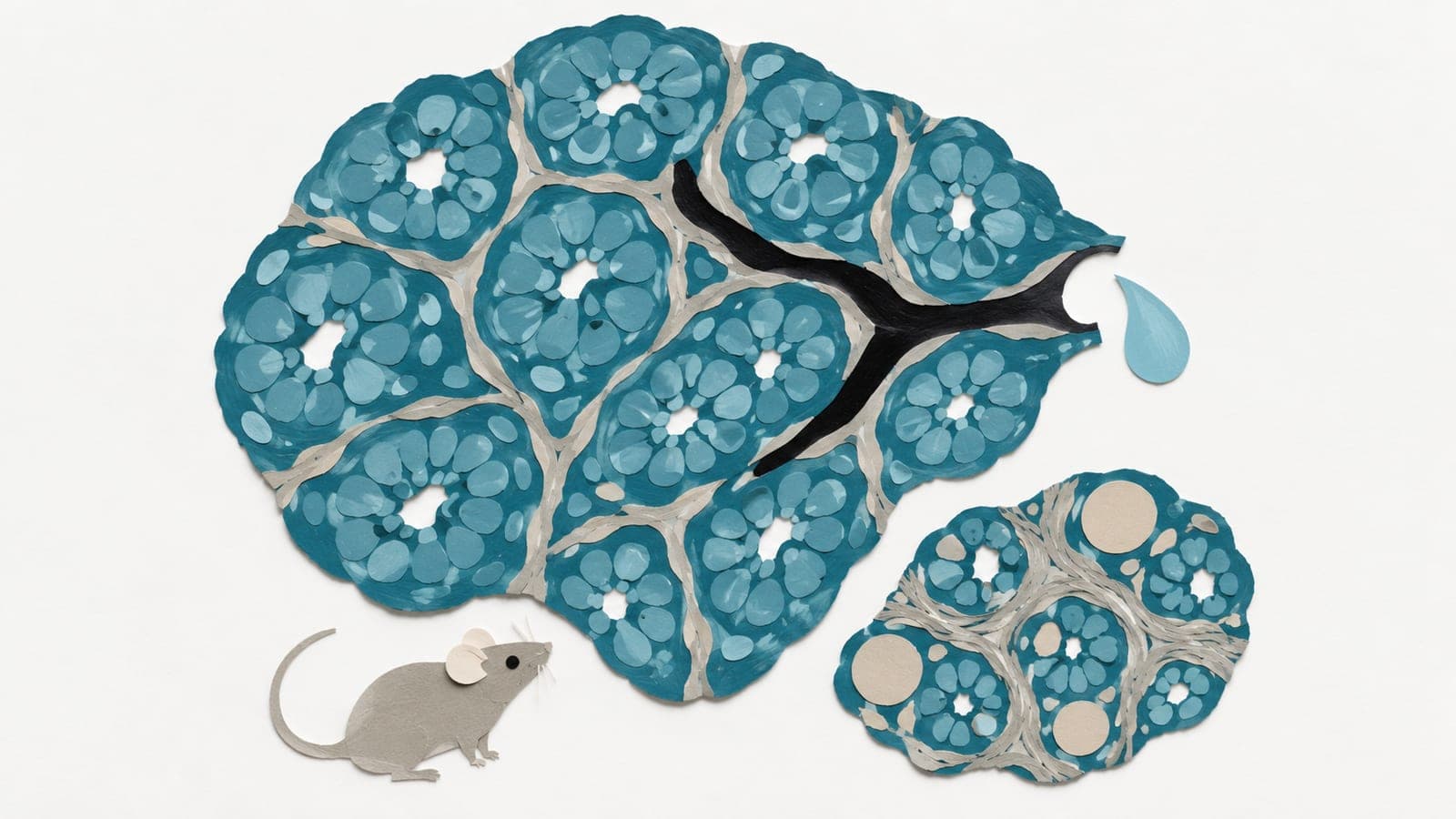
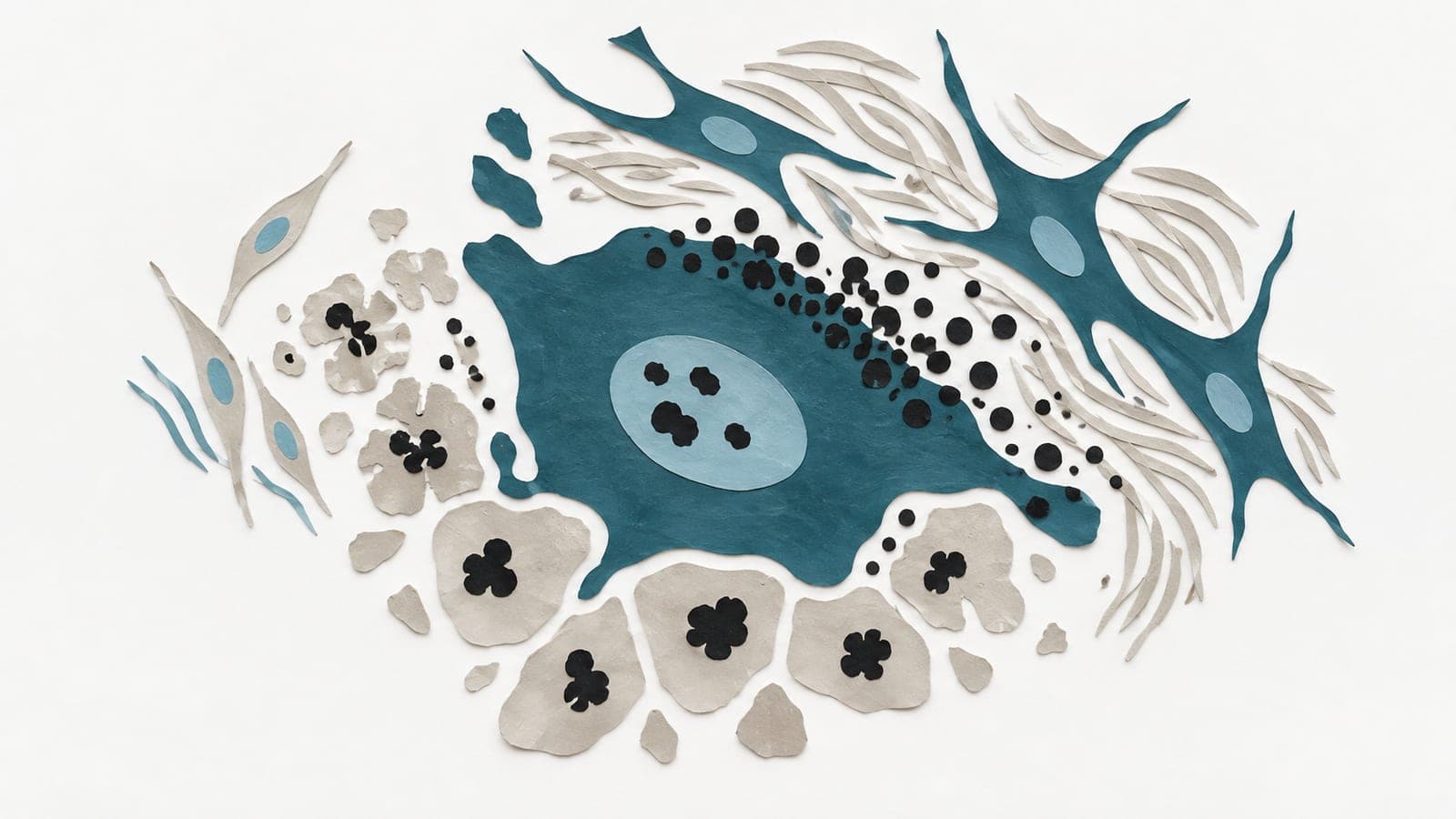
BACKGROUND: Betulinic acid (BA) has shown potent anti-oxidant activity and ameliorated kidney injury in rodent models in our previous studies. Therefore, we were keen to address the prospects of BA in age-related renal changes which are still far from clear. METHODS: Male rats of different age viz. 2 months (young group) and 15 months (old group) received vehicle orally for 90 days. Additionally, 15 months rats in another group were treated with BA at 10 mg/kg body weight dose orally for 90 days (old + BA group). All rats were sacrificed on day 91. RESULTS: Old rats exhibited elevated nitrite, reactive oxygen species, lipid hydroperoxides, malondialdehyde in kidney and advanced oxidation protein products in serum. In addition, renal nuclear factor erythroid 2-related factor 2 expression was negligible revealing age-related oxidative damage and suppressed anti-oxidant proteins in kidney which was uncommon in young rats. These, oxidative changes in old rats were countered by BA. Further, BA treatment was found to down-size the excretion of high molecular weight (HMW) proteins in urine probably through reconditioning of age-prone structural alterations in the kidney by impeding the developments such as expression of alpha smooth muscle actin (myofibroblast marker), basement membrane thickening, extracellular matrix deposition, swollen mitochondria and presence of apoptotic signs in nucleus, the denting findings which were frequently evident in untreated old rats. CONCLUSION: Our results suggest that BA could be an agent for reducing oxidants and oxidant-linked renal damage in aged subjects.
- Betulinic acid
- Apoptosis
- Extracellular matrix remodelling
- Proteinuria
- Advanced oxidation protein products
- Rats
The paper
Haritha CV, Kumawat S, Madabhavi PM et al.
European Journal of Pharmacology, 7 Jan 2026