H2S as an activator of the NO-sGC signaling pathway in dilation of cerebral vessels: changes in aging
Abstract
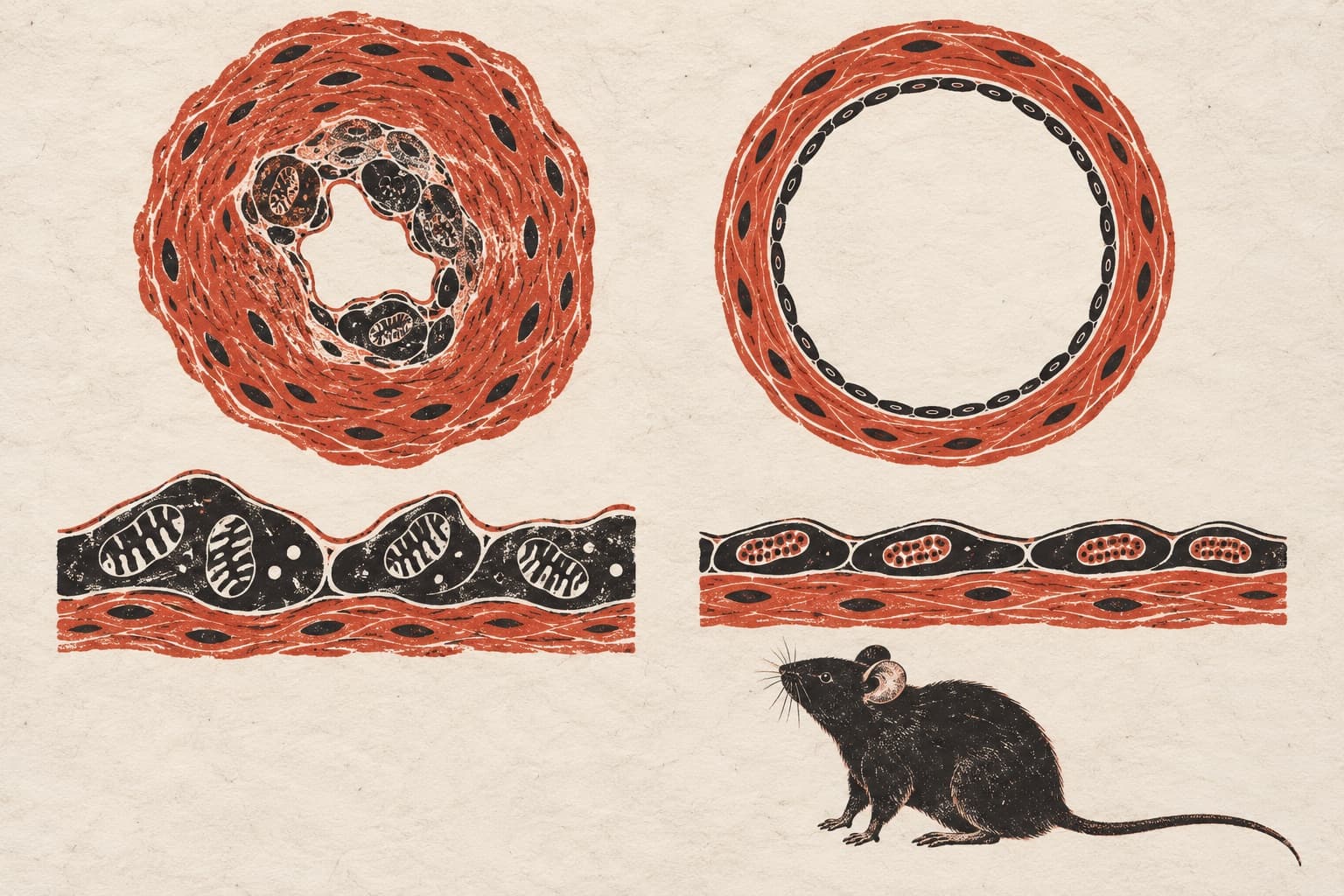
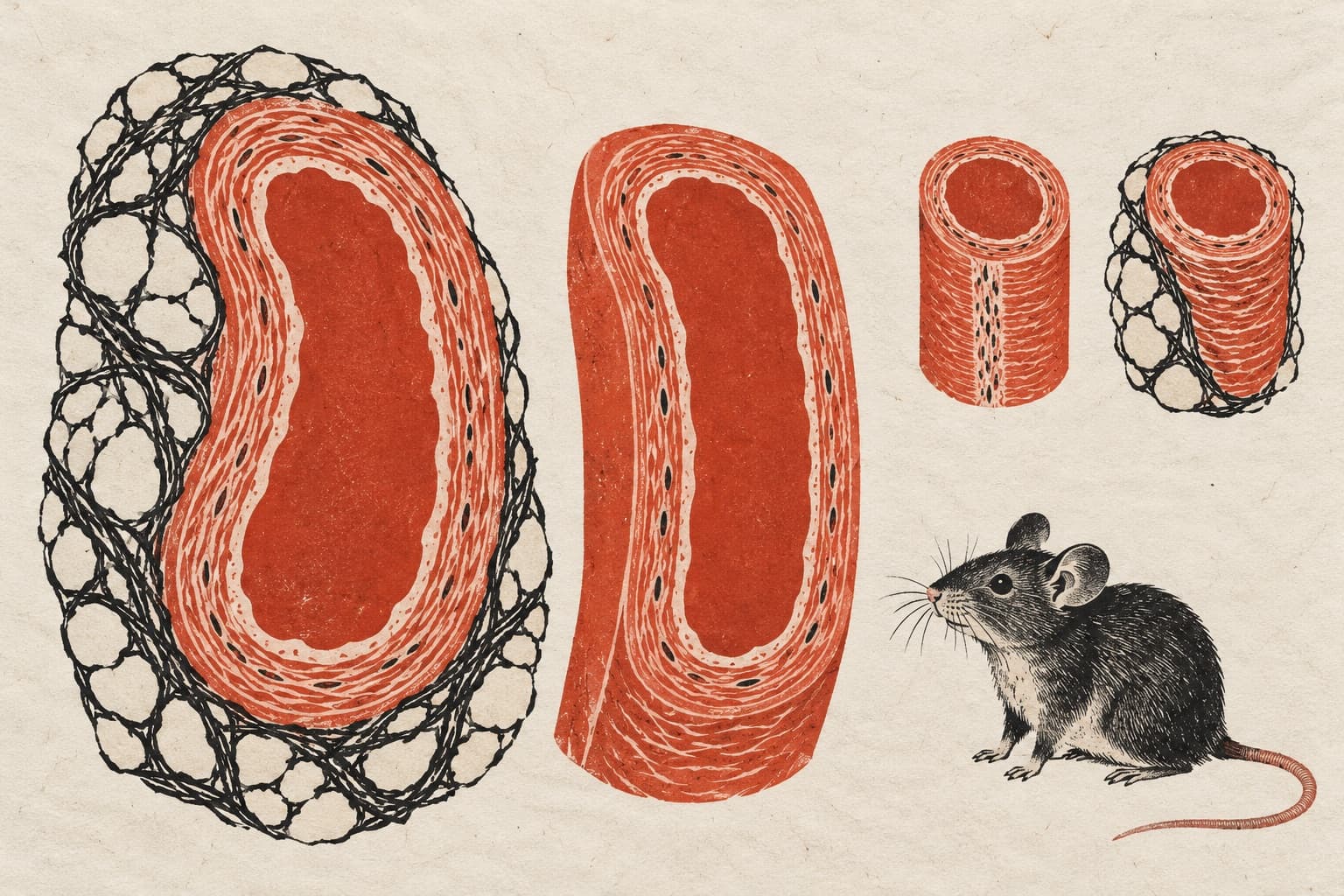
The study included a comparative study of the contribution of nitric oxide (NO) and soluble guanylate cyclase (sGC) to hydrogen sulfide-mediated (H2S) dilation of the pial arteries in Sprague-Dawley rats aged 4 and 18 months. In vivo micrography was used to study dilatory responses of arteries ranging in size from 8 to 86 microns to the effect of H2S donor (sodium hydrosulfide solution, NaHS, 3·10-5 М) and their changes after the use of blockers. A non-specific NO-synthase blocker (L-NAME, 10-4 M), an inducible NO-synthase blocker (aminoguanidine, 10-4 M) and sGC blocker (methylene blue, 10-4 M) were used in the experiment. The results showed the presence of age-related changes at the level of all links of the NO-sGC signaling cascade. Aging is accompanied by a change in the NO-mediated mechanisms of the pial arteries dilatation reactions to exposure to NaHS solution. The contribution of NO synthesized with the participation of an inducible form of nitric oxide synthase, to dilation increases. The contribution of the sGC also increases with age. In young rats (4-month-old), this mechanism is expressed only in arteries with a diameter of <20 µm, whereas in 18-month-old animals, the contribution of sGC to H2S-induced dilation is found in arteries of all sizes studied. The results obtained reveal the possibility of using H2S as an activator of the NO-sGC signaling pathway in the treatment of cerebrovascular diseases accompanying the aging process.
The paper
Pavlov Institute of Physiology of the Russian Academy of Sciences
Advances in Gerontology, 1 Jan 2025