Associations between joint air pollution exposure, mental health, and physical health and dementia incidence in an aging U.S. cohort
Abstract
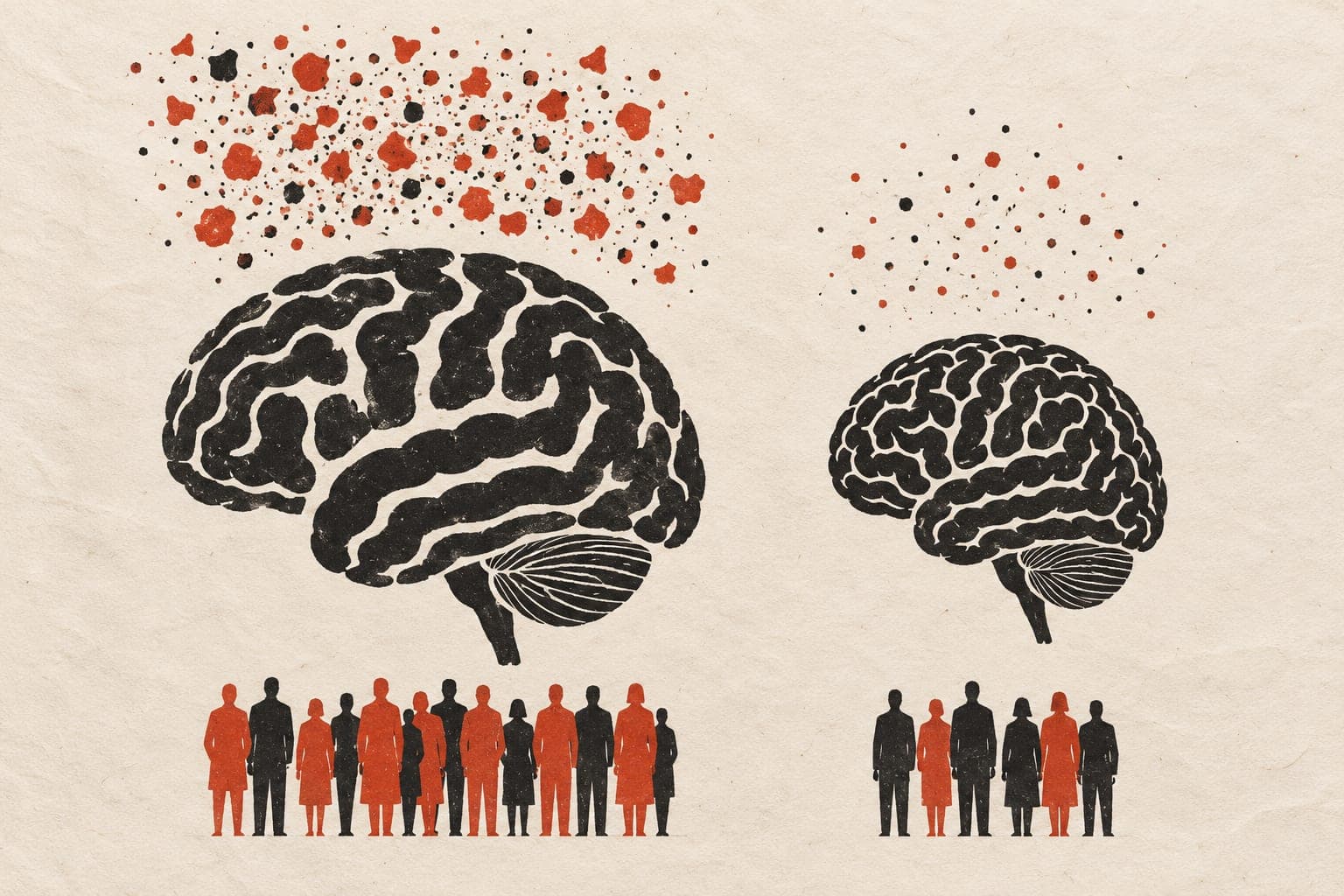
OBJECTIVES: Understanding the joint relationship between air pollution and other risk factors on the risk of Alzheimer's disease and related dementias (ADRD) is important for determining priorities for interventions. This study aimed to estimate the joint effects of air pollution, mental health symptoms, and overall physical health condition on ADRD risk in a U.S. sample of older adults and examine differences by sex. METHODS: Analyses include 9,186 Medicare beneficiaries enrolled in the National Health and Aging Trends Study (2011-2018). We used quantile g-computation Cox proportional hazard models to examine the joint effects of air pollution, anxiety, depression, and overall health on ADRD incidence, stratified by sex. RESULTS: We found significant associations between ADRD risk and particulate matter <2.5 µm in diameter and nitrogen dioxide in women. Among men, we found a significant association between ADRD risk and ozone (aHR per IQR increment = 1.11; 95% CI: 1.01, 1.22). The association between ADRD risk and feelings of depression, anxiety, and general health condition was significant in both women and men. Jointly, these factors were associated with more than 2 times greater ADRD incidence among both women (aHR = 2.03; 95% CI: 1.13, 3.66) and men (aHR = 2.57; 95% CI: 1.27, 5.22). DISCUSSION: The results suggest a synergistic relationship between air pollution and mental and physical health factors in ADRD risk. Results from this study support the need for establishing stronger measures to reduce air pollution and highlight the benefit of ADRD mitigation through improving mental and physical health.
The paper
Johns Hopkins University
The Journals of Gerontology, Series B, 30 Dec 2025