Lack of unconventional myosin VI is associated with brain enlargement and gliosis progressing with age
Abstract
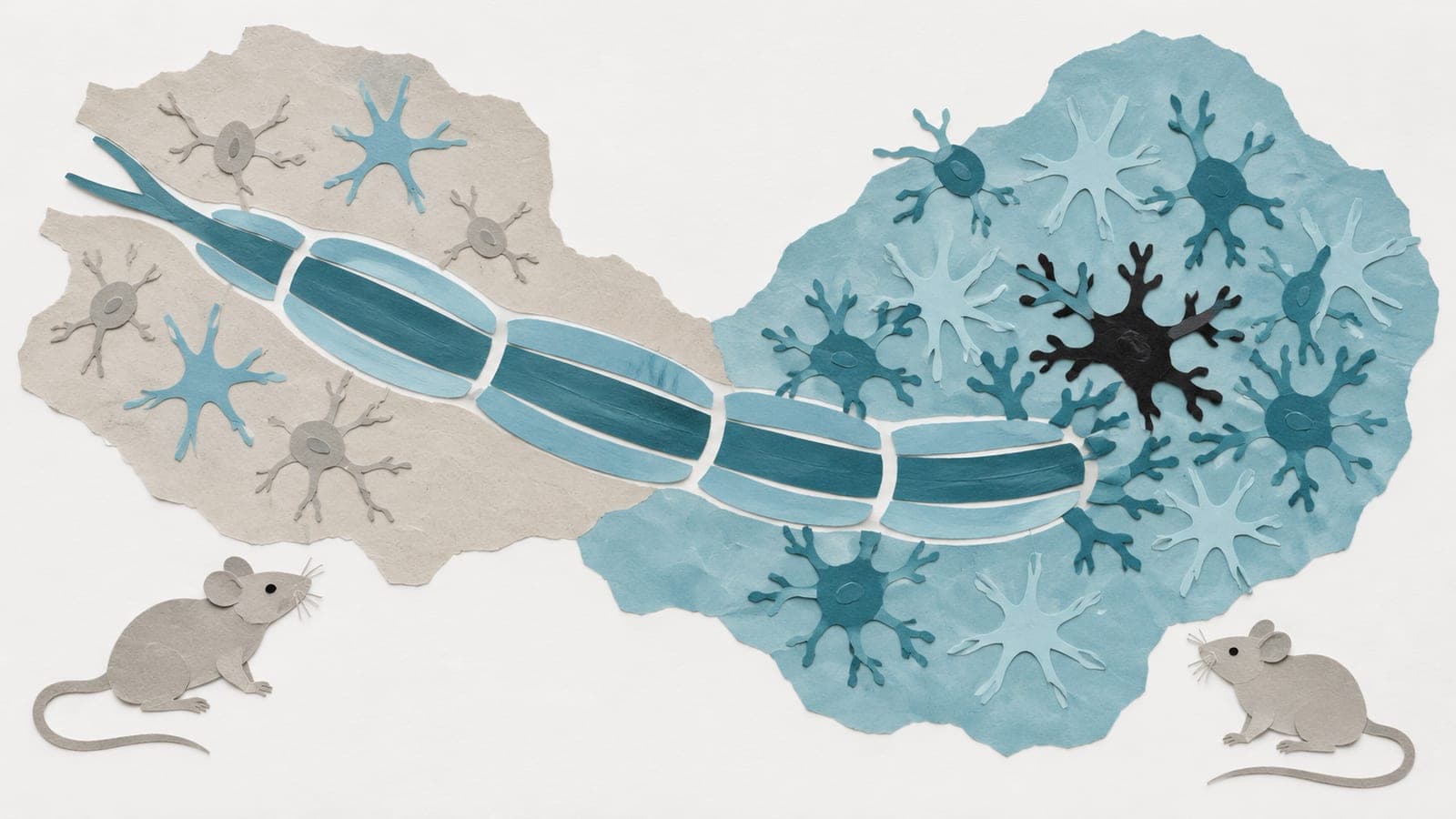
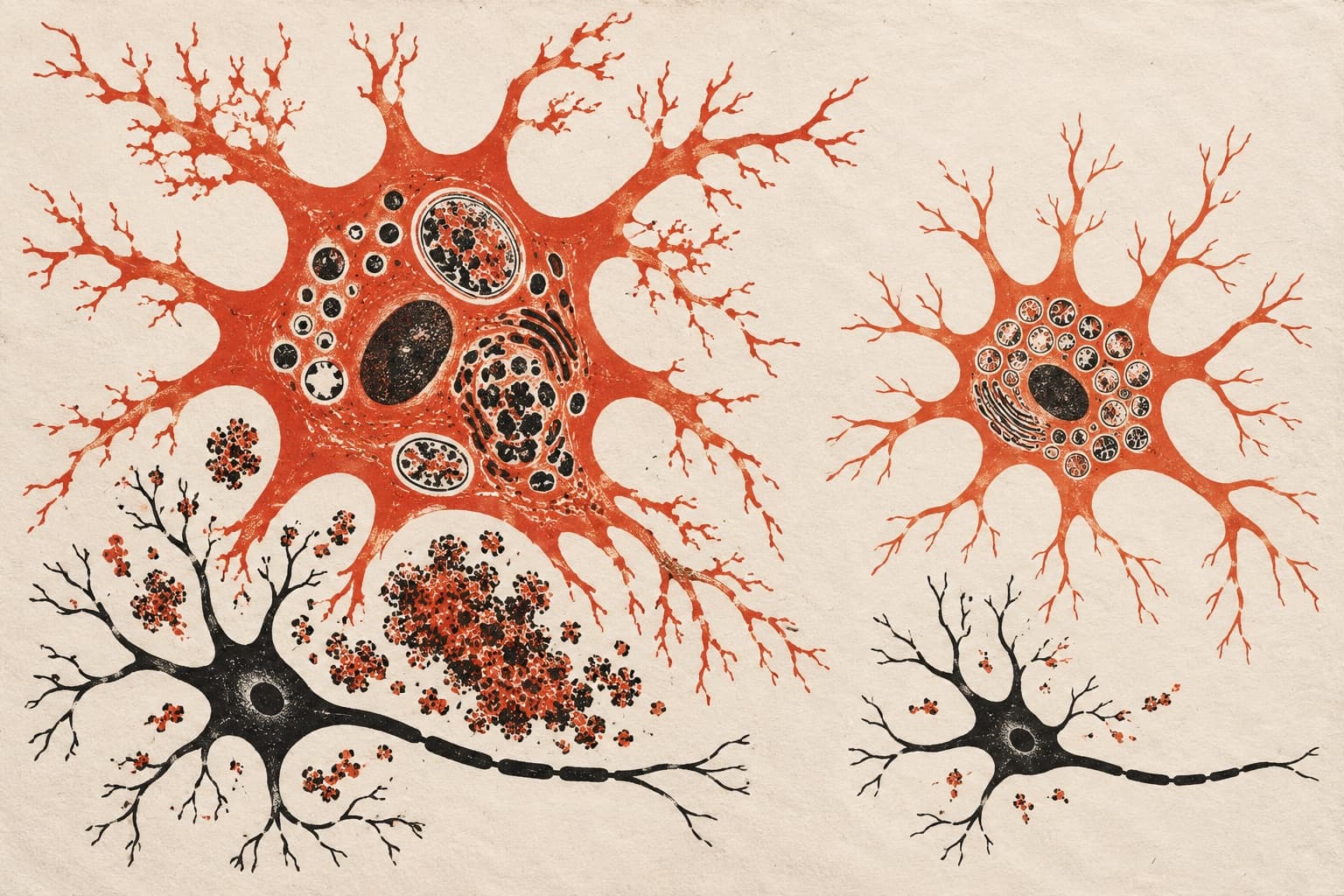
Myosin VI (MVI) is a unique unconventional myosin which, unlike other myosins, moves towards the minus end of actin filaments. It is involved in numerous cellular processes such as endocytosis and trafficking, cell migration and adhesion, and gene transcription. It is widely expressed in all tissues, including the brain. Its lack in adult murine brains is associated with gliosis and impairment of neuronal transmission. Here, we demonstrate that the MVI level in the total mouse brain and its regions (cerebral cortex, cerebellum, and hippocampus) increases with the animal's age (from newborn up to 12‑month‑old mice). Its lack leads to enlargement of the brain and its examined areas, and an increase of the level of GFAP, the marker of glia cells, in adult mice. The data indicate an involvement of MVI in the brain maturation and possibly in development of an age‑dependent gliosis.
The paper
Instytut Biologii Doświadczalnej im. Marcelego Nenckiego
Acta Neurobiologiae Experimentalis, 27 Dec 2025, Open access