Inhibition of c-Jun/Bak signaling alleviates endothelial cell senescence and inflammation caused by mitochondrial dysfunction in DMED
Abstract
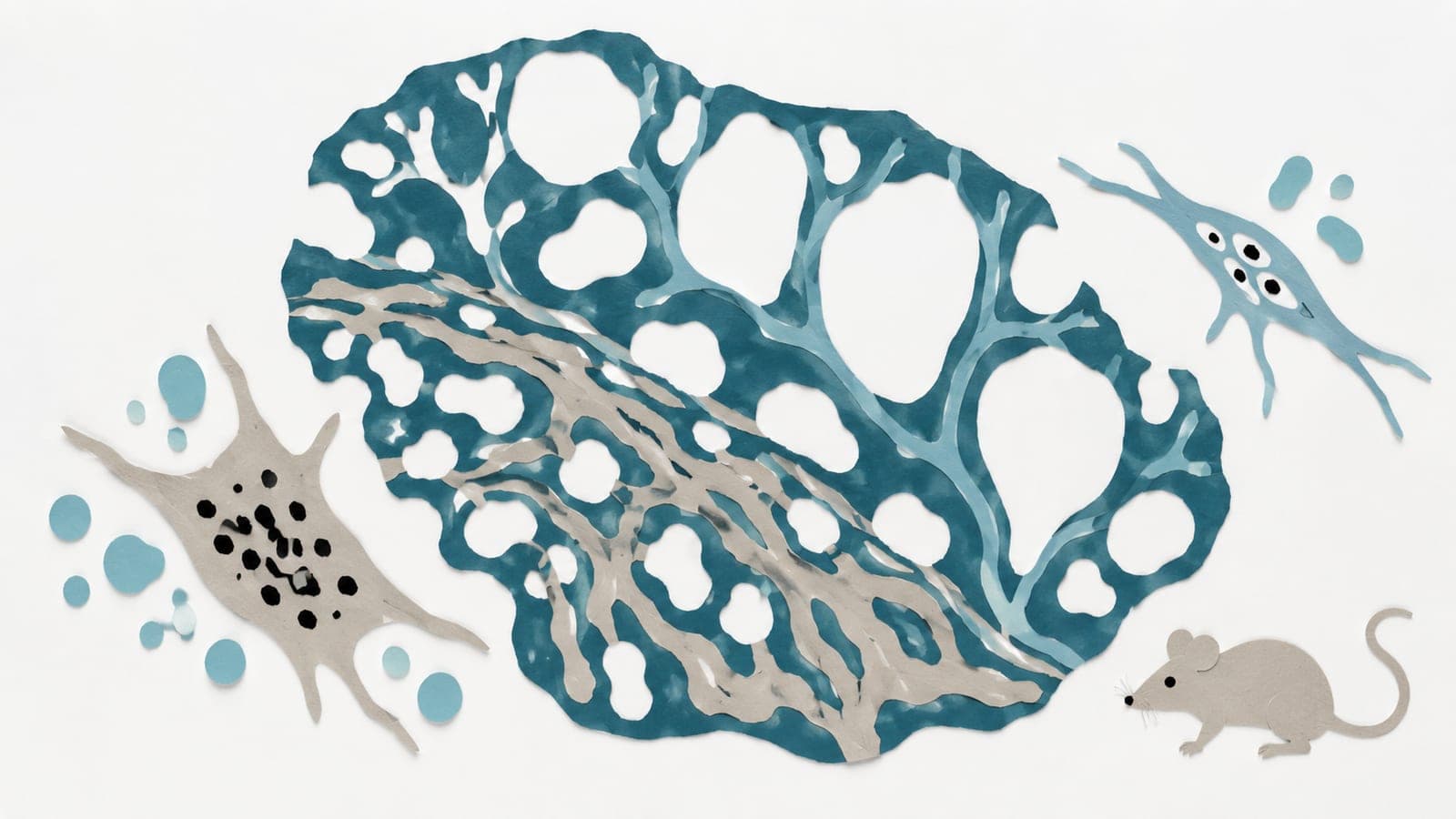
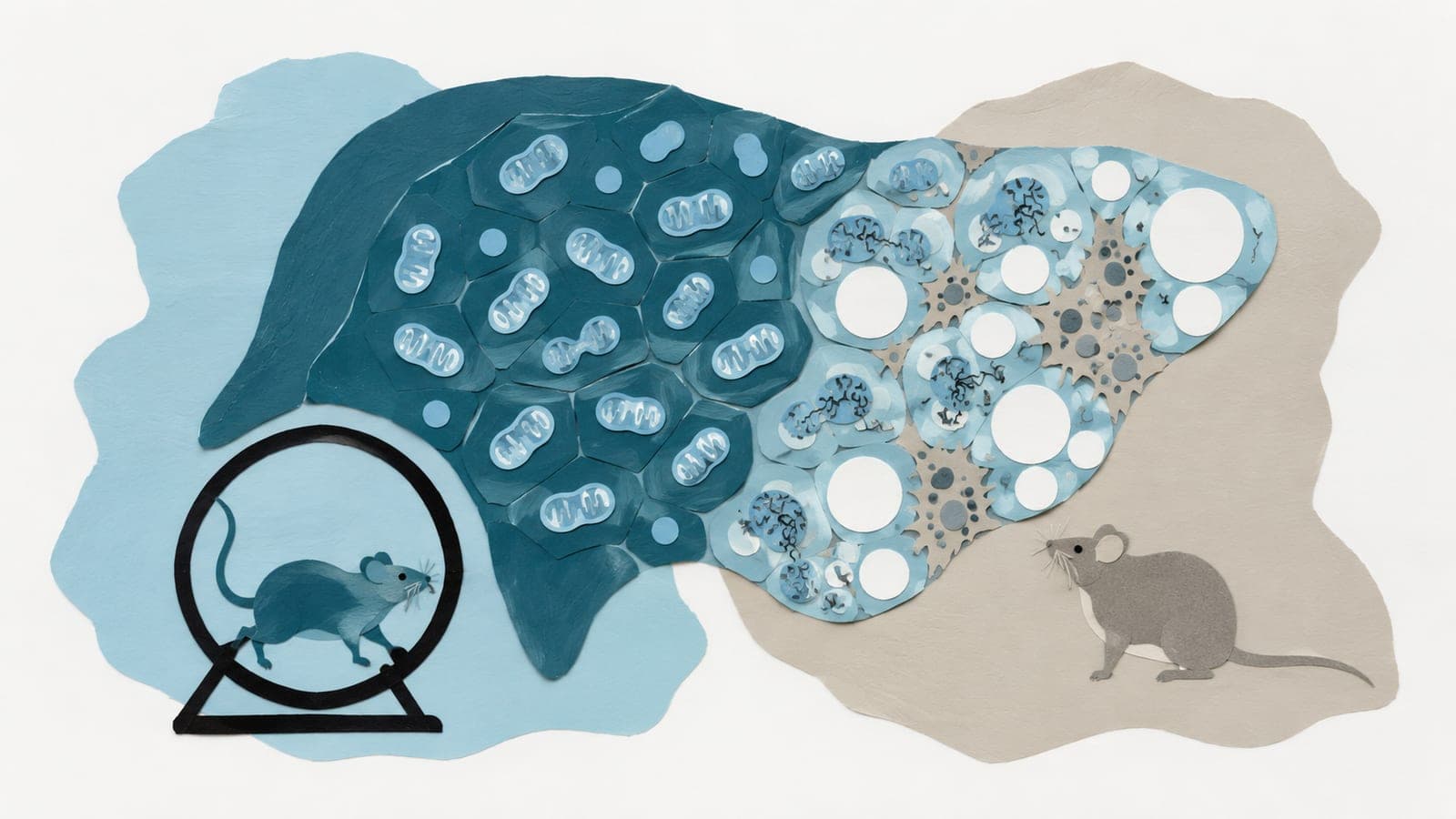
Endothelial dysfunction is a key contributor to diabetic complications, including erectile dysfunction (ED). Using single-cell RNA sequencing and transcriptomic analysis of diabetic ED (DMED), this study identifies the c-Jun/Bak pathway as a key driver of endothelial aging and inflammation. Hyperglucose-induced c-Jun/Bak activation initiates Bak-dependent mitochondrial dysfunction manifested as structural damage, excessive ROS production, and metabolic dysfunction. In DMED rats, penile corpus cavernosal endothelial cells exhibit elevated markers of senescence as well as overactivation of JNK and mitochondrial abnormalities. In vitro experiments showed that JNK inhibition protected mitochondrial function and attenuated aging and inflammation, whereas Bak activation reversed these benefits. While rodent models provide mechanistic insights, translational challenges require further investigation due to the complexity of human diabetes. These findings highlight mitochondrial regulation of c-Jun/Bak signaling as a therapeutic target for diabetic vascular complications, providing a novel approach for the treatment of DMED.
The paper
Zhejiang Chinese Medical University
Archives of Gerontology and Geriatrics, 16 Dec 2025