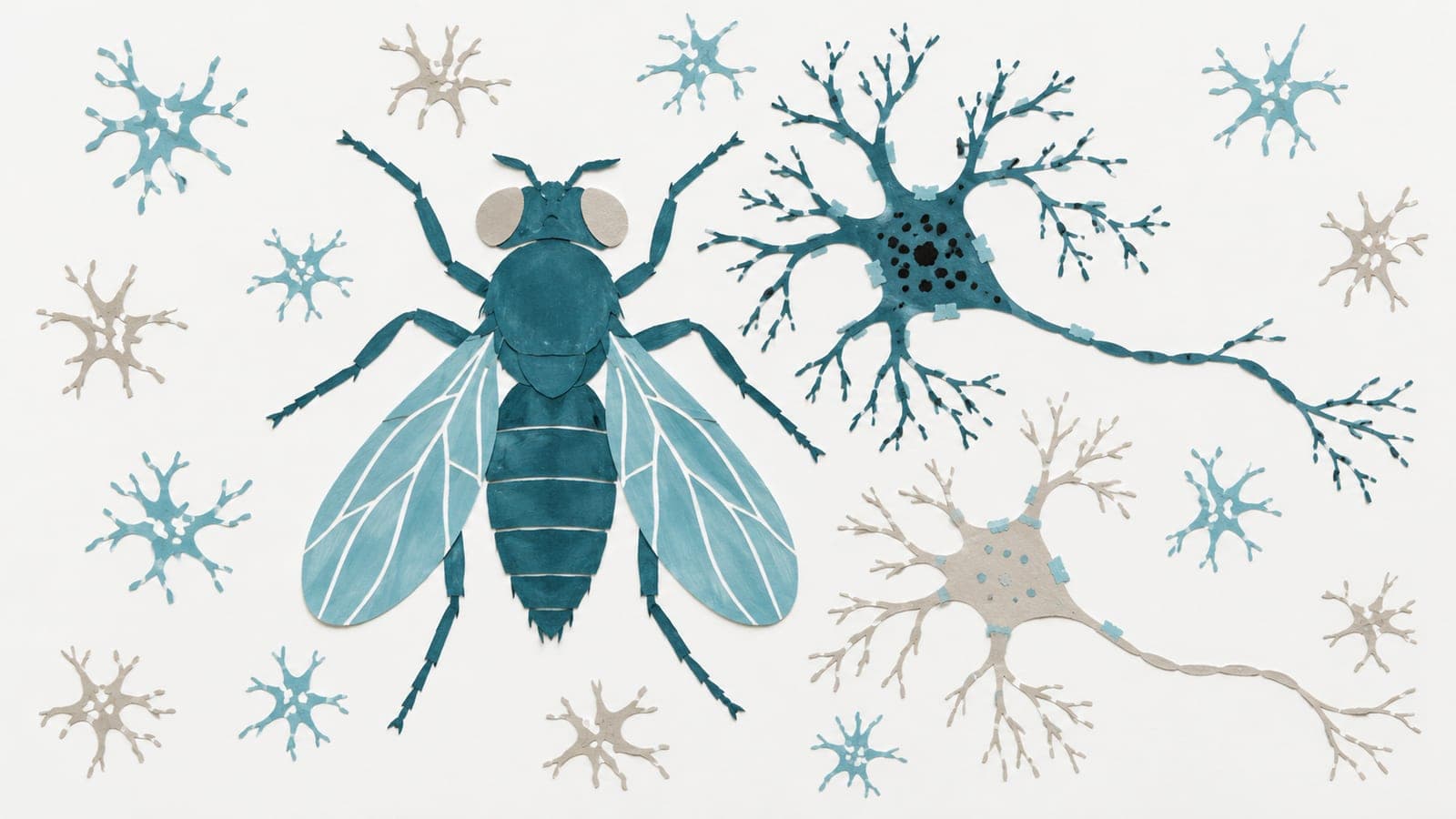
Aging Effects on Metabolic Sensor and Glycogen Metabolism in Old Male versus Female Rat Primary Hypothalamic Astrocyte Cultures
Abstract
BACKGROUND/OBJECTIVES: Compartmentalized glucose metabolism in the brain contributes to neuro-metabolic stability and shapes hypothalamic control of glucose homeostasis. Glucose transporter-2 (GLUT2) is a plasma membrane glucose sensor that exerts sex-specific control of hypothalamic astrocyte glucose and glycogen metabolism. Aging causes counterregulatory dysfunction. METHODS: Current research used Western blot and HPLC-electrospray ionization-mass spectrometry to investigate whether aging affects GLUT2-dependent hypothalamic astrocyte metabolic sensor and glycogen enzyme protein expression and glycogen mass according to sex. RESULTS: Data document GLUT2-dependent up-regulated glucokinase (GCK) protein in glucose-deprived old male and female astrocyte cultures, unlike GLUT2 inhibition of this protein in young astrocytes. Glucoprivation of old male and female astrocytes caused GLUT2-independent down-regulation of 5'-AMP-activated protein kinase (AMPK) protein, indicating loss of GLUT2 stimulation of this protein with age. This metabolic stress also caused GLUT2-dependent suppression of phospho-AMPK profiles in each sex, differing from GLUT2-mediated glucoprivic enhancement of activated AMPK in young male astrocytes and phospho-AMPK insensitivity to glucoprivation in young female cultures. GS and GP isoform proteins were refractory to glucoprivation of old male cultures, contrary to down-regulation of these proteins in young glucose-deprived male astrocytes. Aging elicited a shift from GLUT2 inhibition to stimulation of male astrocyte glycogen accumulation and caused gain of GLUT2 control of female astrocyte glycogen. CONCLUSIONS: Outcomes document sex-specific, aging-related alterations in GLUT2 control of hypothalamic astrocyte glucose and ATP monitoring and glycogen mass and metabolism. Results warrant future initiatives to assess how these adjustments in hypothalamic astrocyte function may affect neural operations that are shaped by astrocyte-neuron metabolic partnership.
The paper
University of Louisiana at Monroe
Neuroglia, 1 Nov 2025