The impact of cellular senescence on aging skeletal muscle
Abstract
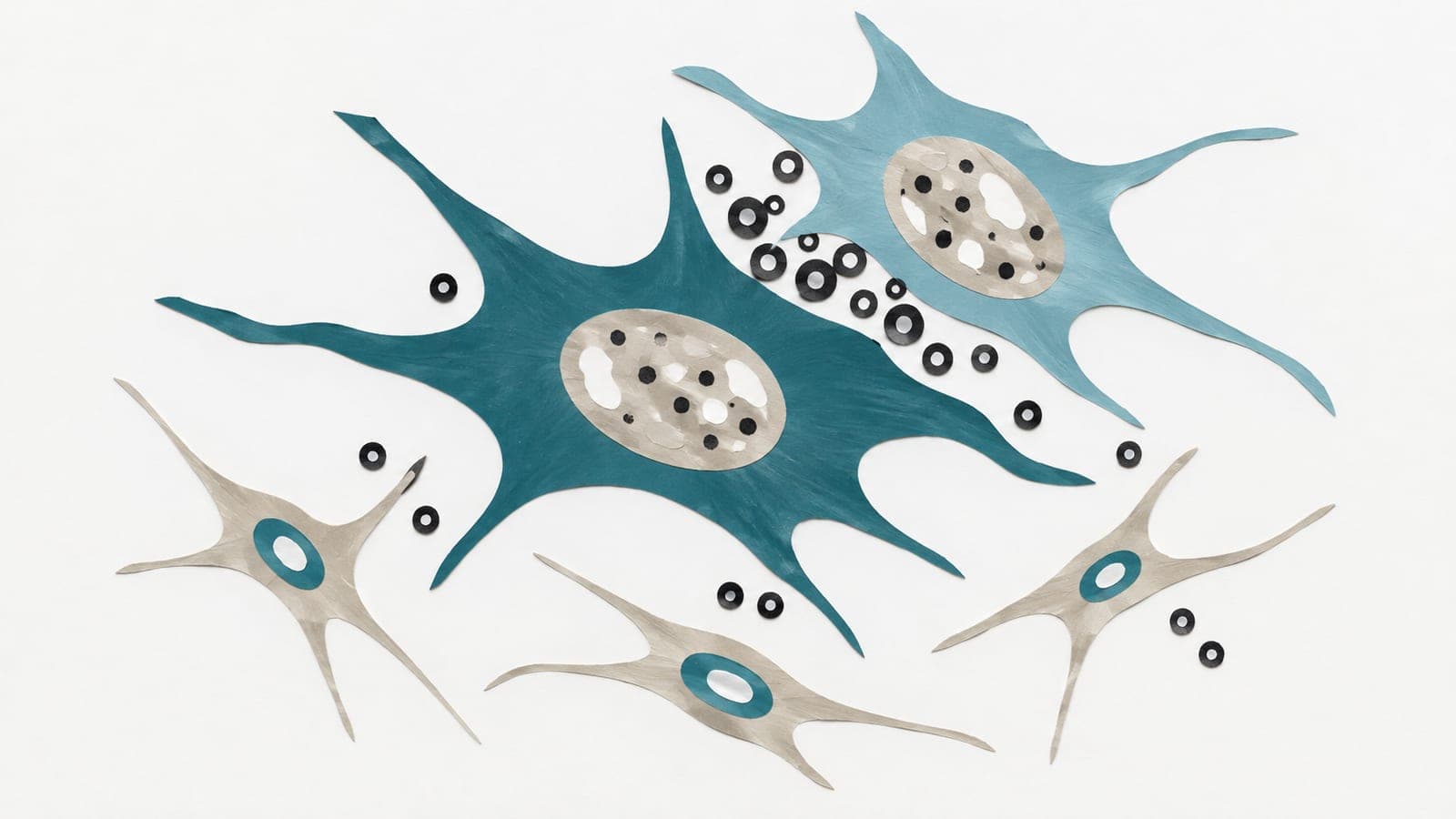
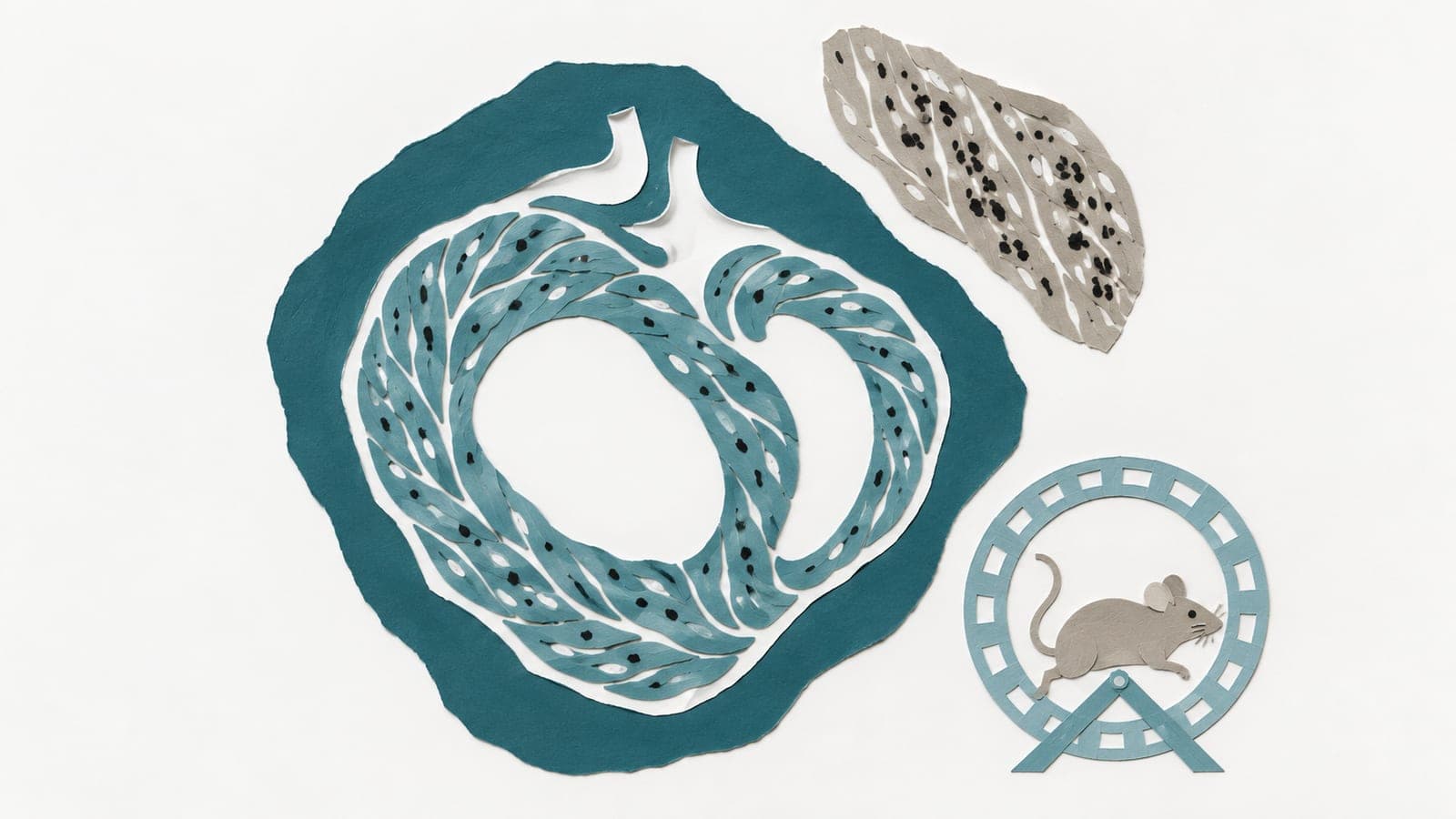
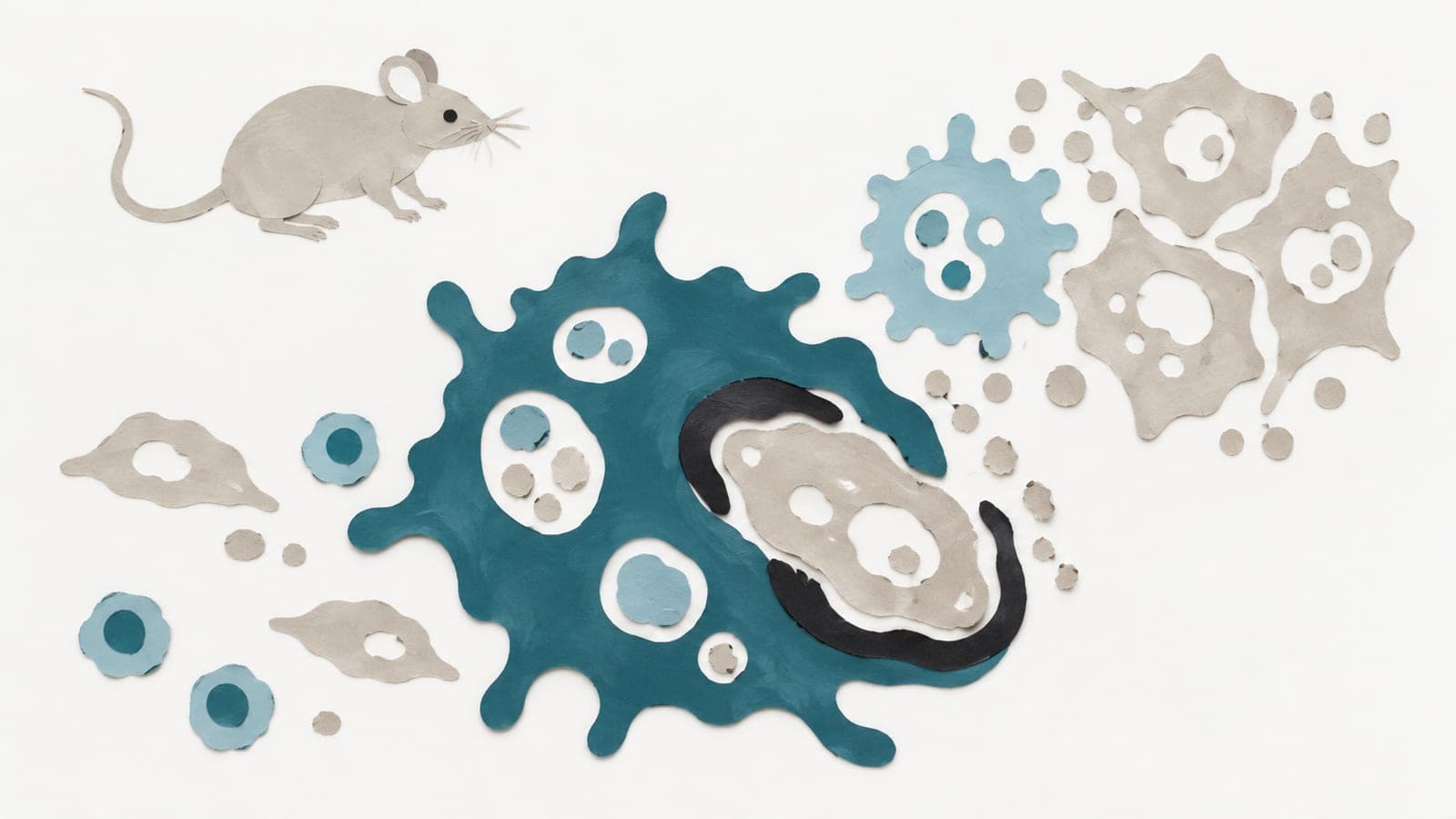
Skeletal muscle is a highly plastic tissue that relies on its resident muscle stem cell population, known as satellite cells (MuSC), for its timely repair and regeneration. During aging, there is a decline in muscle regenerative capacity that is largely attributed to the loss of MuSC content and function. These aberrations are thought to contribute to the aging-related decline in skeletal muscle mass and strength. Cellular senescence, which is characterized by a state of irreversible cell cycle arrest and the presence of a senescence-associated secretory phenotype (SASP), has emerged as a potential factor in the dysfunction of MuSCs with aging. Much effort has recently been made to examine the detrimental effects of senescence on skeletal muscle as well as identify therapeutic approaches to selectively eliminate these cells and improve the aging phenotype. Here, we discuss the current understanding of aging-related MuSC impairments and the underlying mechanisms that link cellular senescence to the decline in muscle regenerative capacity.
- Cellular senescence
- Cell cycle regulation
- Senescence-associated secretory phenotype (SASP)
- Stem cell maintenance
The paper
McMaster University
Frontiers in Cell and Developmental Biology, 28 Nov 2025, Open access