Liver-derived, circulating plasma fibronectin regulates trabecular bone mass and bone formation in adult male mice and its levels in sera associates with bone density in aging men
Mice, multicentre
Abstract
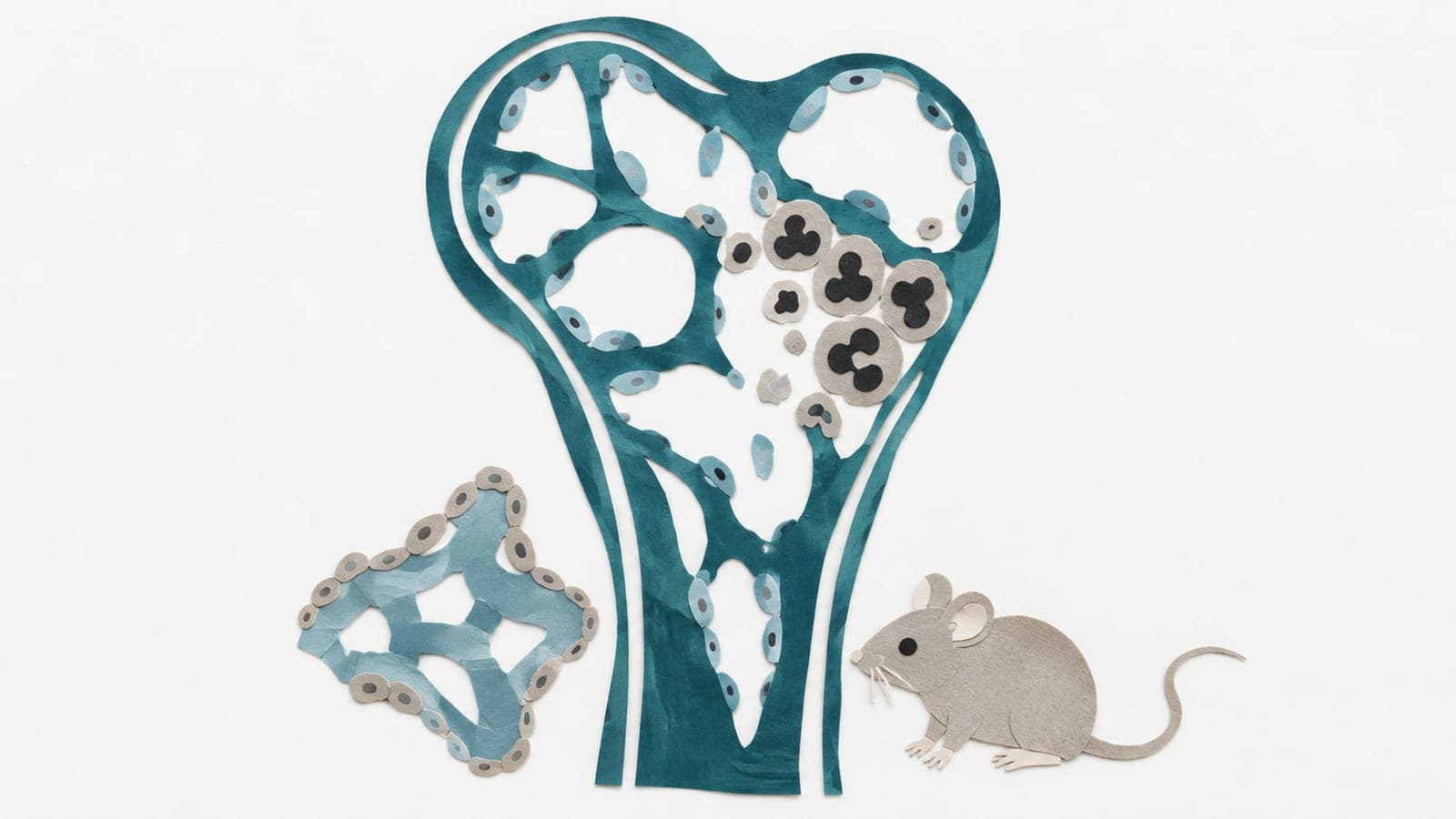
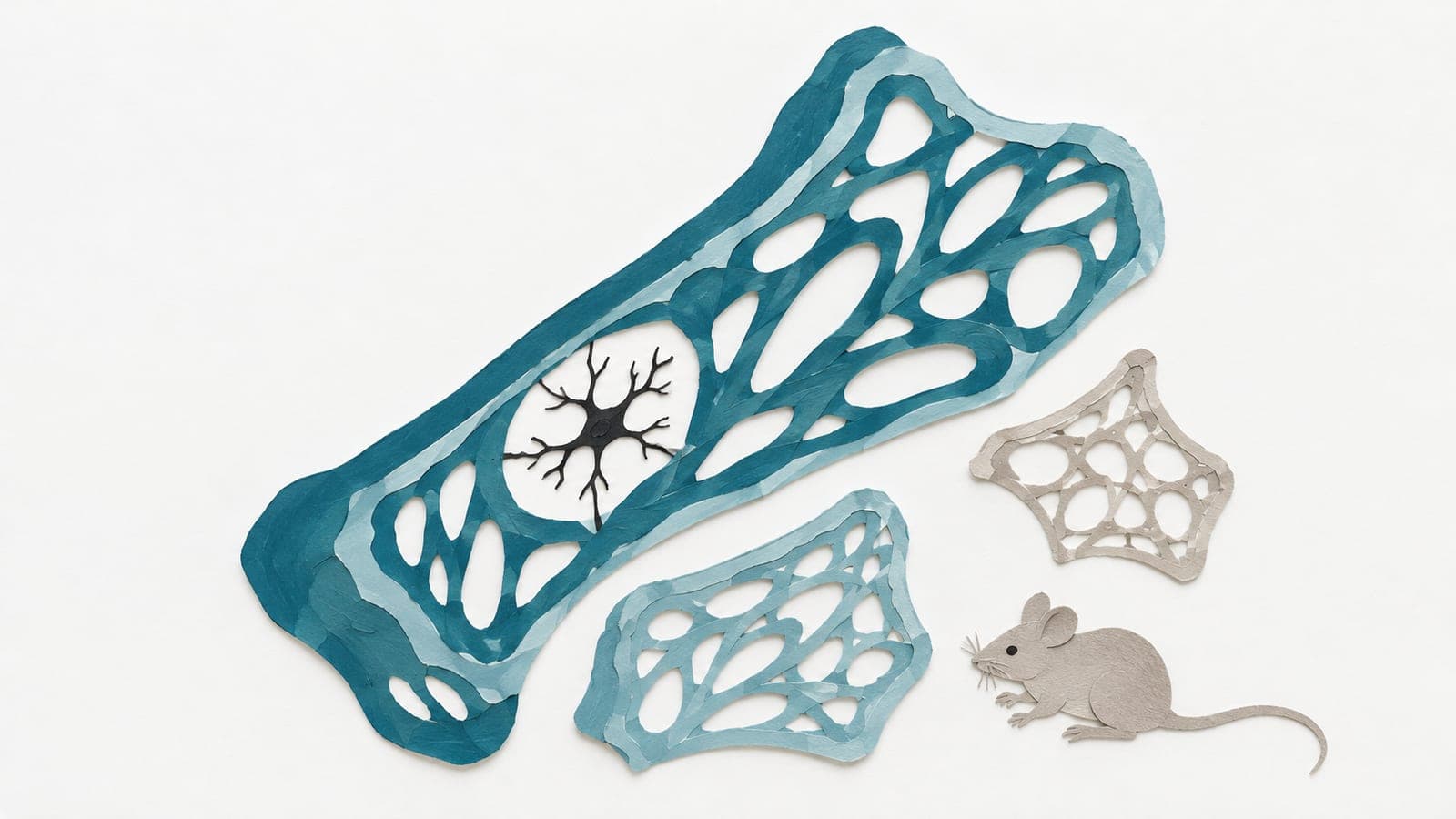
Plasma fibronectin is a liver-derived glycoprotein that circulates at relatively high concentration and accumulates in tissues to form ECM. The role of plasma fibronectin in osteoblastogenesis, bone formation and remodeling has been suggested by many in vitro studies, but in vivo mouse models have not confirmed its role in bone formation and maintenance of bone mass. In this study we have performed skeletal phenotyping of adult, 6-month-old male and female, hepatocyte-specific fibronectin knockout (Fn1-/-ALB) mice. We report that mice have a significant loss of bone mass as analyzed by micro-Computed Tomography (μCT) of the tibial and vertebral trabecular bone. Dual-energy X-ray absorptiometry of the vertebral bone showed a decrease in bone mineral density. Histomorphometric analysis of bone cell numbers in vertebral bone showed a significant decrease in osteoblasts and in mineral apposition rates; there was also a significant reduction of a serum marker of bone formation (PINP), demonstrating an important role for plasma fibronectin in osteoblastogenesis in adult mice. The phenotype was observed only in male mice. Osteoclastogenesis was not affected. Analysis of plasma fibronectin levels in human osteoporosis via Canadian Multicentre Osteoporosis Study (CaMos) biobank demonstrated that circulating plasma fibronectin levels were significantly higher in men versus women aged 50 and over. Male osteoporotic patients showed significantly lower plasma fibronectin levels which correlated with low bone mineral density values, and with reduced T-scores of the lumbar spine (L1-4, p=0.0088), and of the total hip (p=0.0066) strongly suggesting an association between pFN levels and fracture risk in men.
The paper
McGill University; Shriners Hospitals for Children - Canada
Matrix Biology, 7 Dec 2025