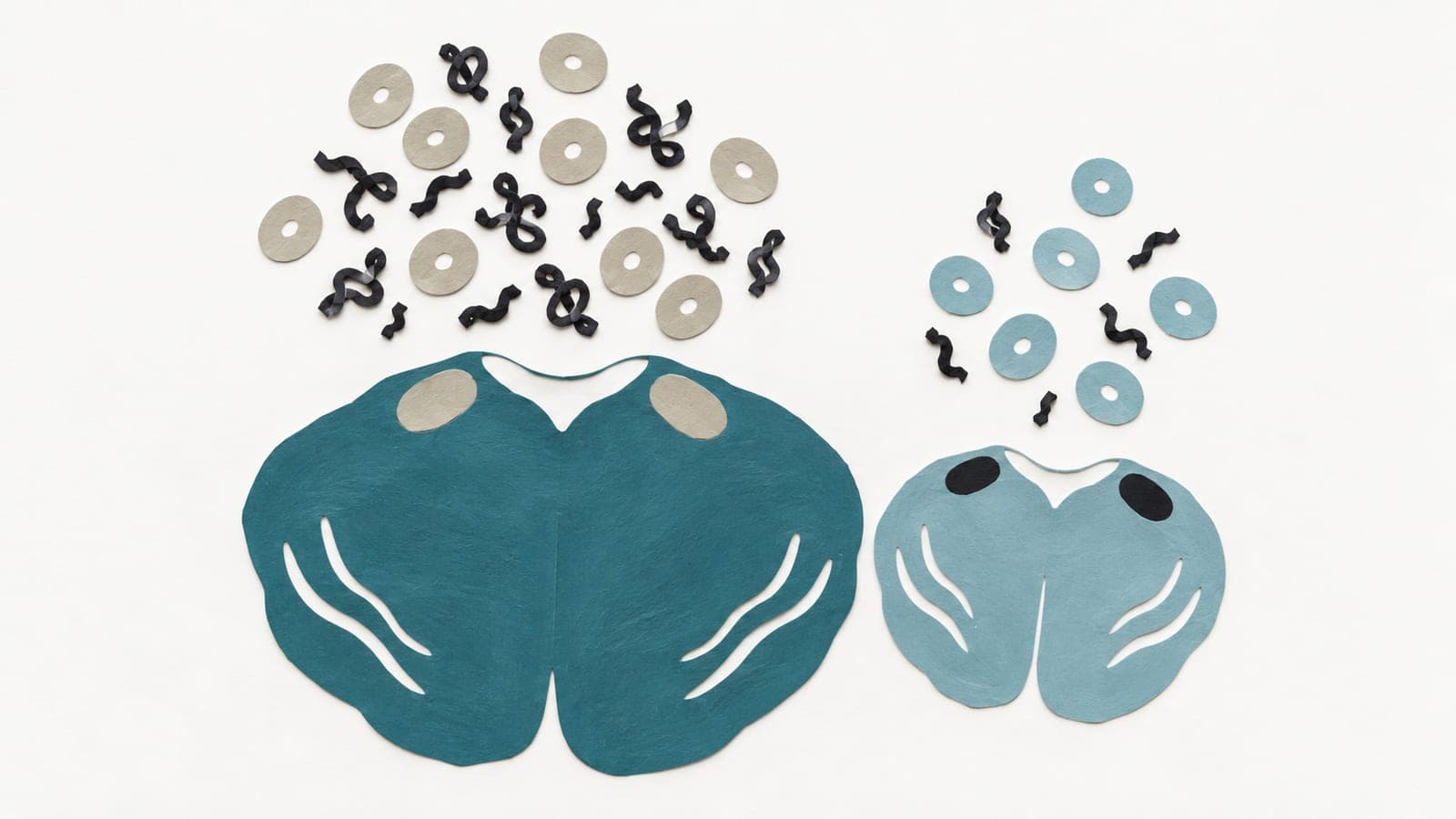
Machine learning approaches to reveal pinealocyte changes in ageing and Alzheimer's disease
Abstract
This study investigates age-related changes in human pinealocytes and their association with Alzheimer's disease (AD). We analyzed calcified deposits in the pineal gland (PG) using a novel approach combining X-ray nano-holotomography and convolutional neural network-based image processing. Our approach used a U-net architecture for PG morphological feature segmentation, with particular emphasis on micro-calcifications in the pinealocyte cytoplasm, identified as primary calcification sites. The ratio of cytoplasmic deposits to number of pinealocytes in tissue volume showed a weak negative age-related tendency, but was not associated with AD. Our results show that pineal calcification may serve as a biomarker for synthetic activity, which declines with age. In addition, pathology-specific factors associated with AD may modulate pineal calcification patterns, potentially confounding age-related trends. Our findings contribute to a broader understanding of age-related neuropathology by providing insight into pineal alterations at the cellular level.
- Deep learning
- Alzheimer's disease
- Pineal calcification
- Pinealocyte cytoplasmic micro-calcifications
- Ratio of cytoplasmic deposits to pinealocytes
- Humans
The paper
Institute of Nanotechnology - CNR; Istituto di Nanotecnologia
Computers in Biology and Medicine, 6 Dec 2025