Beta-nicotinamide mononucleotide attenuates creatine kinase release in Duchenne muscular dystrophy model rats
Abstract
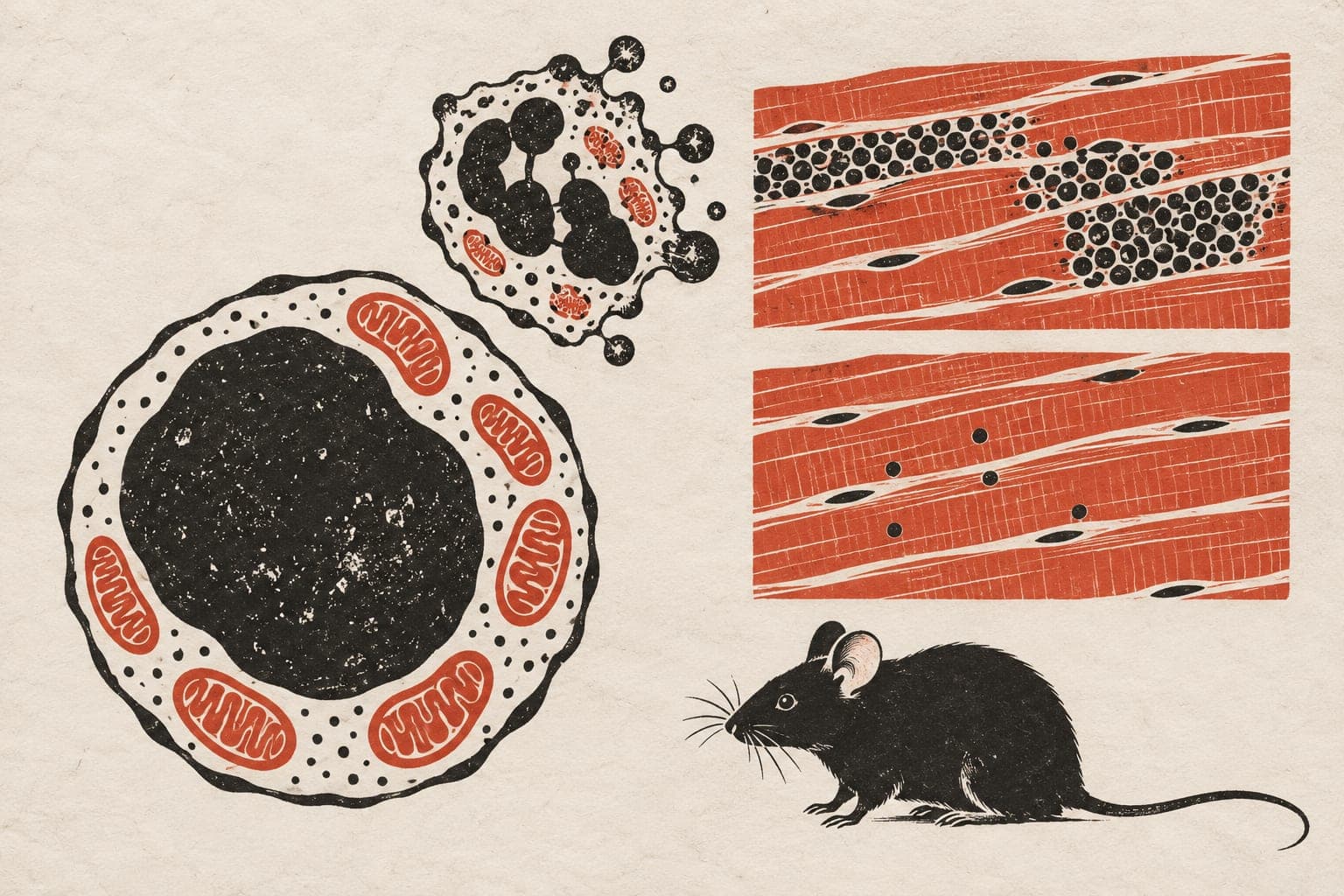
Beta-nicotinamide mononucleotide (beta-NMN) is a direct precursor of nicotinamide adenine dinucleotide (NAD⁺), a coenzyme essential for maintaining homeostasis in living organisms. NMN administration has attracted attention as a potential treatment for aging and age-related conditions, including diabetes, Alzheimer's disease, and chronic kidney disease. Duchenne muscular dystrophy (DMD) is a progressive, degenerative muscle disease caused by X-linked frameshift mutations in the Dmd gene. NAD⁺ levels in skeletal muscle decline in DMD pathology. In this study, we explored the therapeutic potential of NMN as an NAD⁺ booster for muscular dystrophy by administering NMN to DMD rats, which exhibit severe phenotypes comparable to those of human DMD patients, for 2 months. Although NMN administration did not improve muscle function in DMD rats, it did reduce the release of creatine kinase in their blood. RNA-seq analysis revealed that NMN administration could reverse DMD-related gene expression changes associated with skeletal muscle homeostasis. These results suggest that NMN can protect skeletal muscle against degeneration in DMD and may hold therapeutic potential for DMD patients.
The paper
Gifu University; Teijin (Japan)
The Journal of Veterinary Medical Science, 1 Dec 2025