The therapeutic potential of early exercise in Alzheimer's disease: Focus on the brain-spleen axis
Abstract
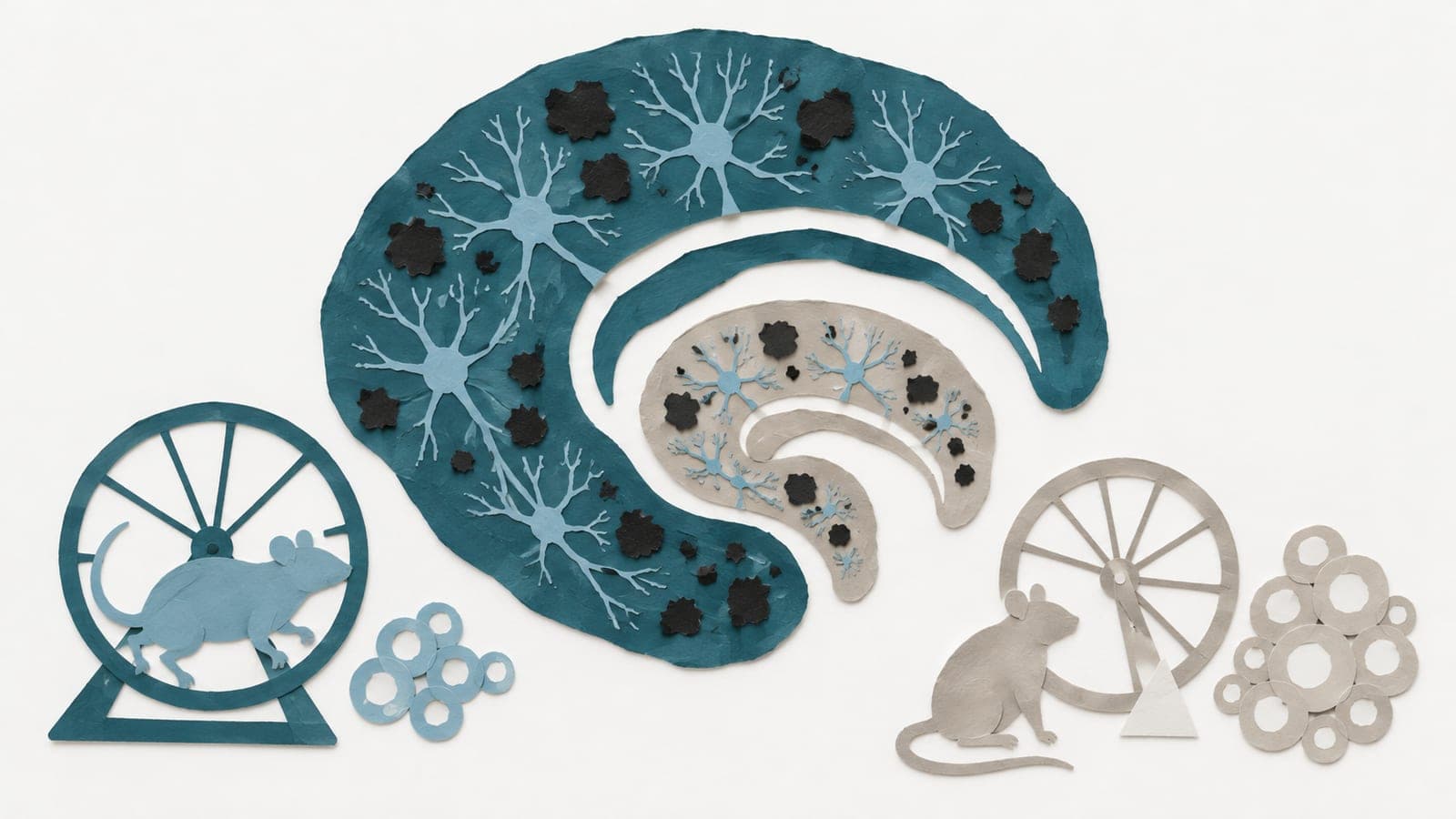
Alzheimer's disease (AD) is the predominant cause of cognitive dysfunction, with global prevalence increasing annually. AD progression is principally driven by the accumulation of amyloid-β (Aβ) and hyperphosphorylated microtubule-associated protein tau (p-Tau), which trigger a subsequent cascade of neuroinflammatory responses within the central nervous system (CNS). This pathological cascade is regulated by reciprocal CNS-peripheral immune crosstalk. The brain-spleen axis has emerged as a critical conduit that orchestrates splenic immune activity and CNS-peripheral immune crosstalk during AD progression. Notably, through the brain-spleen axis, early-life and preclinical exercise may restore splenic vagal-sympathetic homeostasis, re-establish immune equilibrium, and then mitigate neuroinflammation. This review advances a testable hypothesis that early exercise prevents or attenuates AD pathology through the brain-spleen axis, potentially accelerating the development of innovative therapeutic targets such as non-invasive brain stimulation.
The paper
Shaanxi Normal University
Ageing Research Reviews, 1 Dec 2025