Grape Seed Extract NSPCC1 Counteracts Mouse Skin Aging via Modulating MAPK and AMPK Pathways
By Zhang Z, Xue Z, Wang Y et al.
Abstract
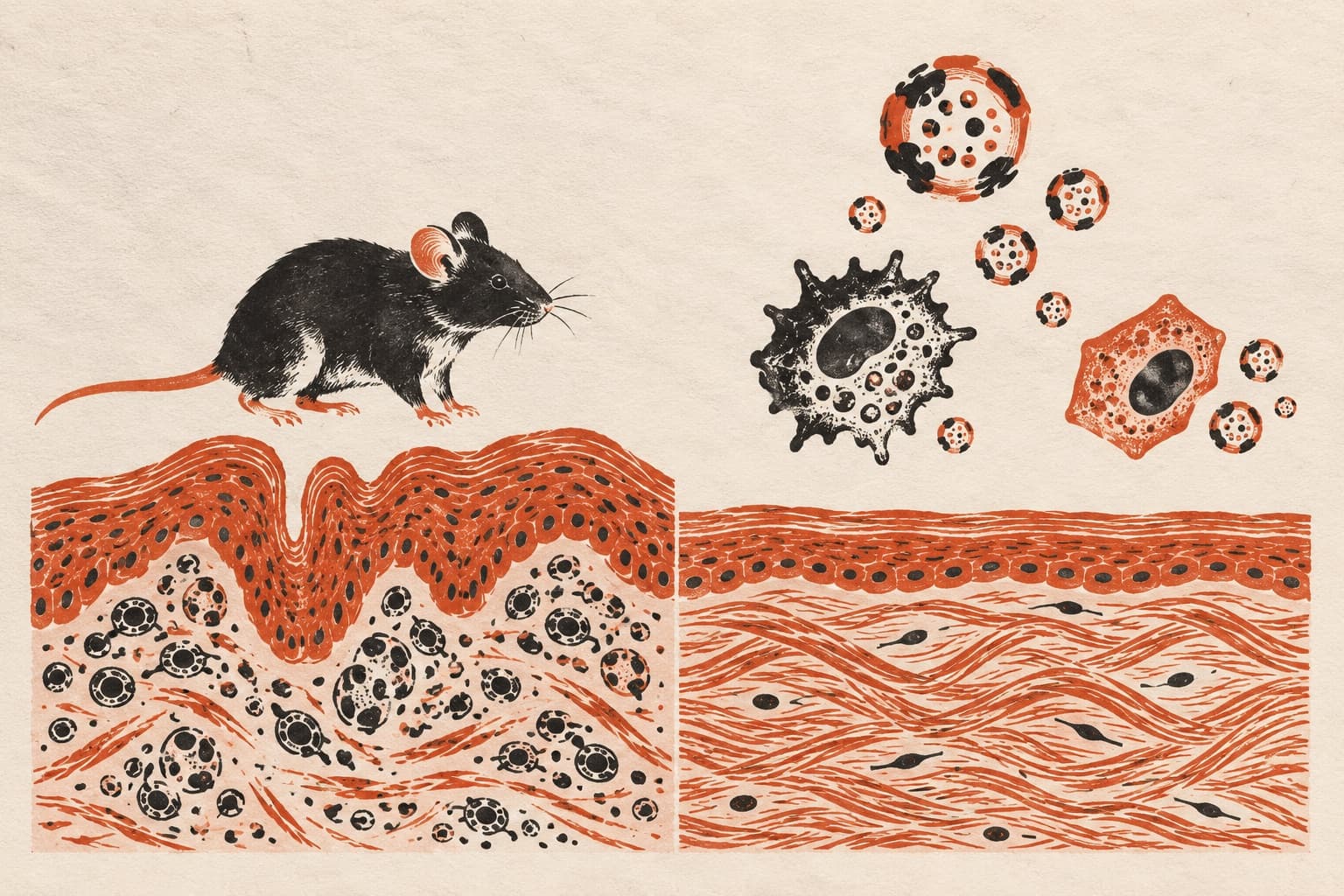
Skin aging is driven by both extrinsic factors, such as daily ultraviolet (UV) exposure, and intrinsic processes, including oxidative stress, inflammation, and glycation. Plant-derived medicinal agents and supplements hold promise as interventions against skin aging due to their anti-inflammatory and antioxidant properties. Grape seed extract (GSE), a polyphenol-rich natural product, has demonstrated skin health benefits and is commonly incorporated into various skincare formulations. However, its efficacy and underlying mechanisms, particularly in addressing both intrinsic and extrinsic aging factors, remain incompletely understood. Procyanidin C1 (PCC1), a B-type trimeric procyanidin found in GSE, possesses senolytic properties and has been shown to extend both lifespan and health span in mice. In this study, a newly processed PCC1-rich GSE, named NSPCC1, was evaluated against UV- and d-galactose (d-gal)-induced skin aging in a mouse model. NSPCC1 supplementation mitigated skin cell death, collagen degradation, and structural atrophy while partially restoring skin elasticity and hydration. It also enhanced antioxidant defenses in serum and skin tissues. RNA sequencing revealed that NSPCC1 modulates the MAPK and AMPK pathways, counteracting their dysregulation observed in aged skin. These findings highlight the potential of NSPCC1 to combat skin aging, providing an alternative strategy for skincare interventions targeting both extrinsic and intrinsic aging processes.
The paper
Zhang Z, Xue Z, Wang Y et al.
Journal of Food Science, 1 Dec 2025