Predicting healthspan and disease risks through biological age
Abstract
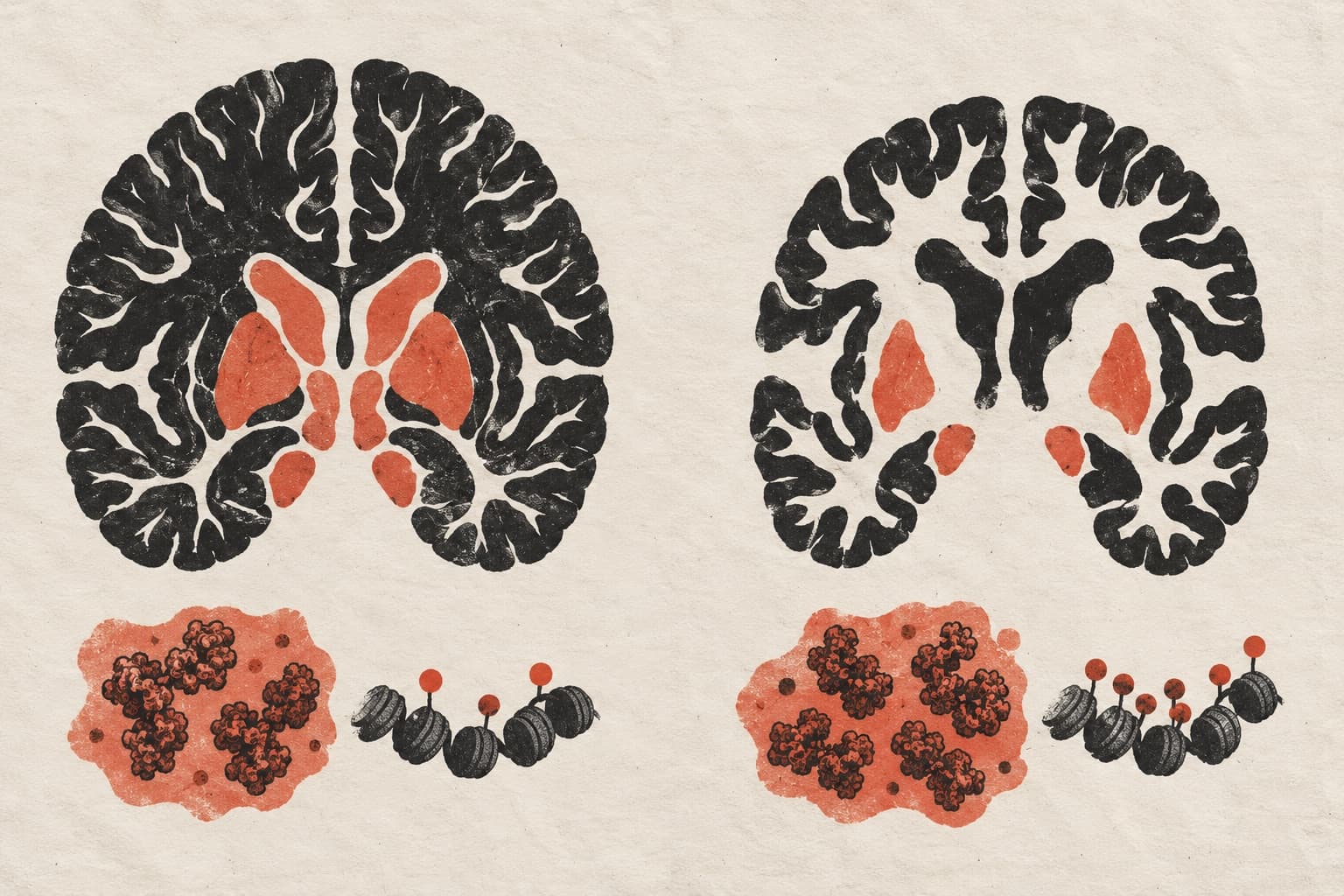
Aging is the gradual decline in physiological function essential for survival and reproduction. Unlike age-associated diseases, aging affects all individuals within a species, causing progressive impairments across multiple systems. Research shows that altering specific genes or dietary factors can extend lifespan, implicating molecular pathways in controlling senescence. Chronological age (CA) is a common measure of aging, but other hallmarks like telomere shortening better quantify functional decline. Identifying age-related hallmarks can help manipulate aging, spurring interest in aging clocks. These clocks predict biological age (BA) more precisely than CA, reflecting actual physiological health. As global life expectancy continues to rise, aging clocks hold promise for developing therapies to extend healthspan and improve life quality during aging.
The paper
Wenzhou Medical University; Macau University of Science and Technology
Trends in Molecular Medicine, 28 Nov 2025