Pre-Existing Th1 Immunity Outperforms Age in Predicting Antibody Responses to SARS-CoV-2 Inactivated Vaccines
Mice
Abstract
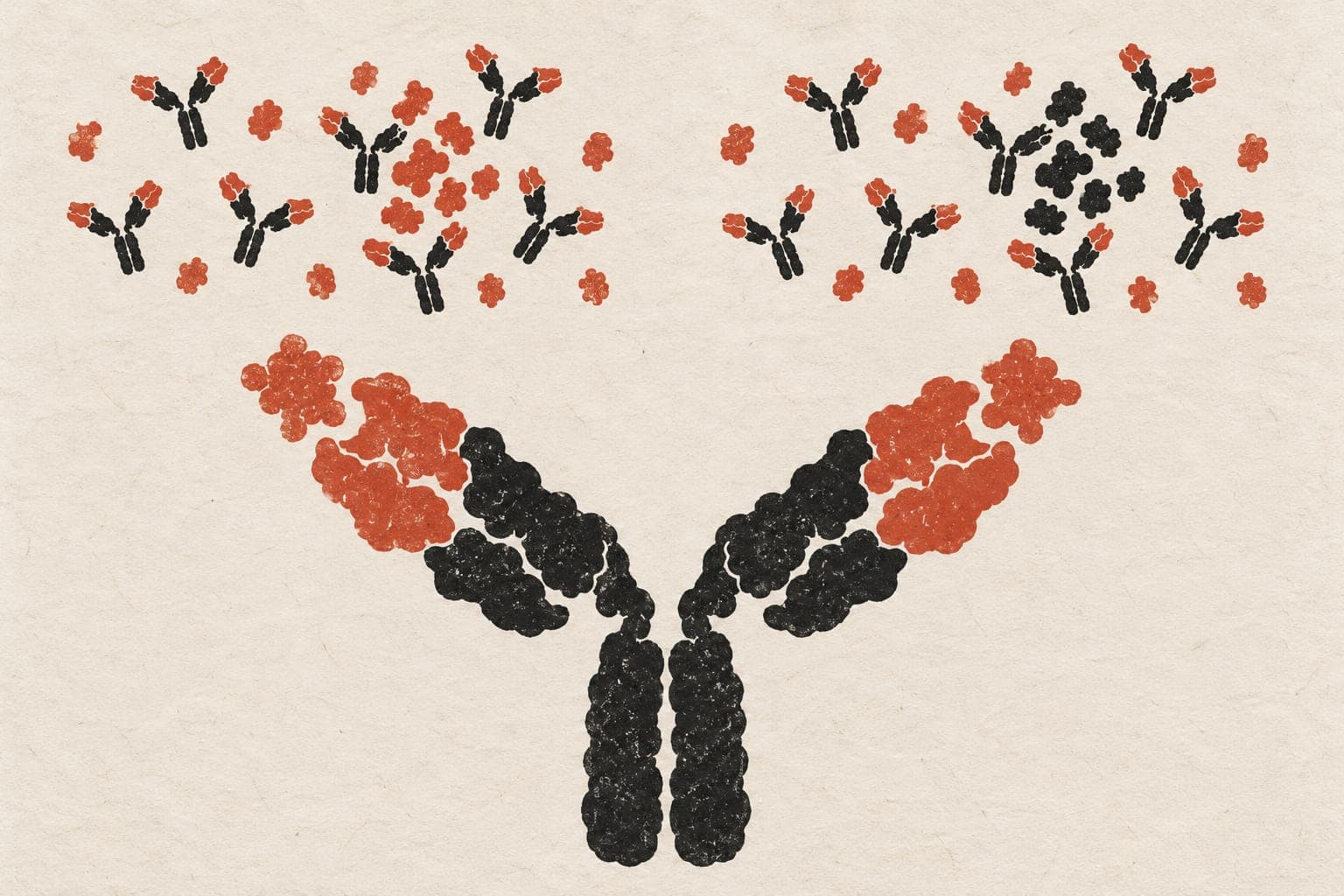
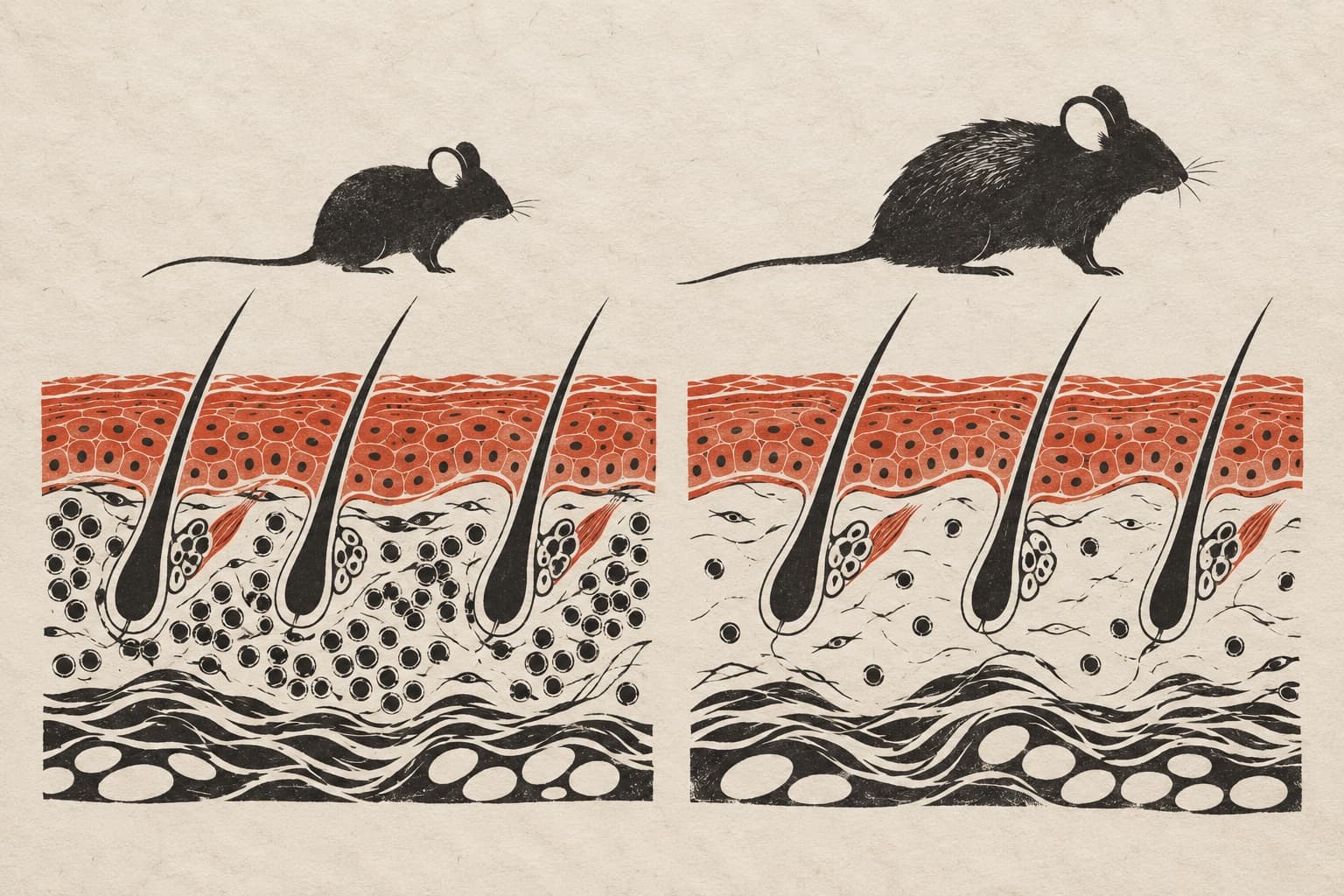
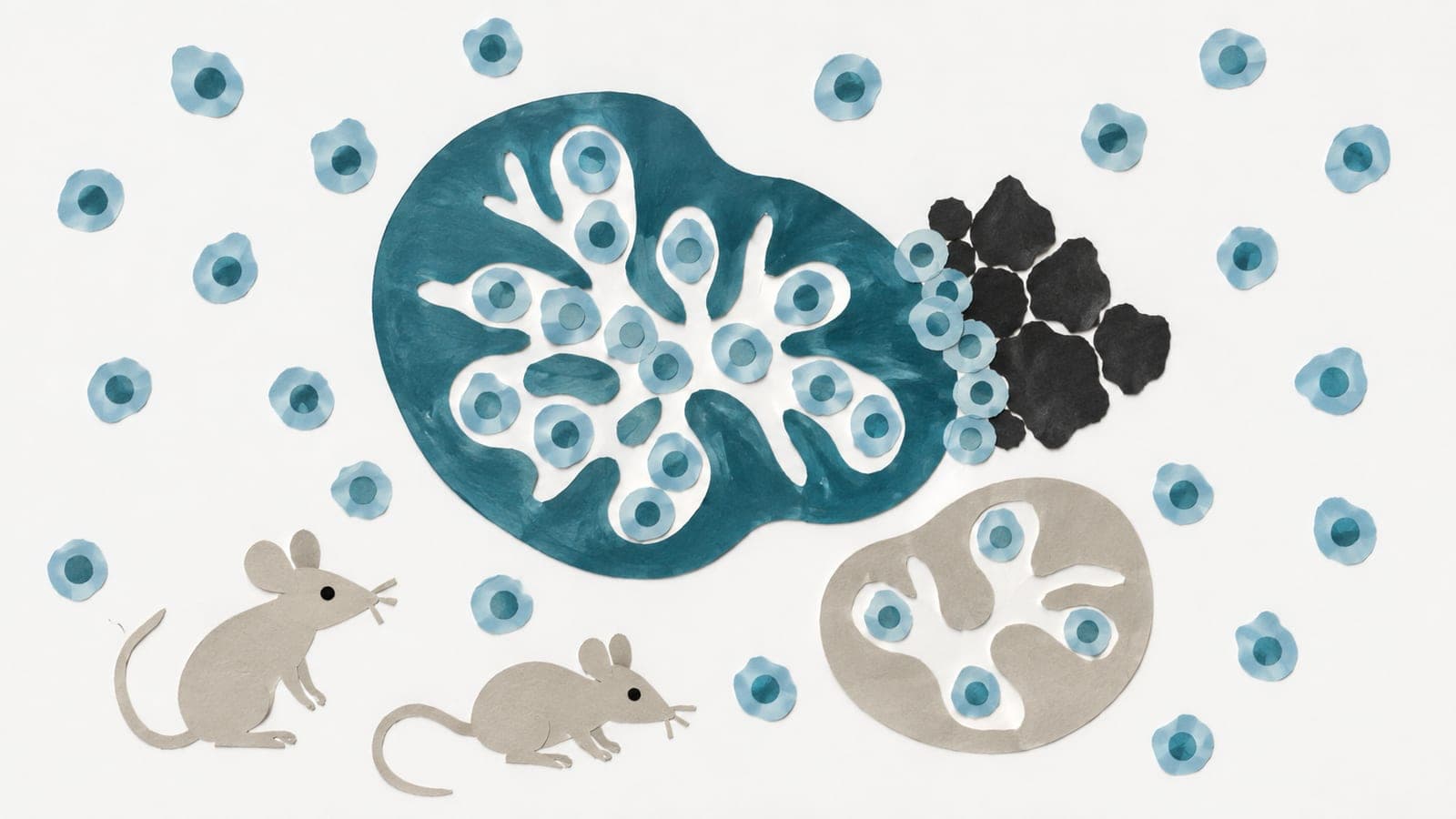
Understanding and enhancing vaccine-induced immune responses in the elderly population is critical, as they face elevated risks of severe COVID-19. This work systematically delineates age-associated alterations in innate and adaptive immunity and their impact on responses to SARS-CoV-2 inactivated vaccination. Compared to young mice, aged mice exhibited polarized bystander Th1 CD4⁺T cell populations (31.68 ± 5.62% versus 3.31 ± 0.48%) with distinct transcriptomic signatures, which augmented humoral immunity in aged mice. In human cohorts, post-vaccination antigen-specific antibody titers are comparable across different age groups. Stratified analysis based on antibody concentration reveals that high-responder individuals possess elevated pre-existing Th1 cells at baseline, which exhibit a modest positive correlation with post-vaccination antibody titers (r = 0.423, p = 0.001). Therefore, compared to age-based stratification, baseline Th1 cells serve as a superior predictive biomarker for antibody generation following SARS-CoV-2 inactivated vaccination. Collectively, these findings unveil novel mechanisms underlying Th1-mediated vaccine immunogenicity, offering pivotal insights for developing next-generation vaccines with optimized protective efficacy.
The paper
First Affiliated Hospital Zhejiang University
Advanced Science, 16 Nov 2025